- 17.12.2025
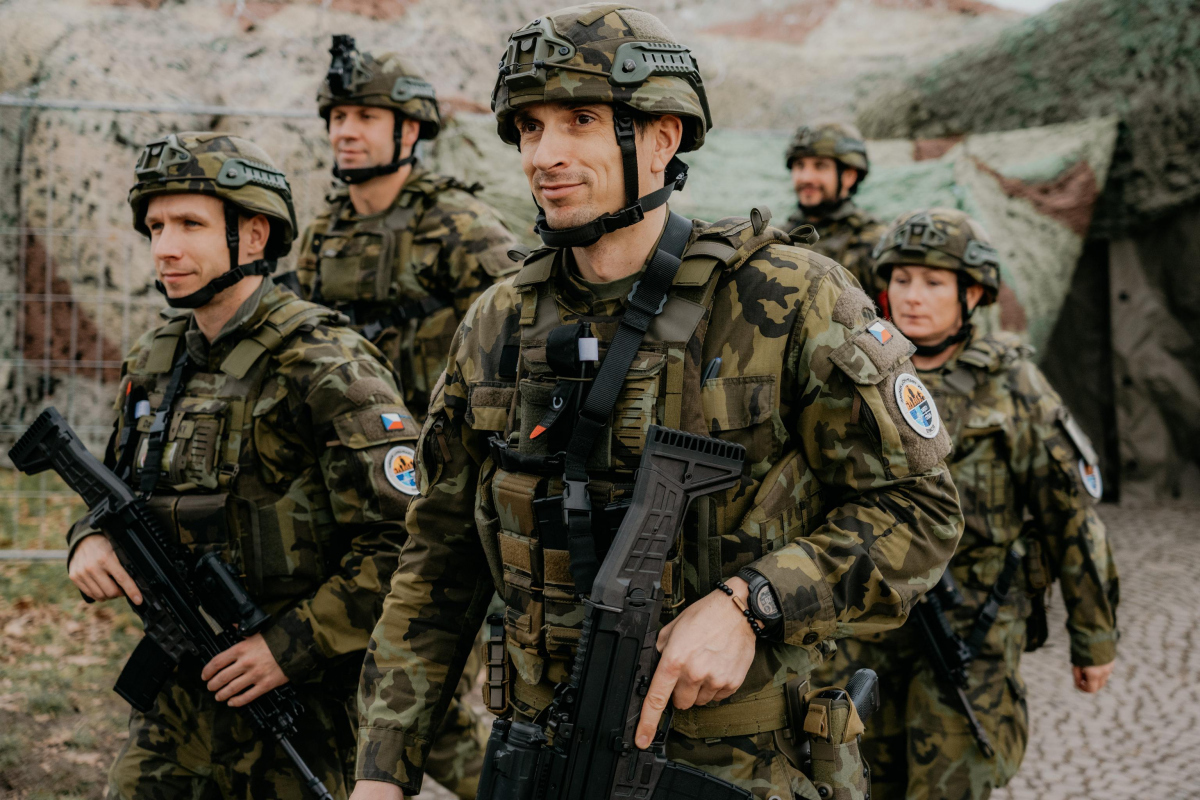
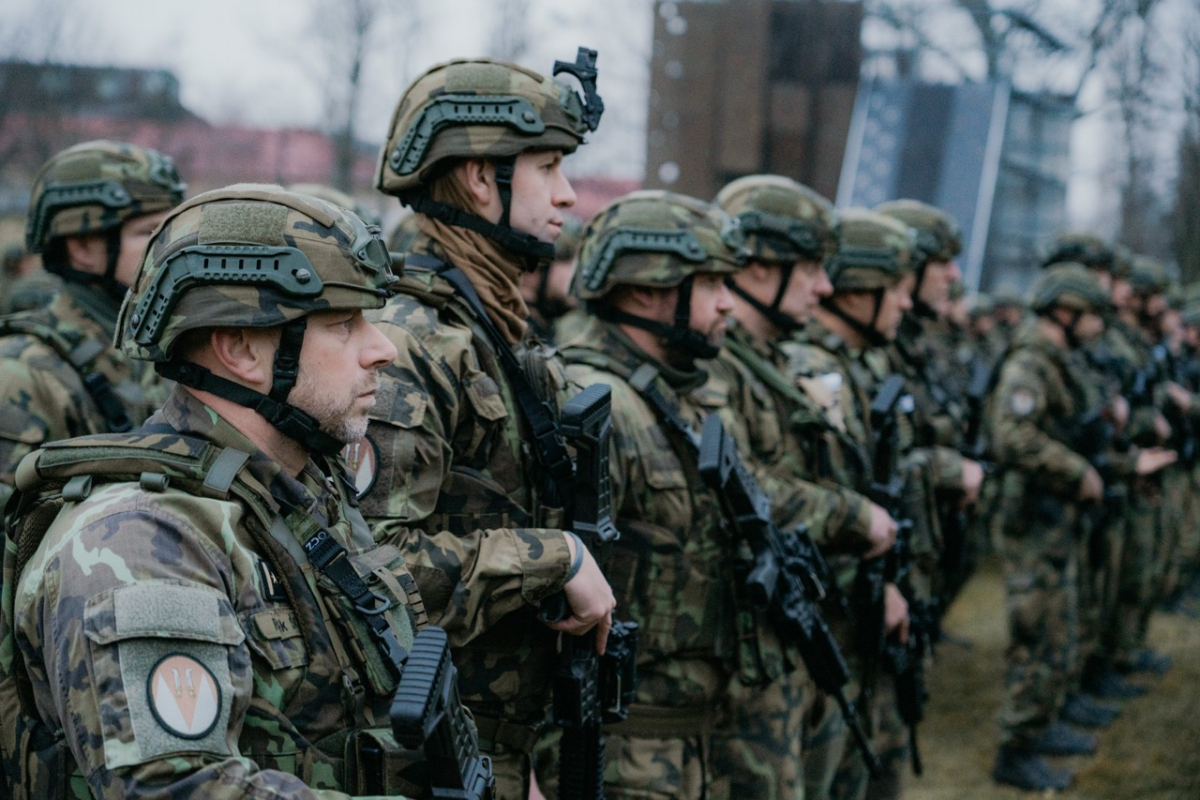
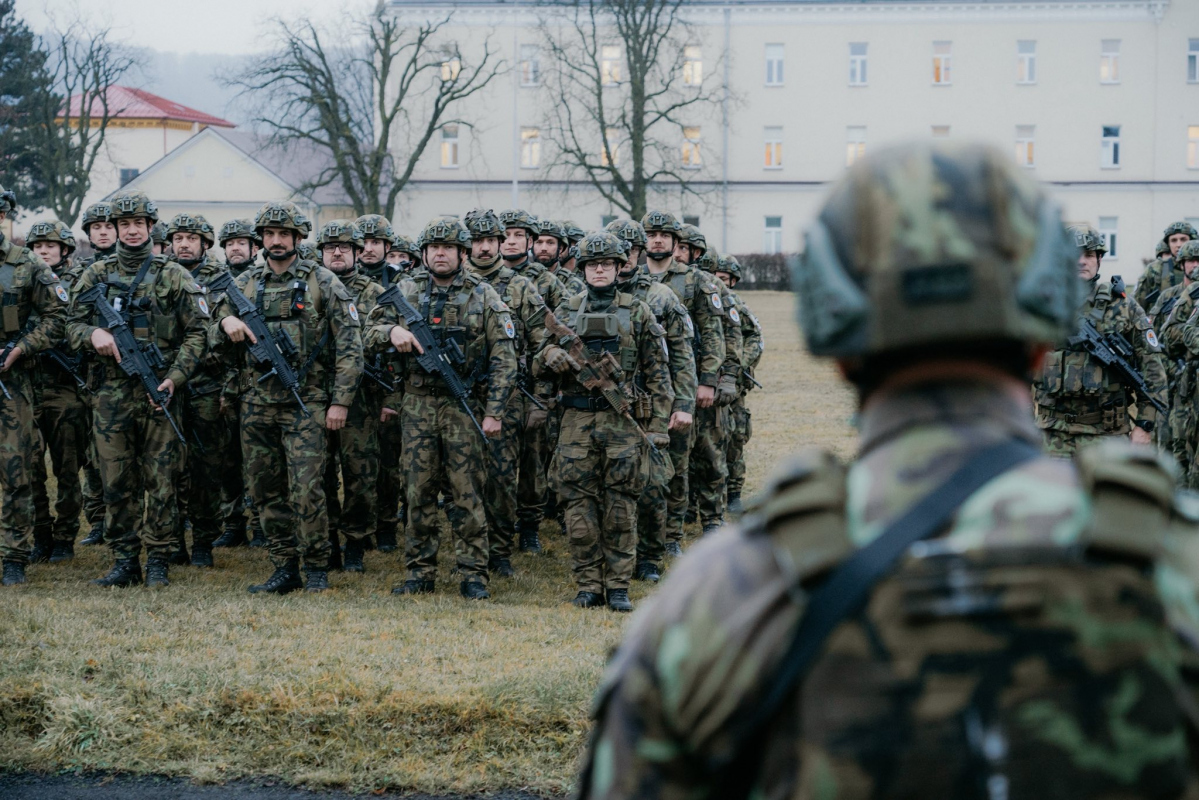
Hranice / Drahotuše / Elbląg (PL), December 17, 2025 – After a year of intensive preparation, the 7th Mechanized Brigade "Dukelská" completed one of the key milestones of its modern existence. From December 8 to 17, 2025, the certification command and staff exercise AMBER LIONHEART 25 took place, during which the headquarters of the 7th Brigade Task Force (7th bÚU) was tested according to the alliance methodology CREVAL (Combat Readiness Evaluation). The brigade thereby confirmed its operational readiness to operate within the structure of the Multinational Division Northeast (MND-NE) and to participate in NATO's collective defense in the event of an operation under Article 5 of the Washington Treaty. The exercise took place in the CPX (Command Post Exercise) format, i.e. as a command and staff exercise focused on command and control processes without the widespread deployment of all units in the field.
The exercise followed the national exercise CZECH LION 25 managed by the Land Forces Command of the Czech Republic, with which it forms a comprehensive training cycle from staff training to final certification. While Czech Lion verified the process functions of command within the national framework, Amber Lionheart simulated a real crisis situation with the dynamics of modern warfare, pressure on decision-making and the need to coordinate alliance elements in real time and under the command of the MND-NE.
Scenario according to Article 5. Combat situation, decision-making under pressure and command at the pace of a modern conflict
The main part of the training took place in Hranice and Drahotušy, where the staff worked in a continuous simulated operation mode. In parallel, a group of brigade officers also worked at the MND-NE headquarters in Elbląg, Poland, from where the coordination of forces within the common operational area took place. The scenario was designed to gradually escalate from defensive operations to counterattack, under conditions of hybrid and kinetic threats. The emphasis was placed on coordination between subordinate elements, speed of decision-making, the ability to adapt to changing situations, and maintaining a high level of interoperability with allies.
The specifics of Amber Lionheart 25 were that the 7th bÚU led the operation simultaneously from the main command post (HMV) and the combat support center (CPB). HMV controlled the brigade's maneuver, communication with the superior MND-NE and with neighboring brigades in the operational formation. At the same time, the CPB ensured the management of support and sustainability of the entire operation - monitoring the course of the battle, the status of units, logistics, medical support, movements and replenishment. This configuration corresponds to the way the group would be deployed in a real conflict and allowed the evaluators to test not only the ability to plan the operation, but also to maintain the combat capability of the entrusted forces in the long term.
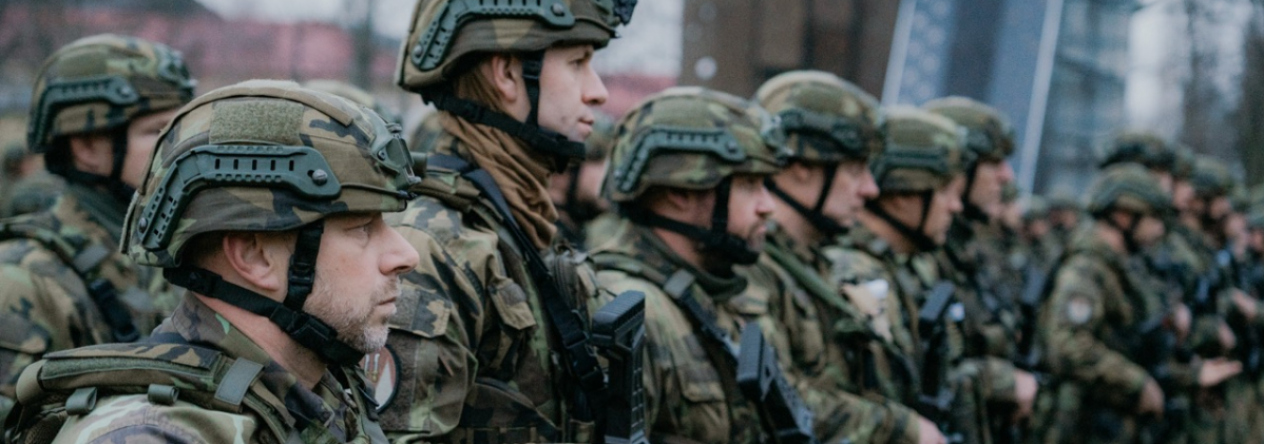
An important element of the exercise was also the internal interoperability of the entire 7th bÚU. The operation involved not only the 7th Mechanized Brigade as the core of the heavy brigade, but also assigned combat support and combat support elements across the Army of the Czech Republic – artillery, engineers, chemical (CBRN), reconnaissance, anti-aircraft, communications, logistics and medical elements, as well as forward air controllers (JTAC). All of these components had to be integrated into a unified plan, coordinated in time and space, and managed through the HMV and CPB as a single functional unit.
Modern simulation technologies made it possible to test command processes and set procedures, responses to crisis situations and the continuity of the decision-making process. NATO evaluators monitored the way the staff works with battlefield data, how it communicates with alliance partners and how it leads an operation in the time typical of a high-intensity conflict.
“In a modern conflict environment, technology and modern equipment are not the only factors that matter. What matters is a prepared staff, the ability to think, react and make decisions. Our soldiers have proven this,” said Colonel Radek Šoman, Chief of Staff of the 7th Infantry Division.
Personalities who monitored the brigade’s performance. Certification confirmed the importance of the exercise
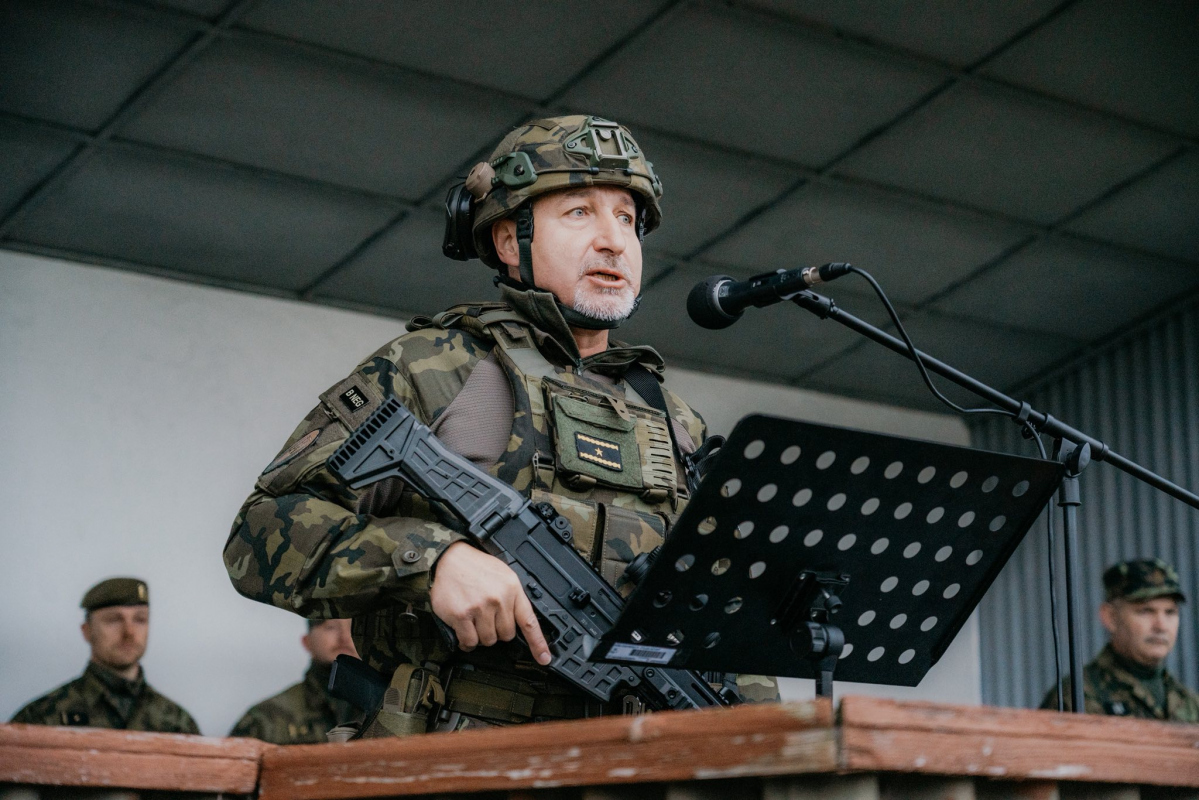
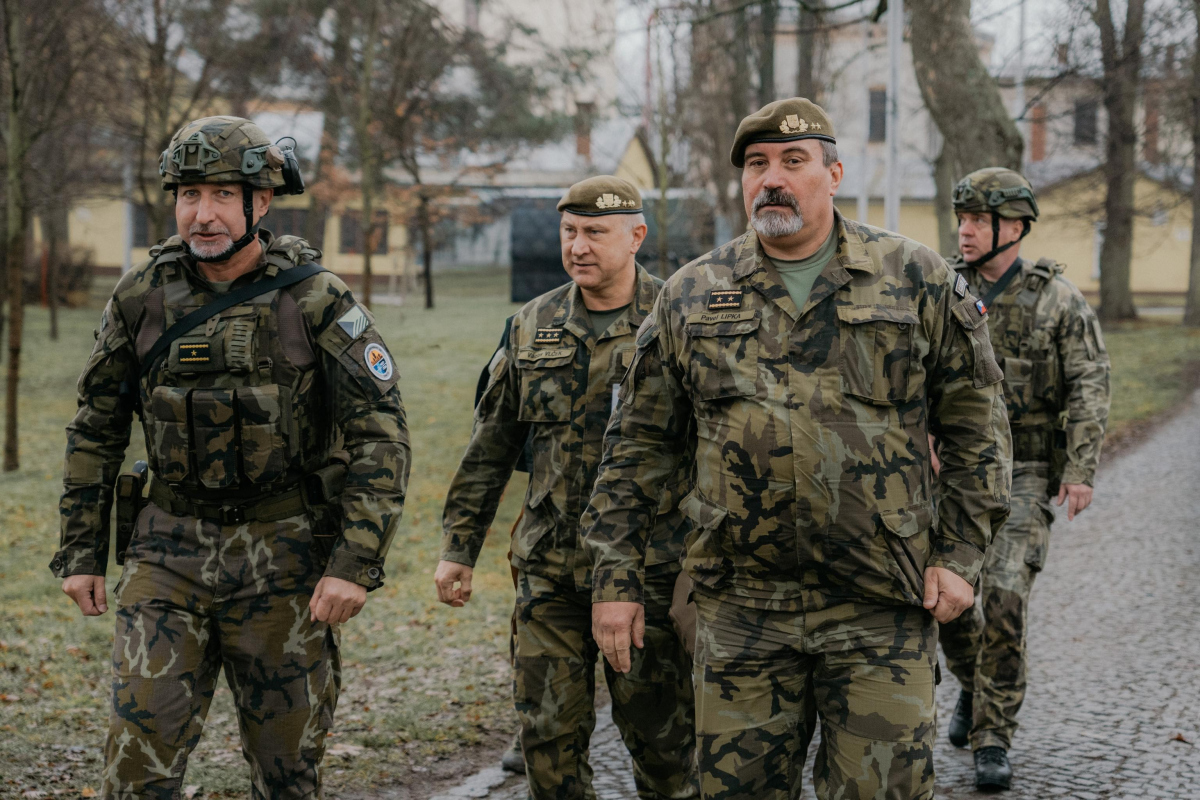
The importance of the exercise was also confirmed by the presence of representatives of the alliance and national command. The course of events was personally supervised by the Commander of the Operations Command, Lieutenant General Václav Vlček, the Commander of the Multinational Division Northeast, Major General Jarosław Gorowski, the Deputy Commander of the MND-NE, Brigadier General Jan Štěpánek, the Deputy Chief of the General Staff - Chief of Staff of the Czech Armed Forces, Major General Pavel Lipka, the Commander of the Czech Armed Forces, Major General Josef Trojánek, and the Deputy Commander of the Land Forces, Brigadier General Róbert Dziak.
The entire certification process was supervised by two mentors from the Multinational Division Northeast, Colonel František Batko (SVK) and Lieutenant Colonel Zoltán Patkai (HUN).
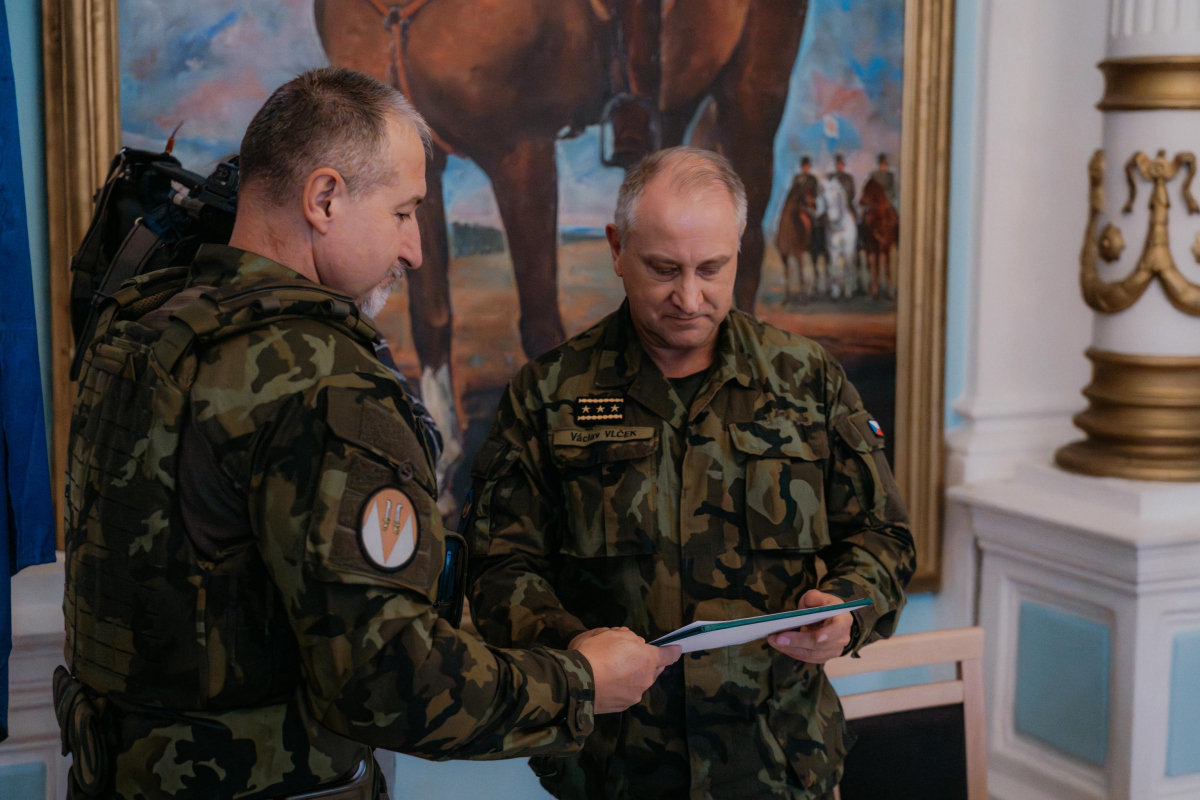
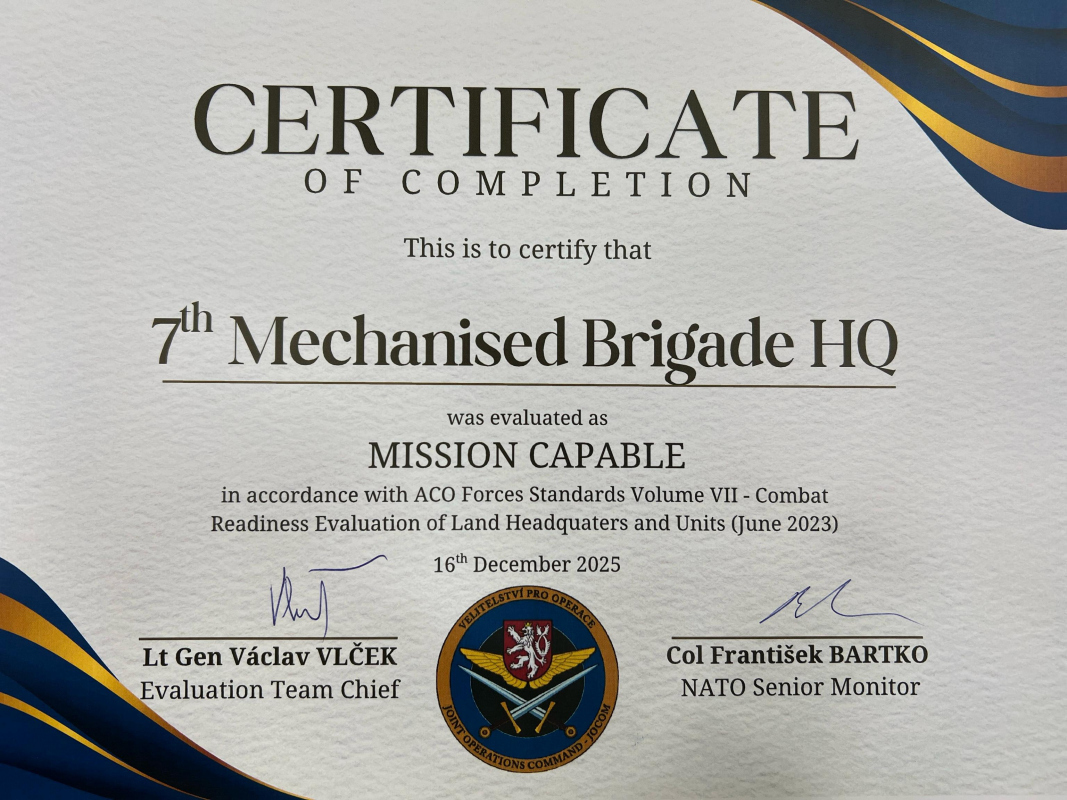
On December 16, Lieutenant General Vlček and Colonel František Batko personally presented the brigade with a certificate of completion of the evaluation process, thereby confirming the readiness of the 7th BÚU to perform tasks within the framework of alliance structures.
“The brigade command demonstrated its ability to plan and manage operations of the combat task force within the Multinational Division Northeast during the certification process. The Czech Armed Forces thereby confirmed its ability to fulfill its obligations to NATO and participate in collective defense,” emphasized Lieutenant General Václav Vlček.
Foreign representatives also evaluated the performance positively. “Cooperation with the Czech 7th Mechanized Brigade is an example of excellent interoperability and professionalism for us. Their result meets NATO standards,” said Major General. Jarosław Górowski, commander of the MND-NE.
Dukel conclusions: more than an exercise. Validation of capabilities and a step forward in alliance responsibility
The successful completion of Amber Lionheart 25 in practice means only one thing – the 7th Mechanized Brigade has confirmed its readiness for operational deployment in the alliance grouping and is capable of managing large-scale high-intensity operations. The training brought valuable feedback not only in the area of command, but also in process development and doctrinal preparation for possible future scenarios, including further development of the heavy brigade and assigned combat support elements.
“This training not only advanced us professionally, but also united us as a team. We confirmed our ability to plan and make decisions at the pace of the modern battlefield. This is valuable experience for us,” added Brigadier General Zdeněk Mikula, Commander of the 7th Mechanized Brigade.
Result? Czech Brigade confirms its role as a pillar of collective defense
Amber Lionheart 25 completed a year-long preparation phase that combined process planning, operations management, international interoperability and final certification. The 7th Mechanized Brigade confirmed its ability to perform collective defense tasks and ranked among the fully evaluated alliance units ready for deployment within the MND-NE.
The Dukel Brigade thus stands firmly today as a modern maneuver element of the Army of the Czech Republic - with a coordinated 7th Brigade Task Force, which can combine mechanized units, fire support, engineering, CBRN, air defense, communications, logistics and medical elements into one functional unit, ready to take responsibility, make decisions and act.
Author: Capt. Romana Spitzerová