- 2.4.2026
Field repairs of military equipment are among the core capabilities of the Land Forces. During training, real malfunctions occur that drivers and mechanics must address immediately, without workshop support and often under demanding conditions.
Reliability proven in practice
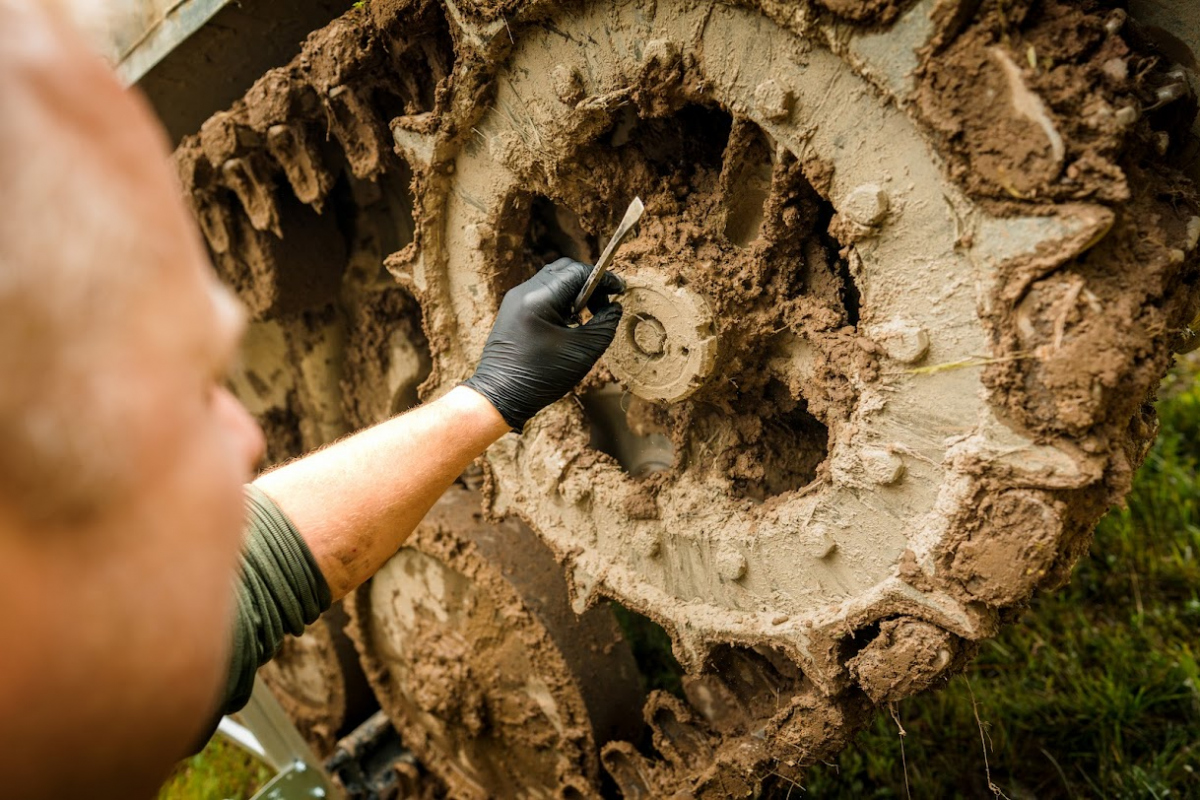
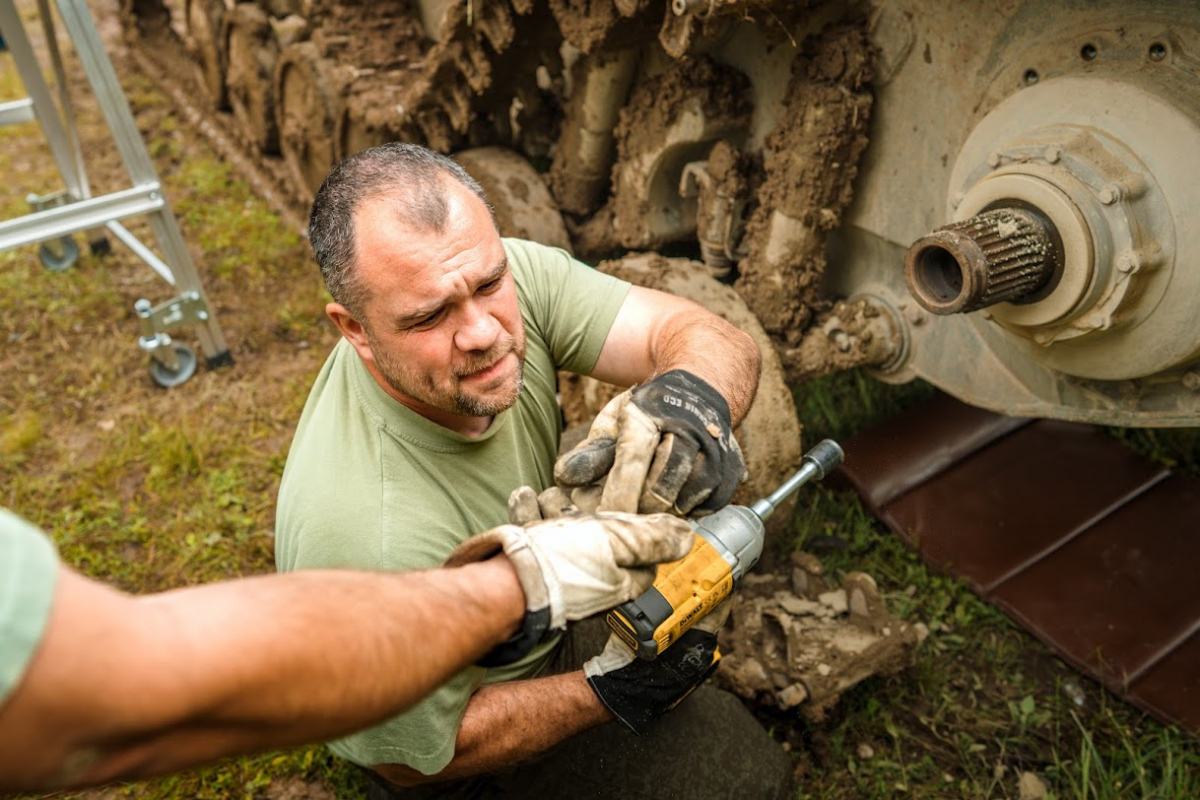
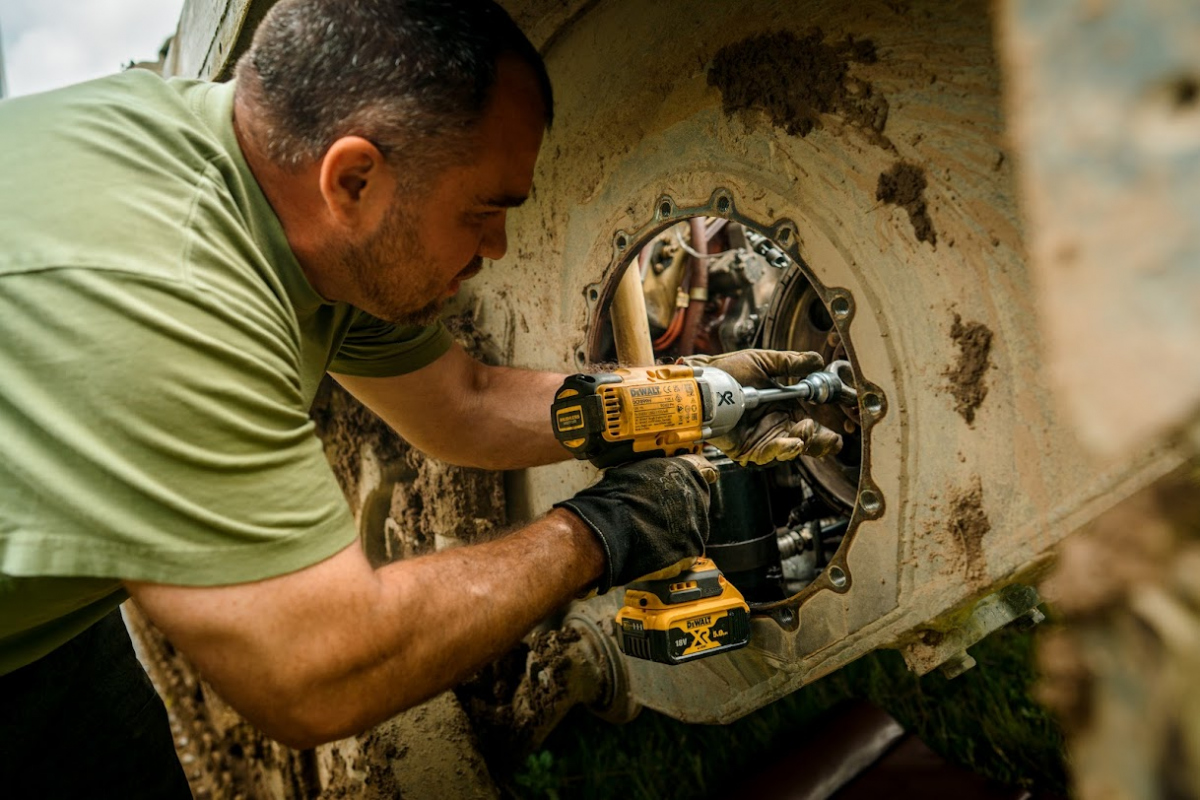
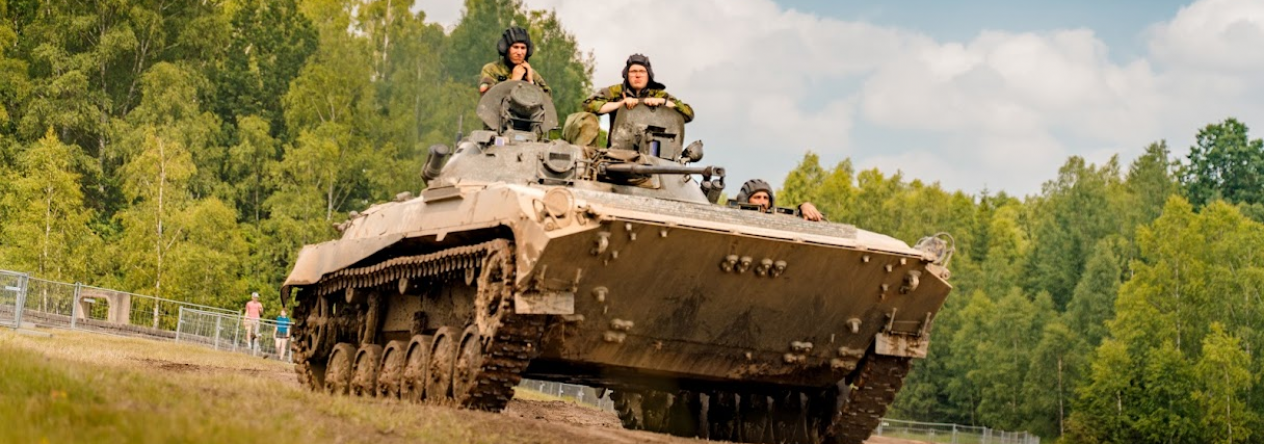
Tracked vehicles are exposed to significant strain when operating in the field. Mud, uneven terrain, obstacles, and prolonged use naturally lead to wear of individual components. Training therefore frequently creates situations where equipment requires immediate intervention on site. This is not a simulated scenario, but a real repair that must be carried out in order to keep the vehicle operational.
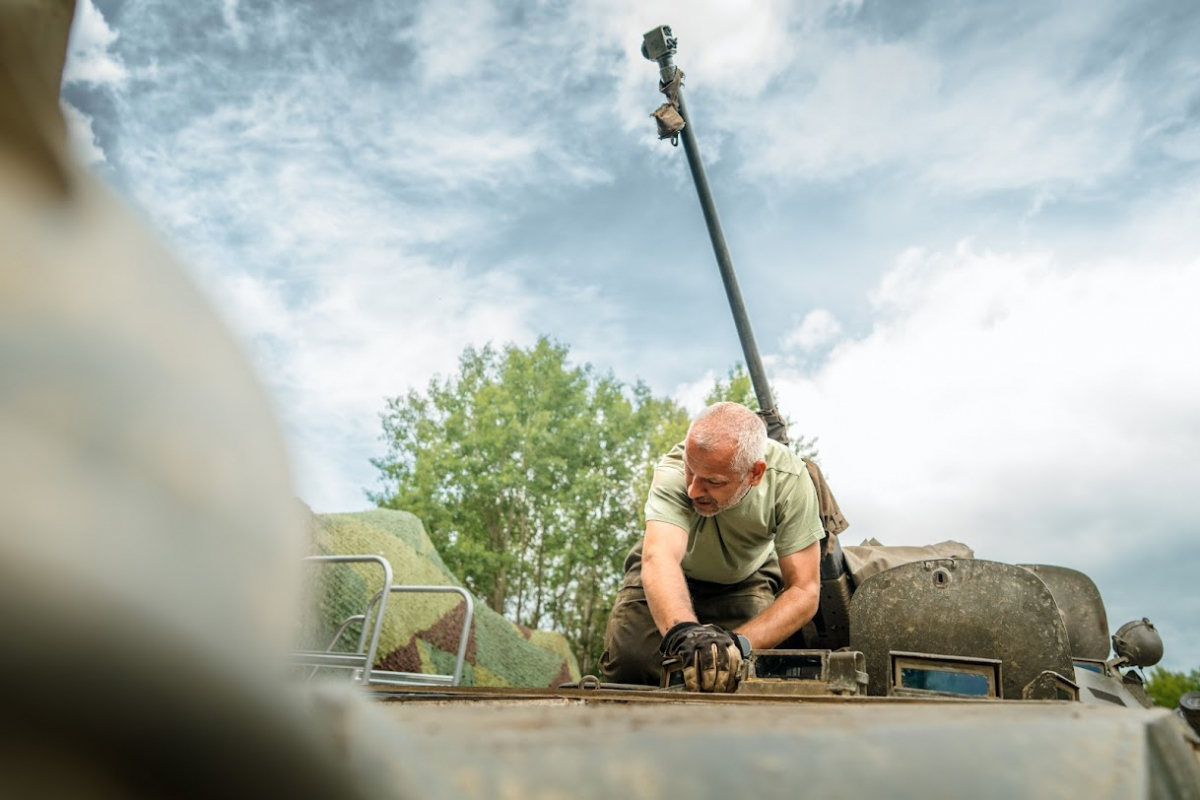
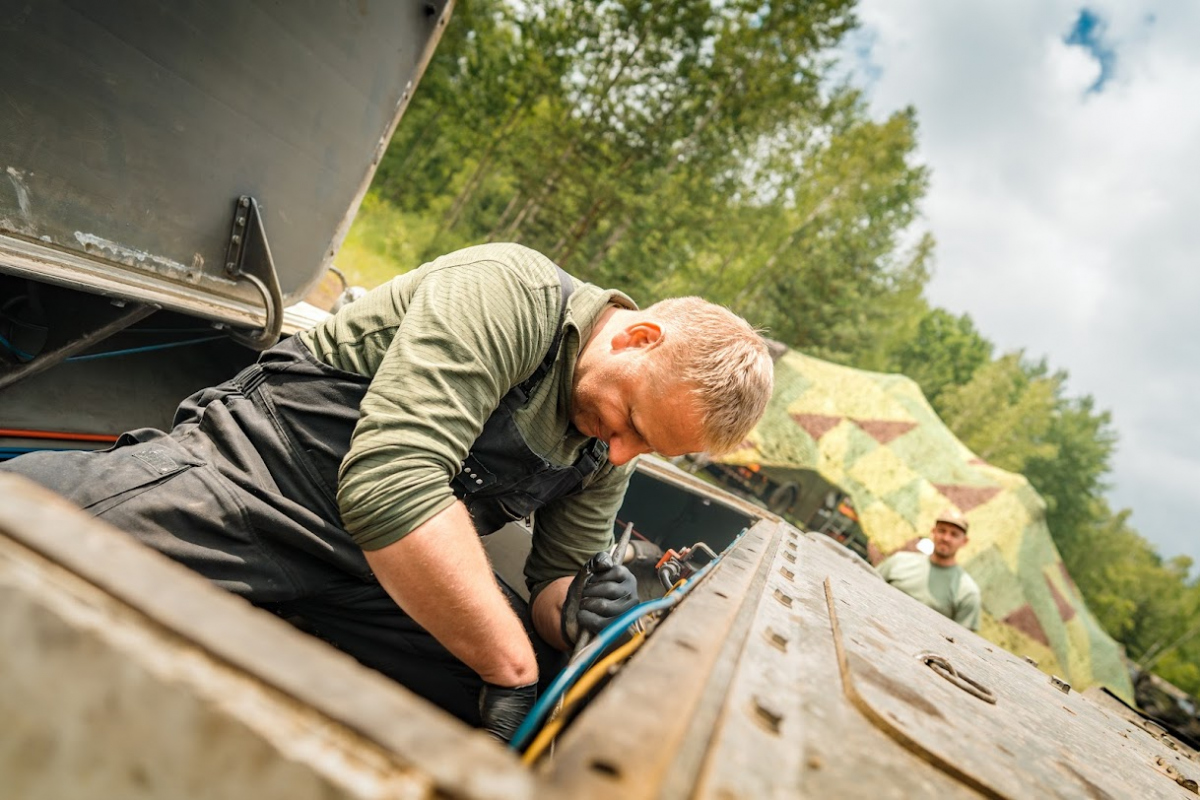
In such moments, the reliability of military equipment is not determined solely by the machine itself. It is the result of design, regular maintenance, and the skills of the personnel who operate and sustain it. Drivers of military vehicles are therefore not just operators. In cooperation with mechanics from the repair platoon, they must be able to respond quickly and effectively to faults directly in the training area.
When the equipment stops
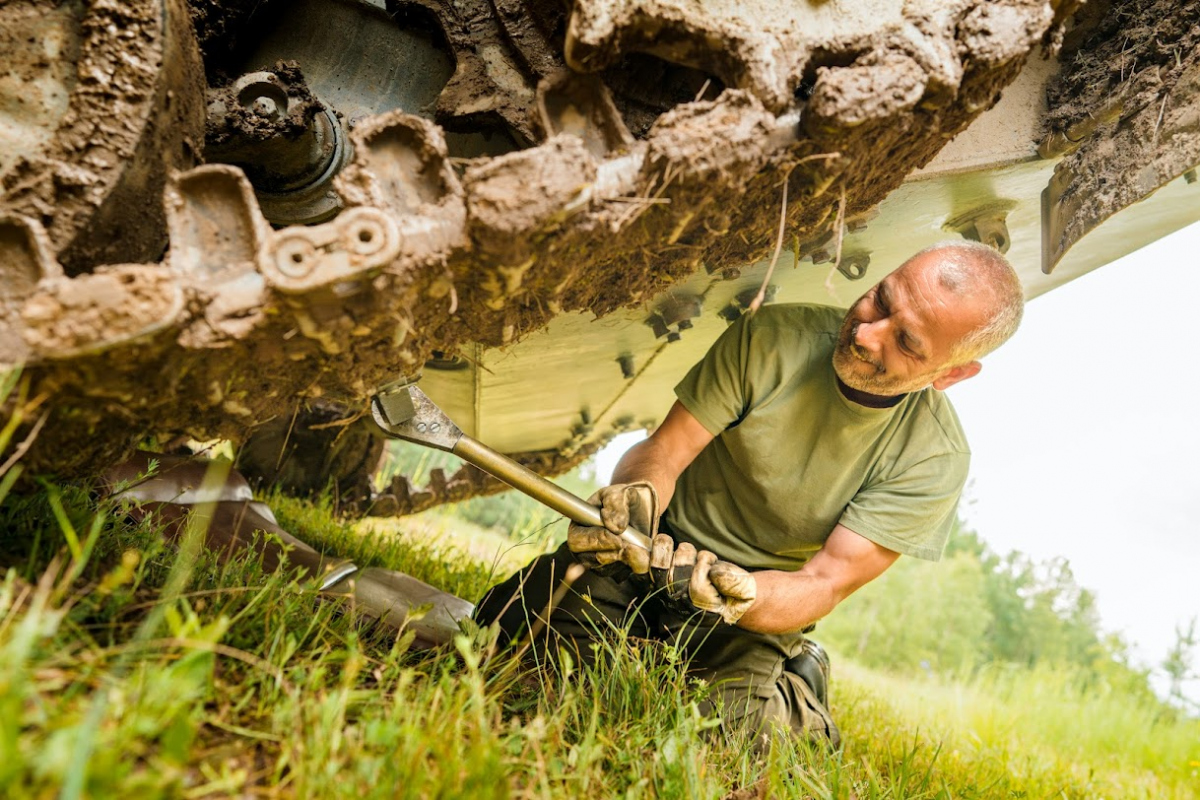
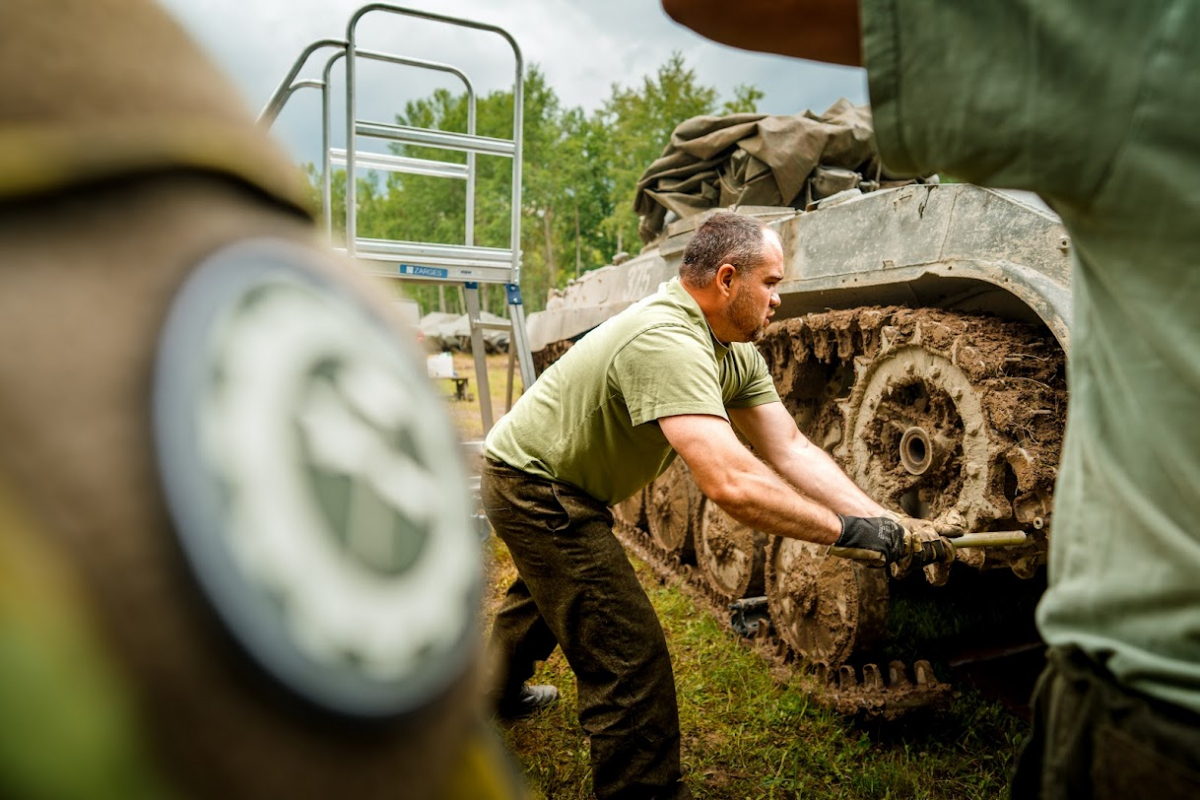
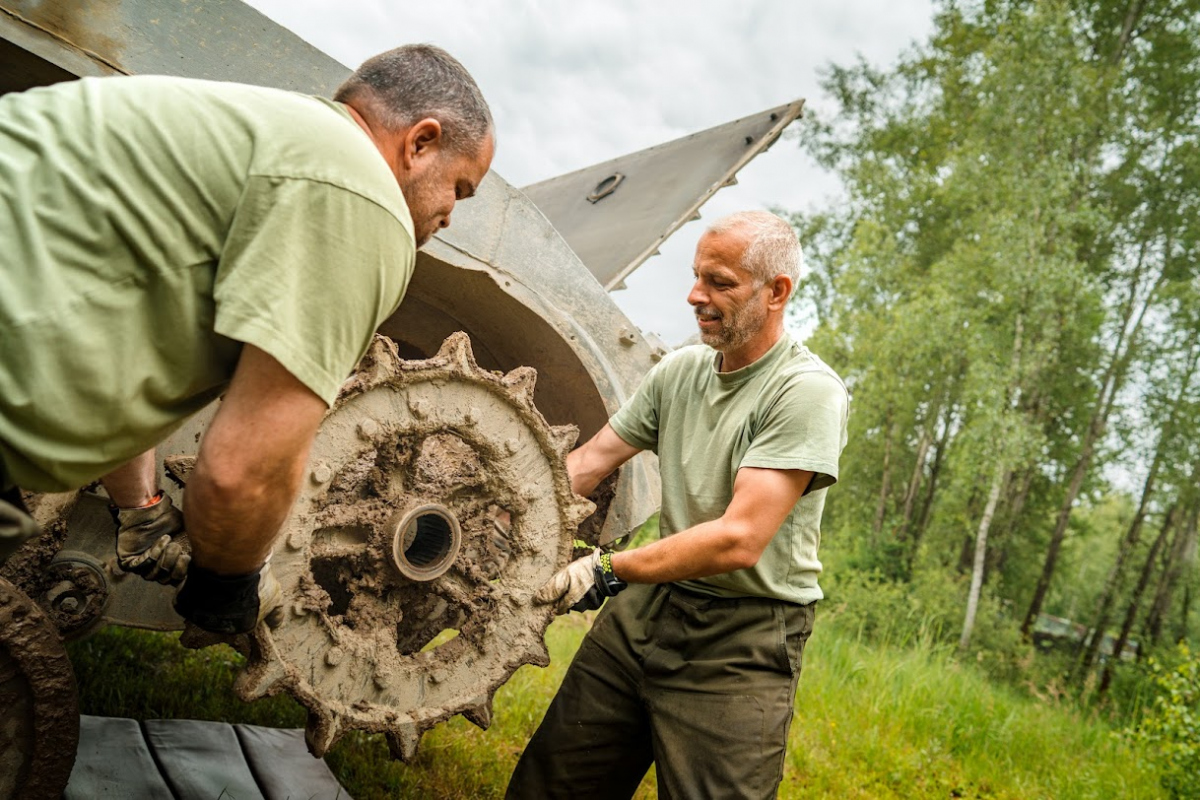
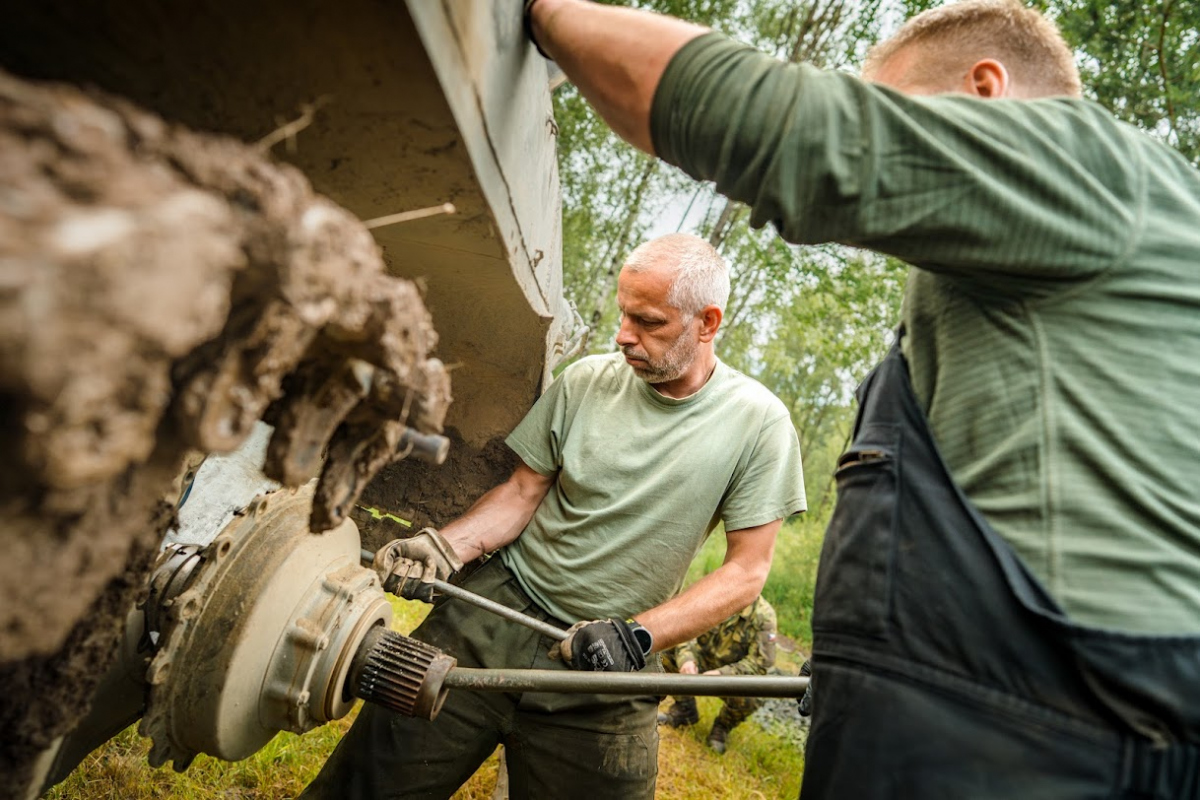
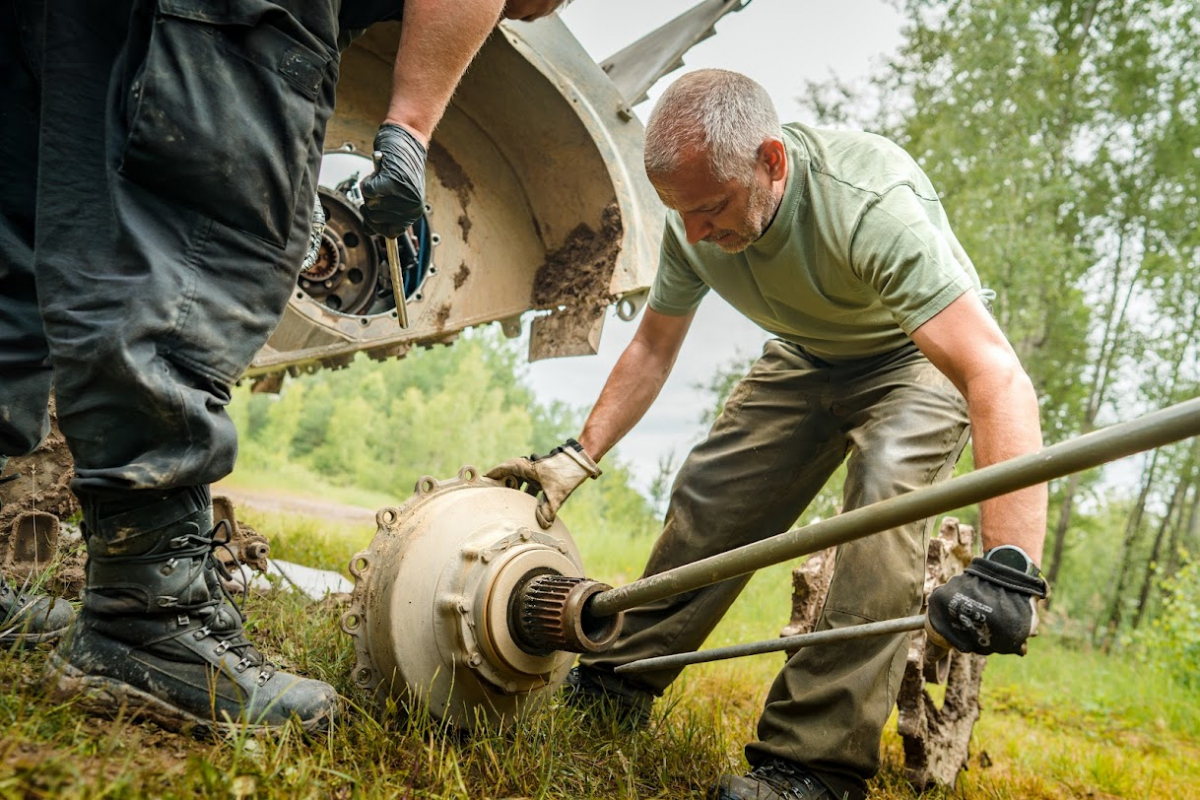
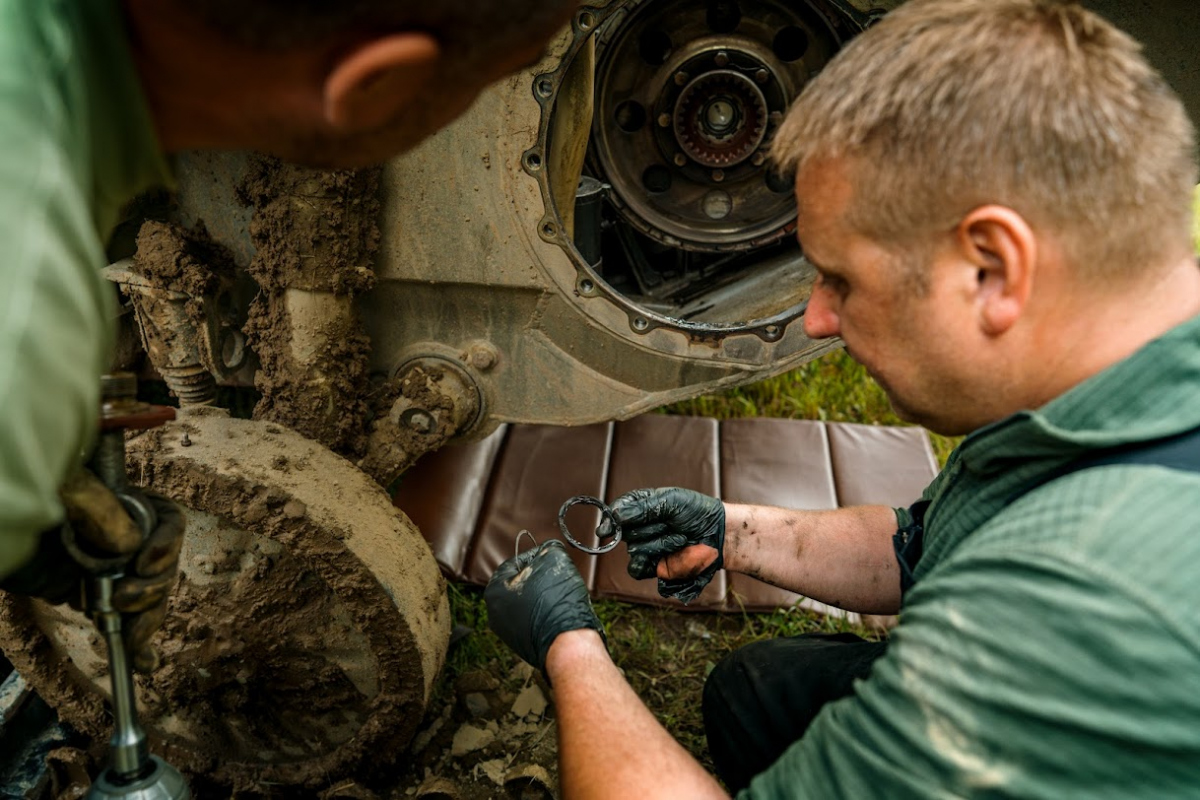
When equipment comes to a halt, time becomes critical. Relocation to workshop facilities is often not an option, and repairs must be conducted directly in the field. Work on the chassis, handling of tracks, or replacement of damaged components are tasks that must be carried out in conditions that cannot be chosen.
“In the field, you work in conditions you do not choose. Mud, limited space, and time pressure are part of the reality. Experience and team coordination are decisive. It is precisely in these situations that a unit must prove it can operate and keep equipment running even without support facilities,” a mechanic explains.
The coordination between the crew and the repair team is what determines how quickly a fault can be resolved and the vehicle’s mobility restored. Successful field repair is not just a matter of equipment, but above all of practical experience, technical knowledge, and the ability to work under pressure. Every vehicle returned to operation means maintaining the unit’s mobility and the ability to continue training without major limitations.
The experience gained in these situations directly translates into real-world deployments. Current conflicts show that technical failures and wear affect both older and modern equipment alike. What matters is not only what equipment a unit has, but whether it can keep it operational even under far-from-ideal conditions.
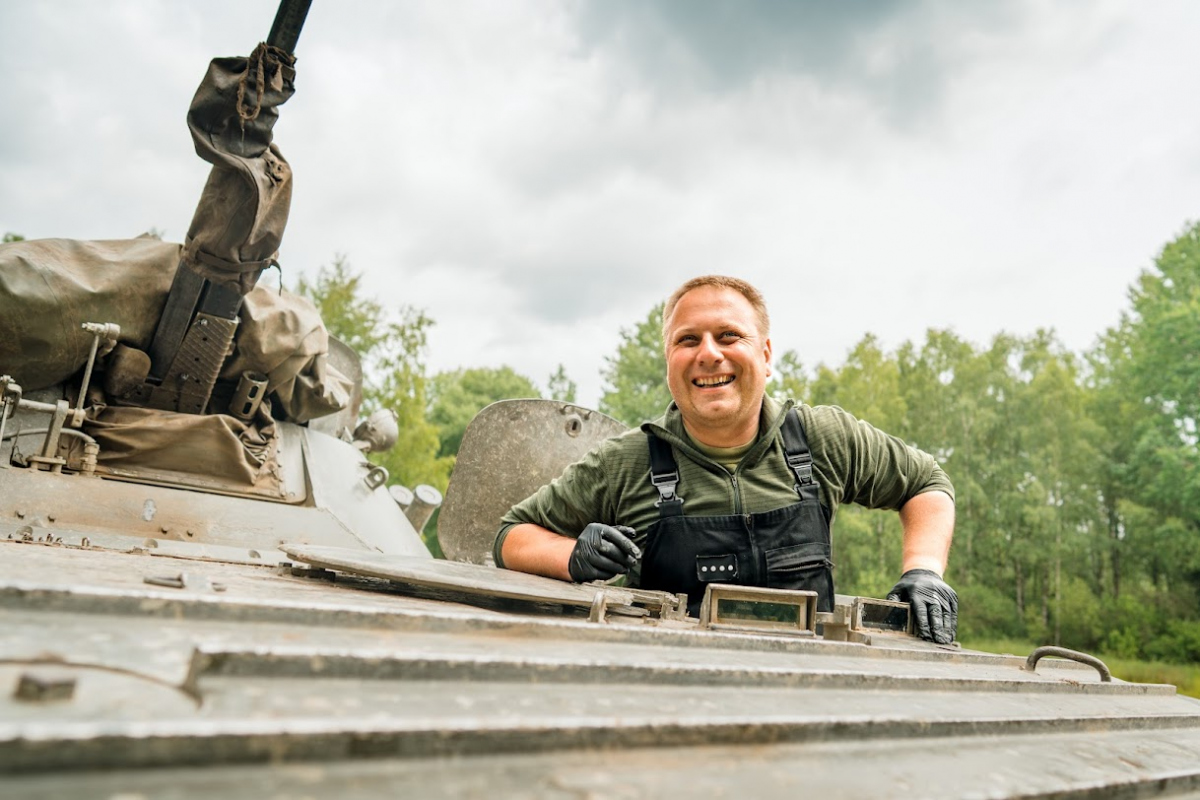
The ability to repair military equipment directly in the field is therefore a key element of Land Forces resilience. It is not only about restoring the functionality of a single vehicle, but about maintaining operational tempo, preserving unit mobility, and continuing the mission even when the terrain itself puts equipment to the test.