- 17.7.2026
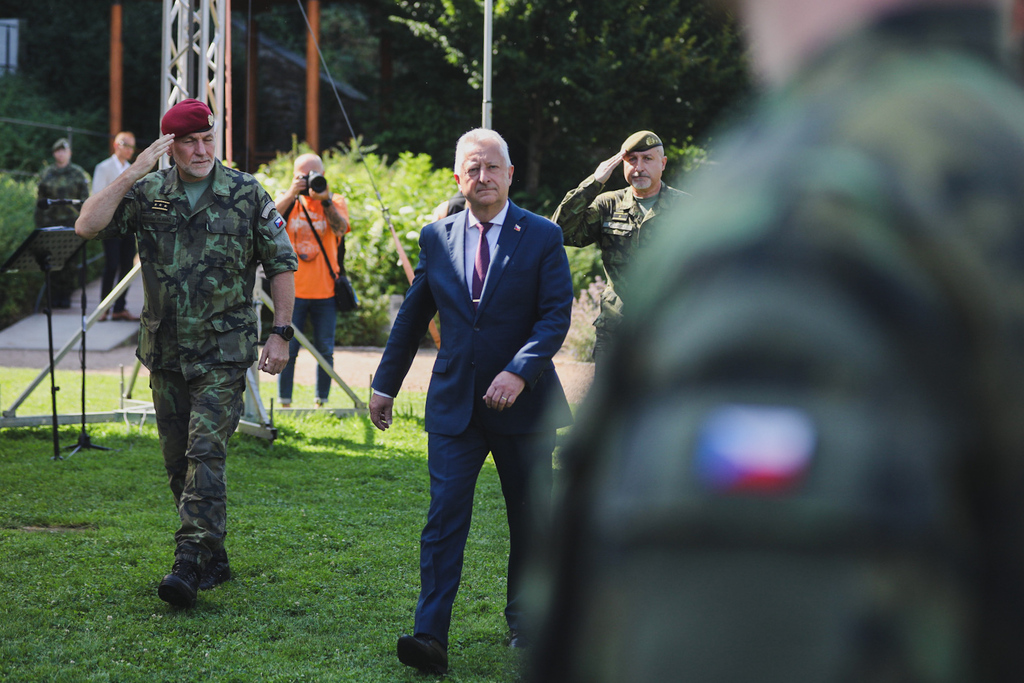
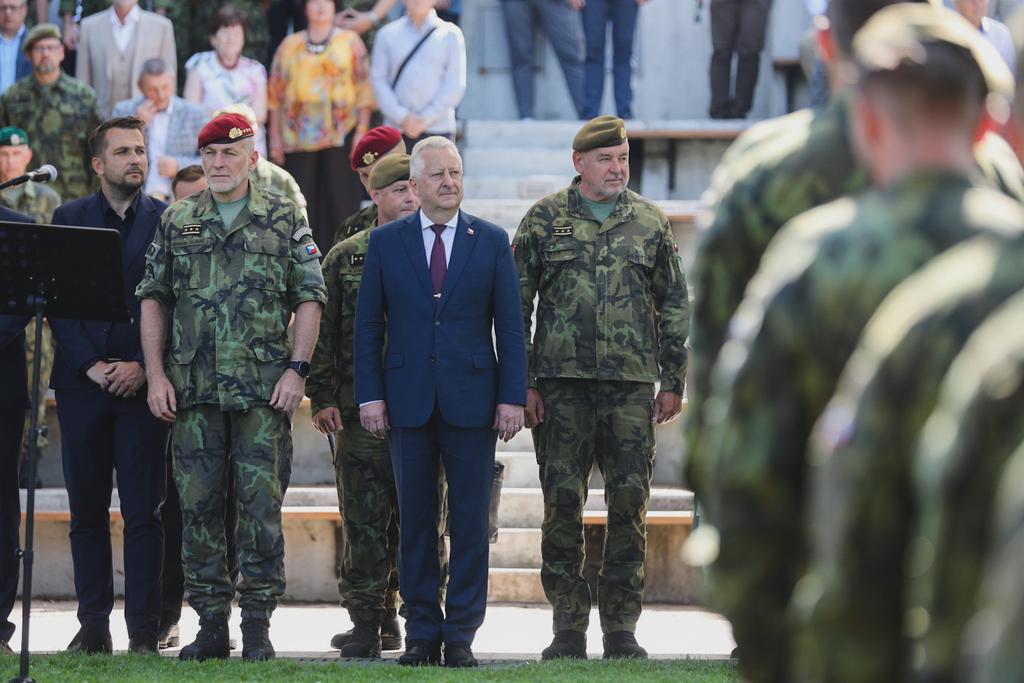
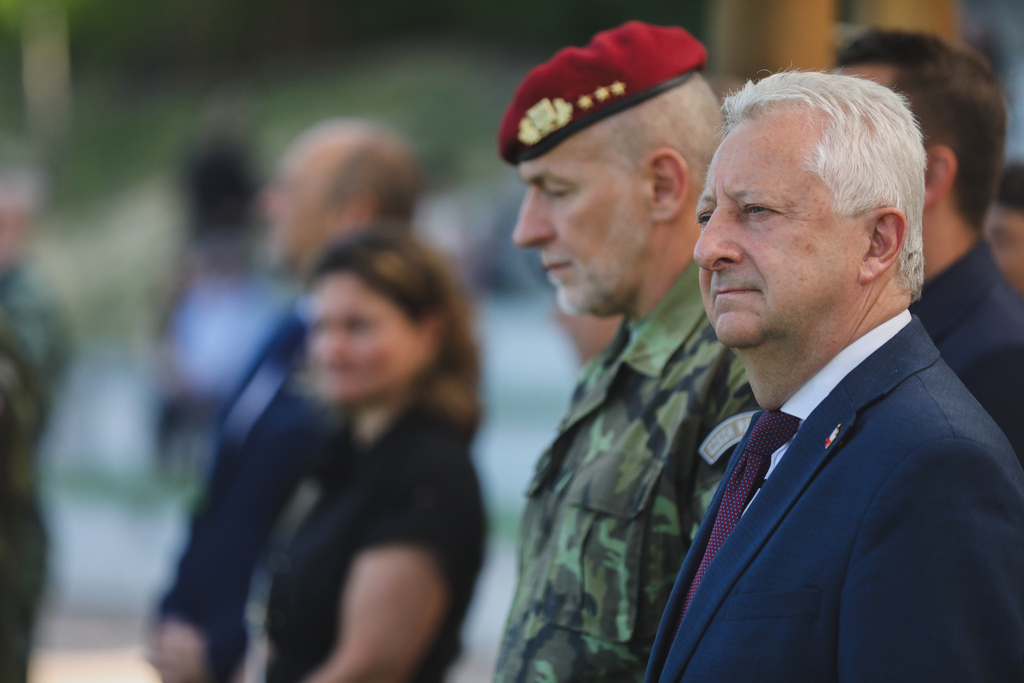
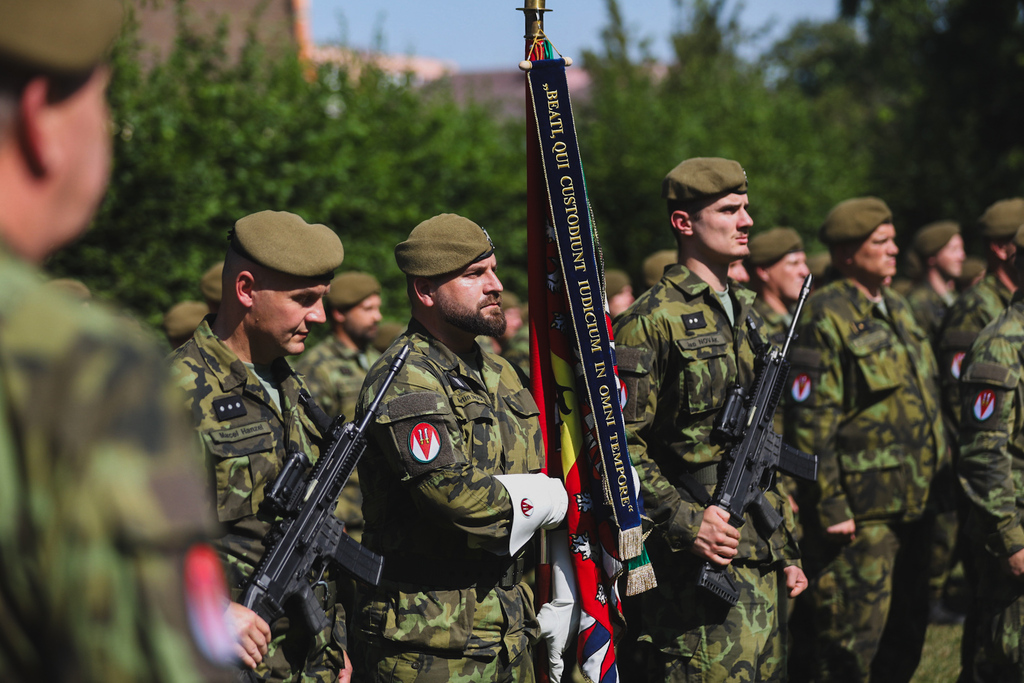
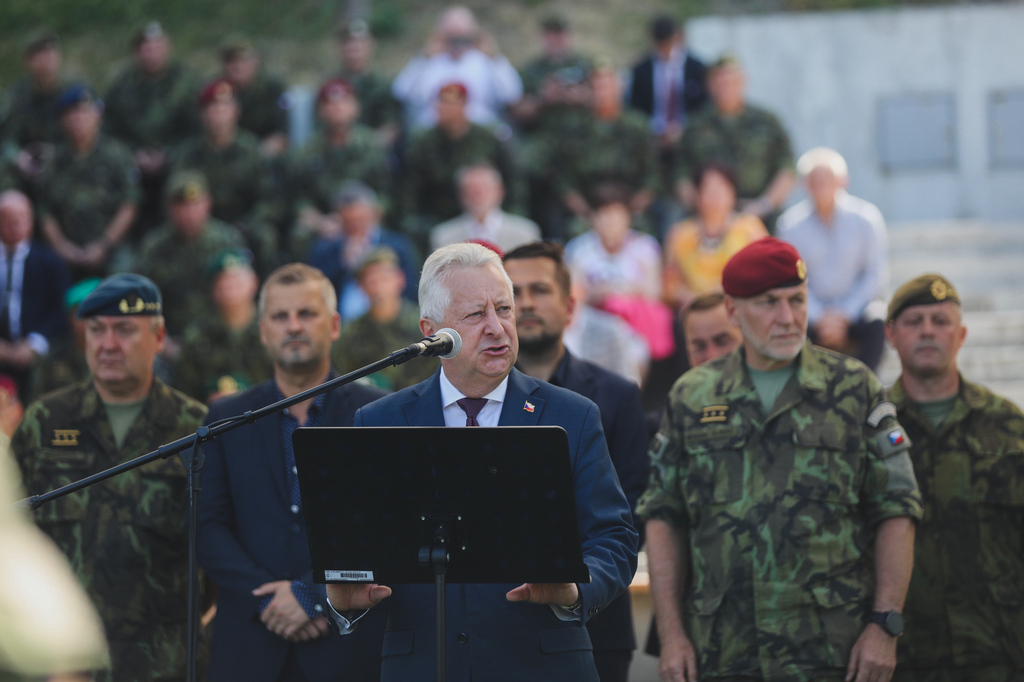
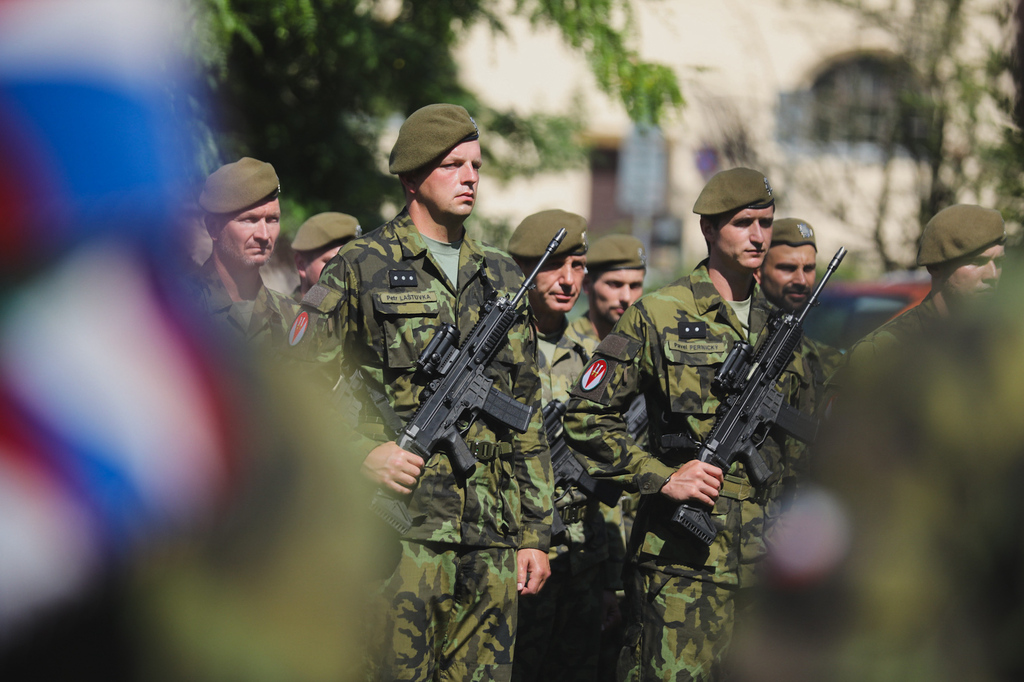
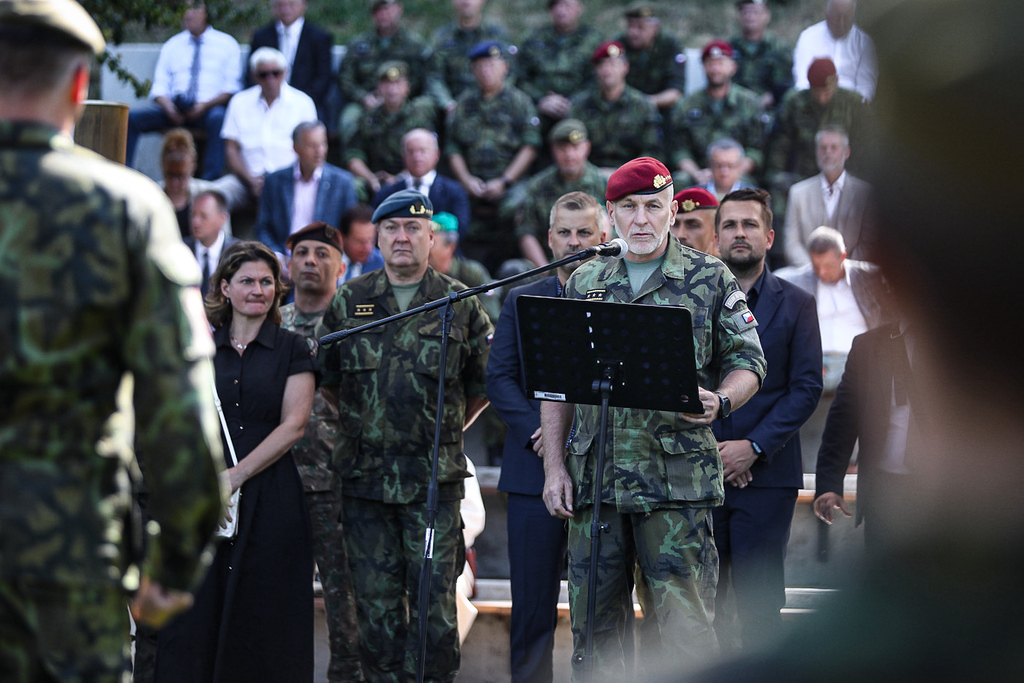
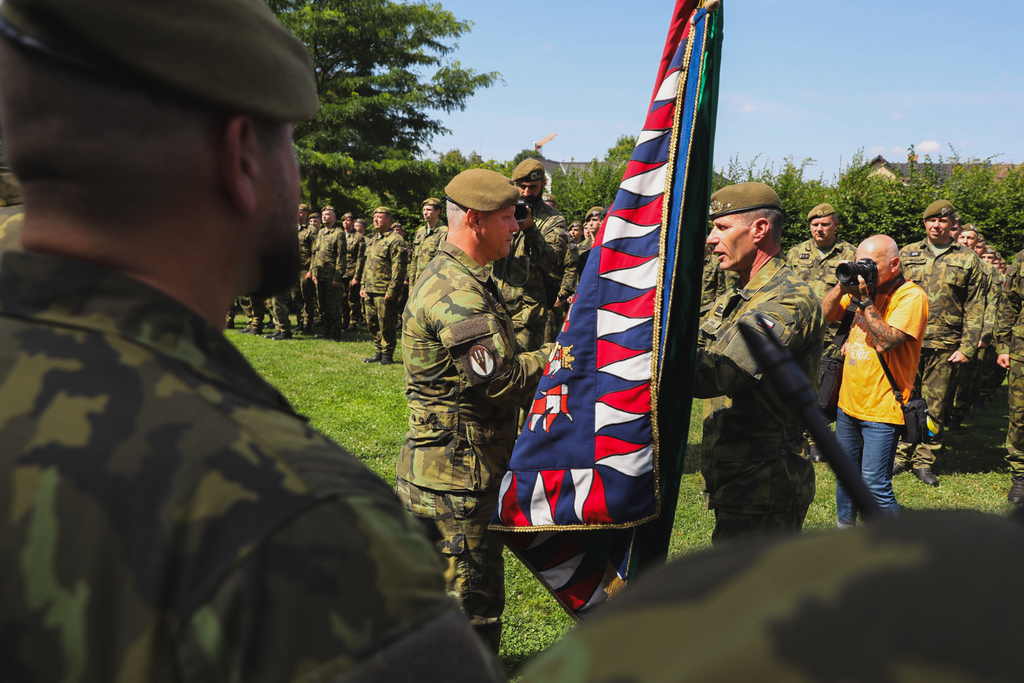
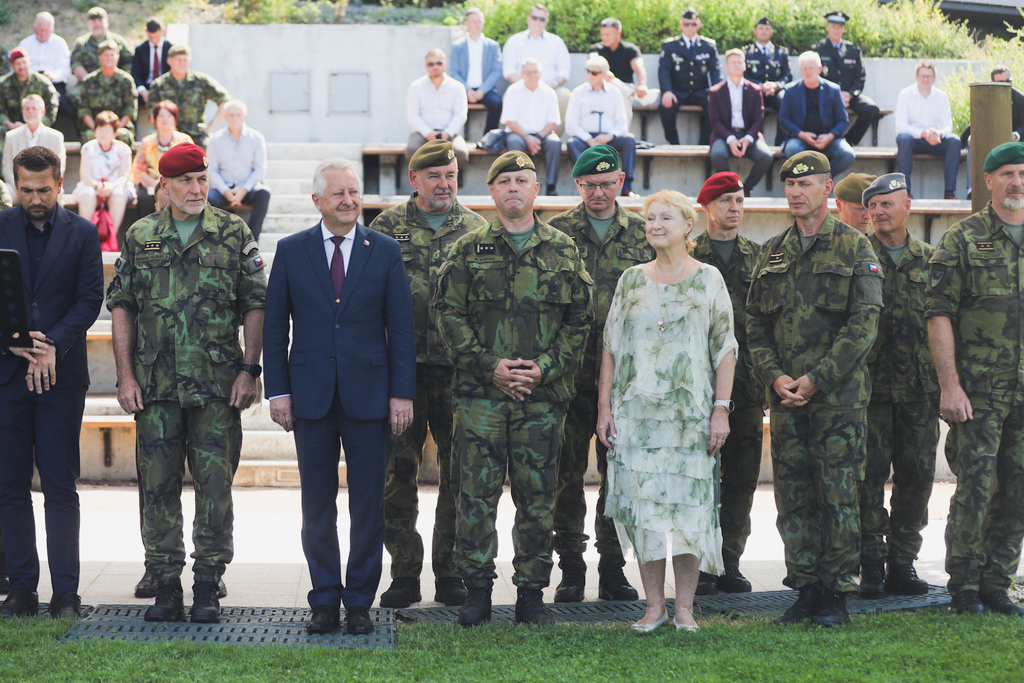
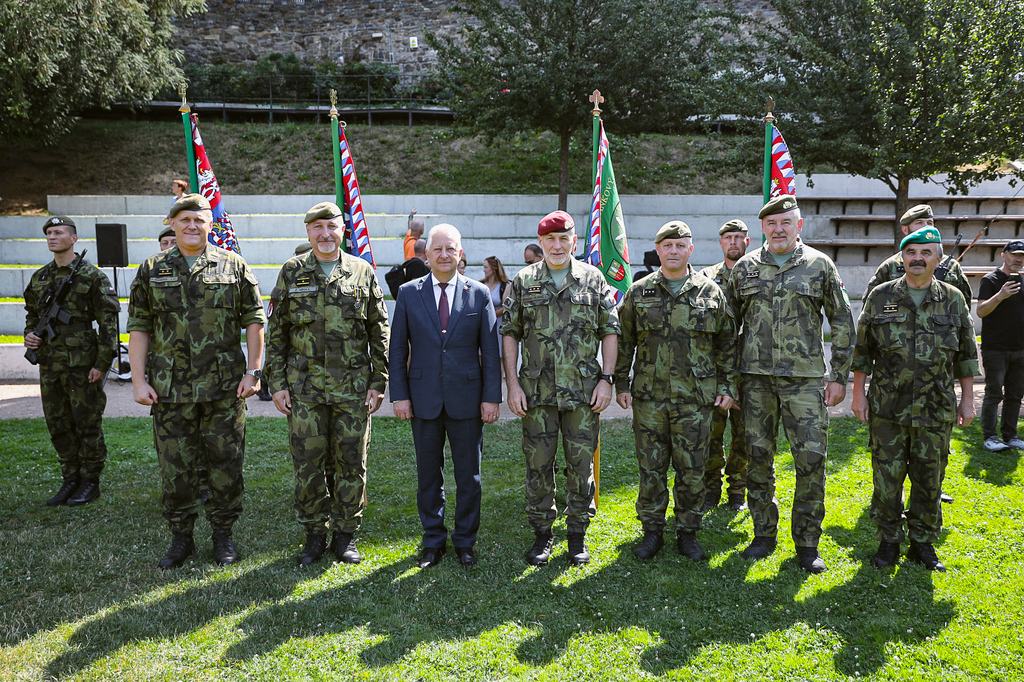
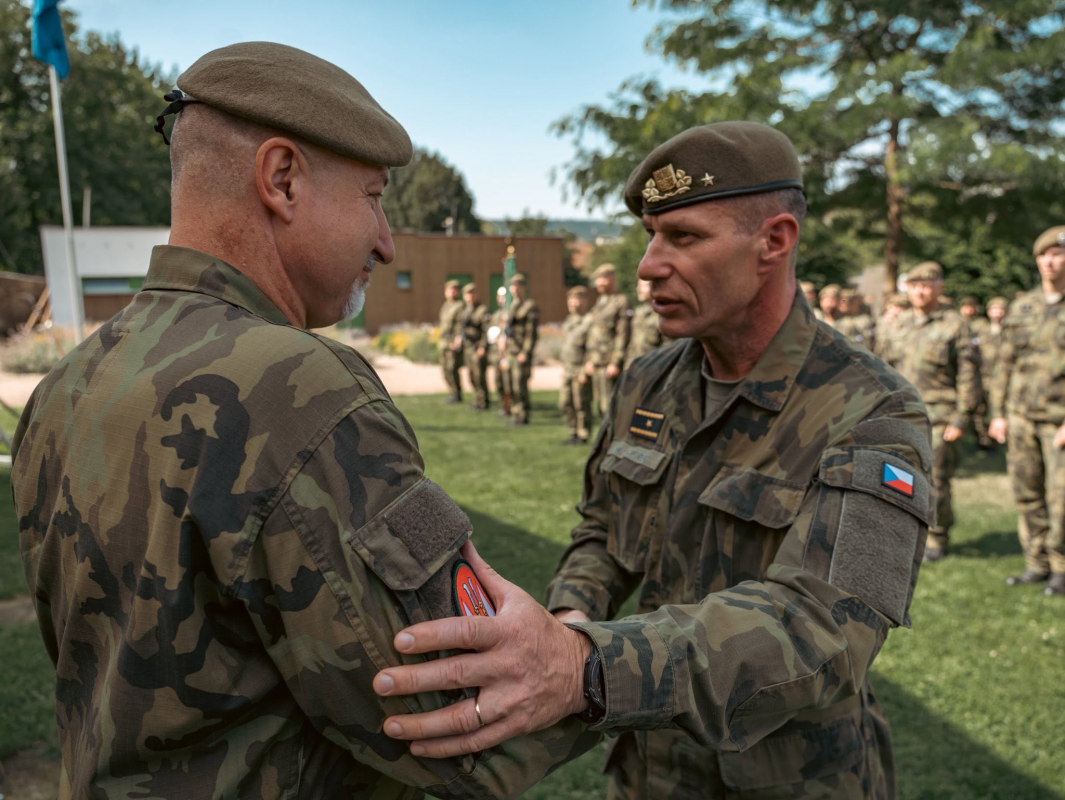
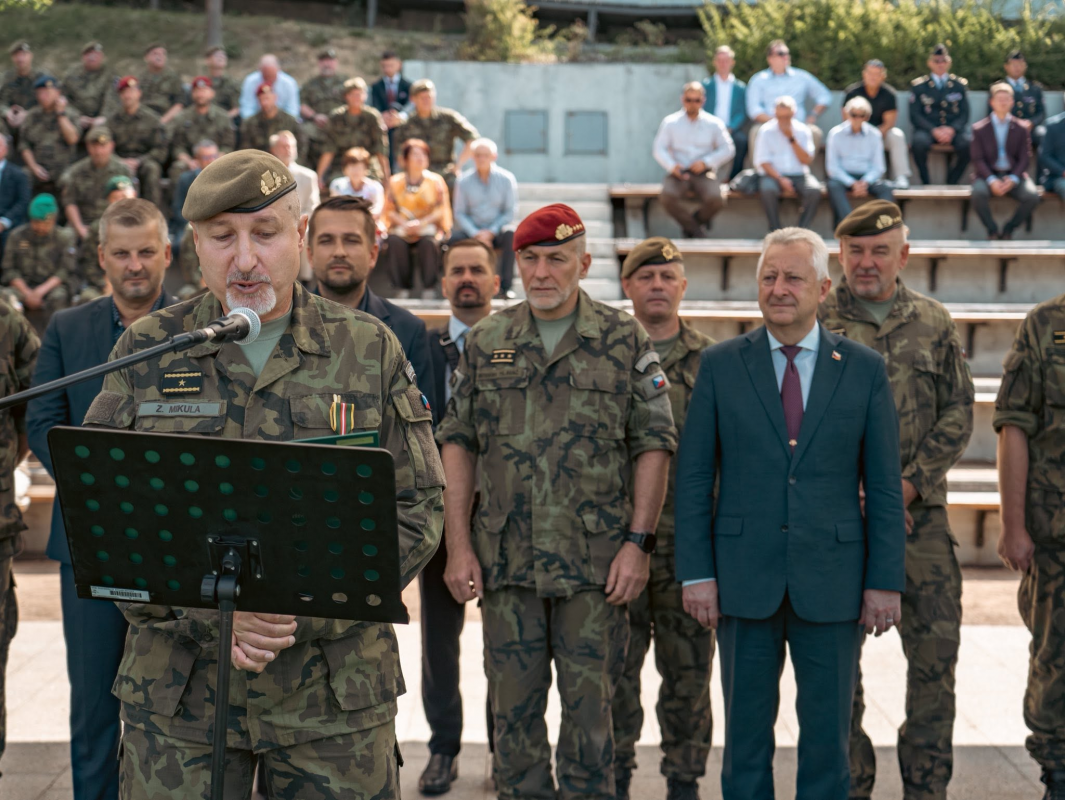
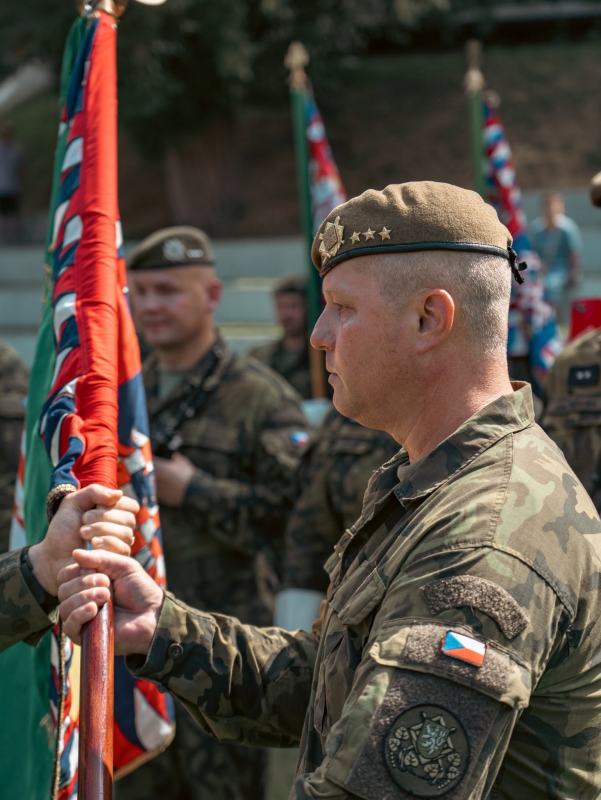
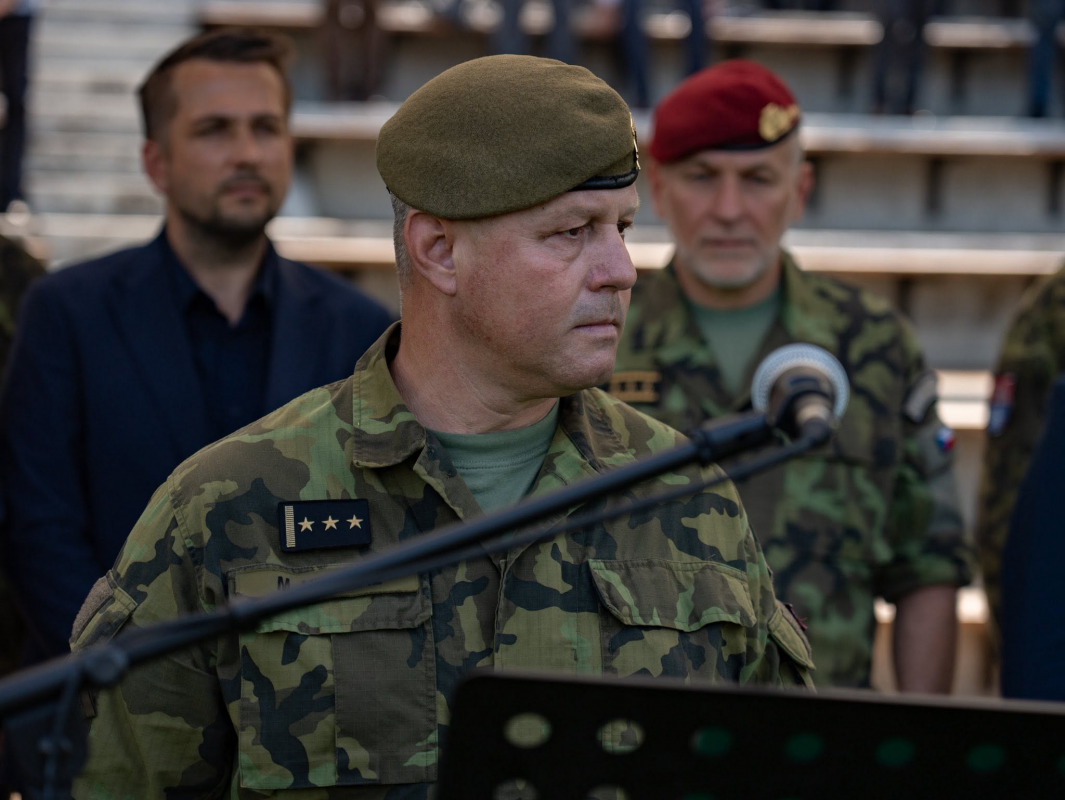
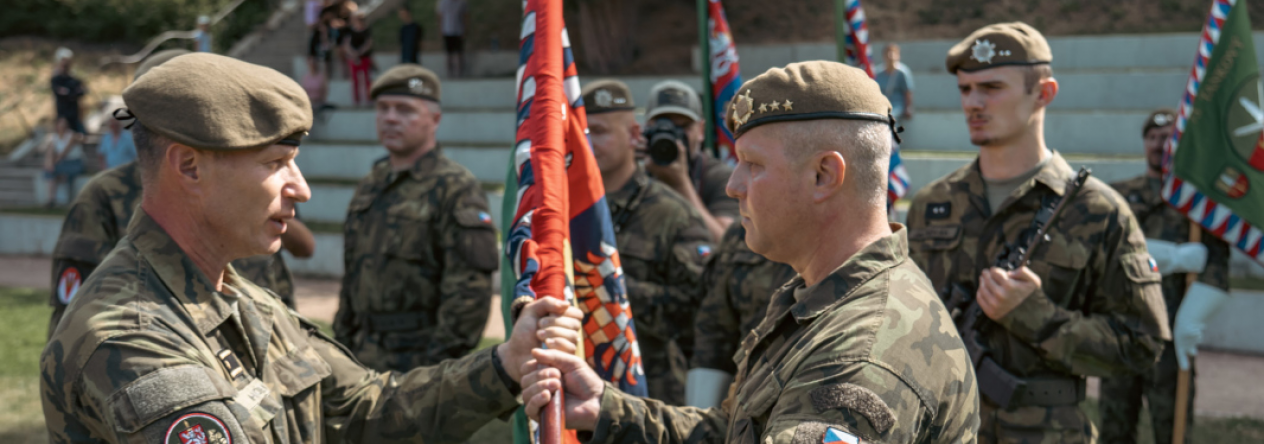
In the presence of Minister of Defence Jaromír Zůna and Chief of the General Staff of the Czech Armed Forces Lieutenant General Miroslav Hlaváč, command of the 7th Mechanised Brigade was handed over in Hranice. Colonel Miroslav Vybíhal succeeded Brigadier General Zdeněk Mikula, who led the brigade through a crucial stage of preparation for its future structure. Colonel Vybíhal takes command at a time when the key task, alongside introducing new equipment, will be to integrate it into training, develop soldiers’ capabilities and achieve full combat readiness for the demands of the modern battlefield.
The change of command comes as the Czech Armed Forces undertake the most extensive modernisation of their Land Forces in recent history. The brigade—both the Czech military’s principal strike force and the foundation of the heavy brigade being developed under allied commitments—is entering a decisive phase of re-equipment and transformation.
Europe’s security environment has changed fundamentally in recent years. The war in Ukraine has confirmed that the ability to conduct high-intensity land combat remains essential both for national defence and credible deterrence. Building the heavy brigade is therefore one of the most important strategic priorities of the Czech Armed Forces’ senior leadership.
“The 7th Brigade is the Czech Armed Forces’ principal strike force. It is capable of conducting decisive combat, and completing its development is one of our key commitments to NATO. Completing the heavy brigade is my priority,” Lieutenant General Miroslav Hlaváč said during the ceremonial parade. He stressed that lessons from the war in Ukraine confirm the growing importance of heavy land forces and the ability to prevail against a technologically advanced adversary.
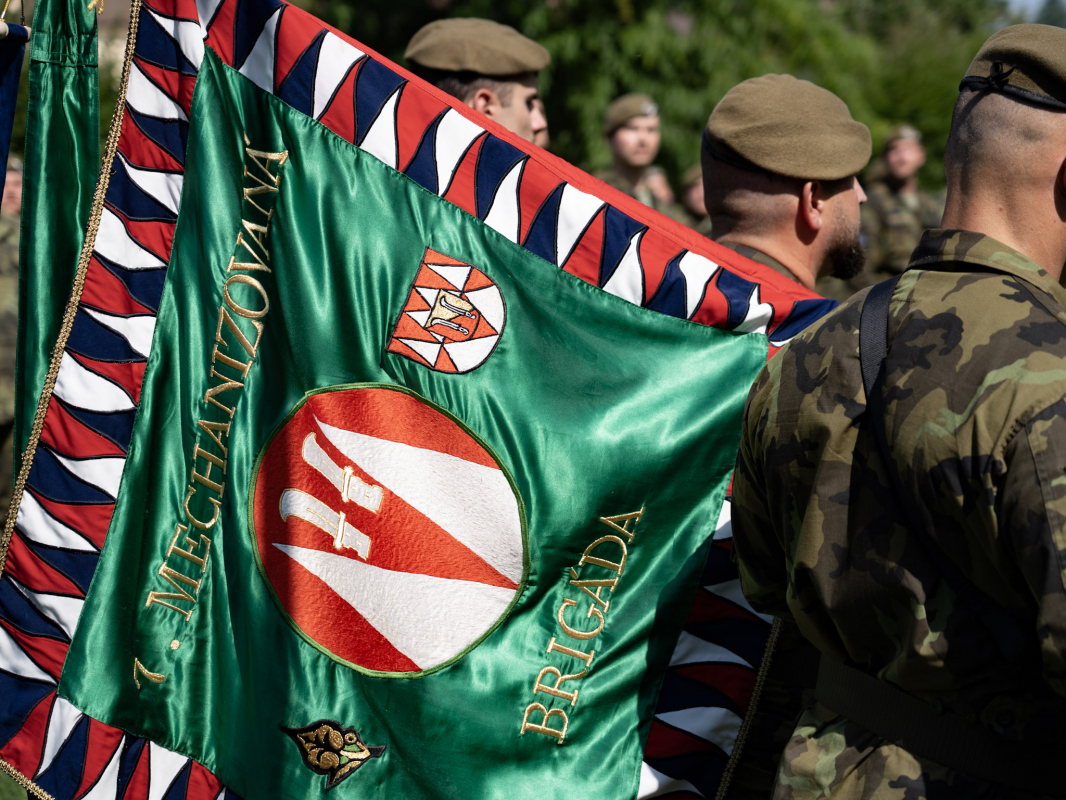
The 7th “Dukelská” Mechanised Brigade plays a central role in meeting these objectives. It represents the Czech Land Forces’ principal contribution to NATO’s collective defence system, and its readiness will determine not only the ability to conduct the most demanding combat missions but also the Czech Republic’s credibility as an ally.
Minister of Defence Jaromír Zůna also acknowledged the brigade’s importance to national defence and the work of its personnel in recent years. “The 7th Mechanised Brigade is, without exaggeration, the backbone of our Army’s Land Forces. As a key element assigned to NATO, it represents our firm commitment to the collective defence of allied territory, and both our country and our allies know they can fully rely on it. To meet our Alliance commitment, the brigade has been undergoing the most extensive modernisation in its history. I fully appreciate how demanding the process of modernisation and transition to new platforms is, and I would like to thank all of you for the professional approach you have taken to these changes.” In his address, the minister thanked the outgoing commander and wished his successor every success.
The outgoing commander led the brigade during the period in which long-prepared changes began to become reality. Leopard tanks entered service, preparations for the introduction of CV90 vehicles began, and intensive training and allied certification continued. Brigadier General Zdeněk Mikula emphasised that the results were not the achievement of an individual, but of the entire formation. “I leave proud of what we have achieved together. This was never the story of one commander. It is the work of a brigade full of people who demonstrate professionalism, perseverance and character when it matters most,” he said.
According to the Chief of the General Staff, modernisation is not merely the acquisition of new equipment. “Equipment alone will not turn a brigade into a combat force. We must introduce it into the units. We must train personnel to operate it. We must change command, training and the way we fight. And we must connect the new systems so that the brigade can acquire information, make decisions and defeat the enemy quickly,” Lieutenant General Hlaváč stressed.
Colonel Miroslav Vybíhal takes command with detailed knowledge of the brigade and its environment. He previously served as its chief of staff and deputy commander, and as Director of the Land Forces Development Department he helped prepare the modernisation projects that will shape the brigade’s future.
He assumes command while the brigade stands on solid foundations but still faces demanding tasks. Modernisation continues alongside training, capability development and preparation for the next stage in building the heavy brigade. “I take command of the brigade with respect for what has already been built. People will always come first for me, because their professionalism, determination and mutual trust are the foundation of success. At the same time, we are entering a crucial period of re-equipment and further development of the heavy brigade—a priority at every level, from political-strategic direction to the lowest level of command. I am confident that together we will accomplish this demanding task and strengthen the capabilities of both the brigade and the entire Czech Armed Forces,” Colonel Vybíhal said.
The Mayor of Hranice also highlighted the event’s significance for the city. He said the Castle Garden was not only a beautiful setting for the ceremony but also a natural symbol of the relationship between the city and its garrison. “Hranice and the local garrison have long belonged together. I am pleased that the Castle Garden, one of the most beautiful places in our city, became the setting for such an important moment. It is a dignified venue for an event that matters not only to the armed forces, but also to Hranice itself,” Mayor Daniel Vitonský added.
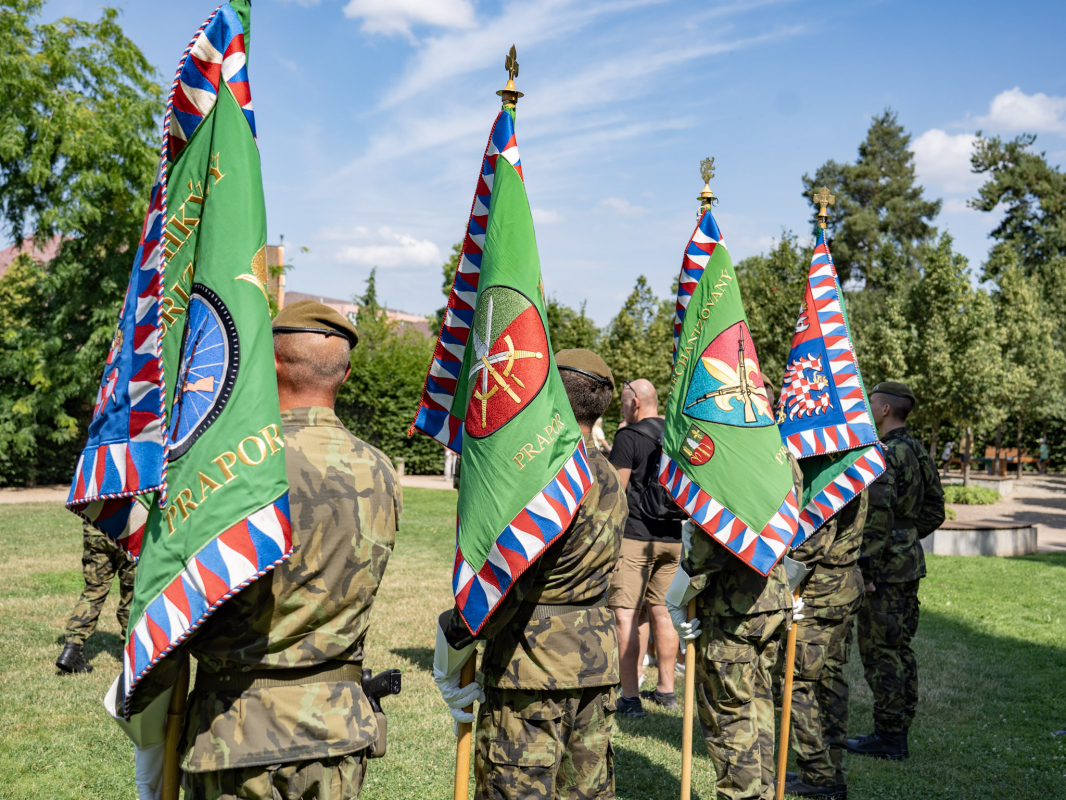
The handover ceremony in Hranice was attended by representatives of the state, the Ministry of Defence, the Czech Armed Forces, local government and international partners. Their presence confirmed the importance of the 7th Mechanised Brigade not only to the Czech Land Forces but also to NATO defence. The change of command therefore represents more than a personnel change: it continues the long-term strategic effort to build a modern heavy brigade capable of succeeding on both today’s and tomorrow’s battlefield.
Authors: Captain Romana Spitzerová and Barbora Popovová