- 16.3.2026
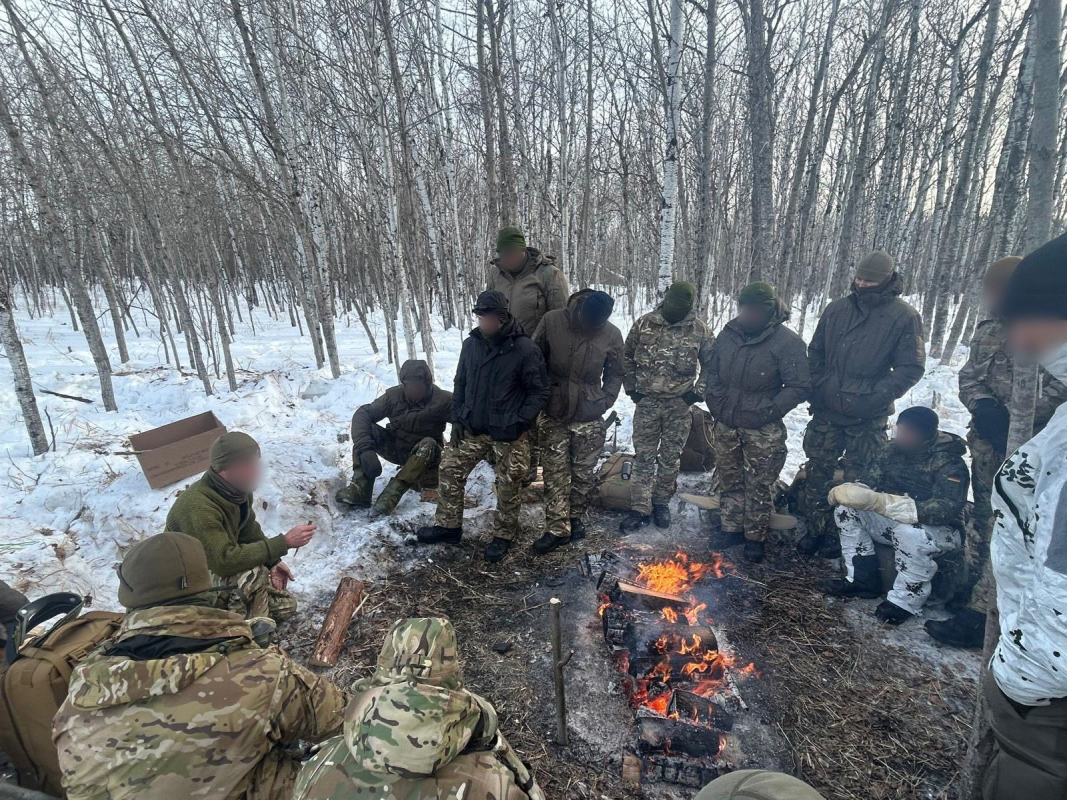
Extreme cold, deep snow, and the inhospitable Canadian taiga. In such conditions, members of the Czech Armed Forces completed the specialized SERE Extreme Cold Weather Course in Winnipeg, Canada. The aim of the course was to enhance skills in survival, evasion, and the subsequent extraction of isolated personnel in an environment with minimal orientation points and in climatic conditions among the harshest in the world.
What SERE means
The acronym SERE stands for Survival, Evasion, Resistance, Escape (Extraction). It represents four key areas of military training:
Survival – the ability to endure extreme conditions and secure basic needs.
Evasion – avoiding the enemy through concealment, movement, and the ability to evade pursuit.
Resistance – maintaining psychological resilience and withstanding pressure in case of capture.
Escape / Extraction – returning to friendly forces or being recovered by allied units.
SERE courses prepare soldiers for situations in which they may become isolated in hostile territory without support, for example after an aircraft shootdown, loss of contact with their unit, or separation during an operation. The objective is to enable them to survive in extreme conditions, evade the enemy, resist interrogation if captured, and ultimately return safely to friendly forces.
Training in the Canadian taiga
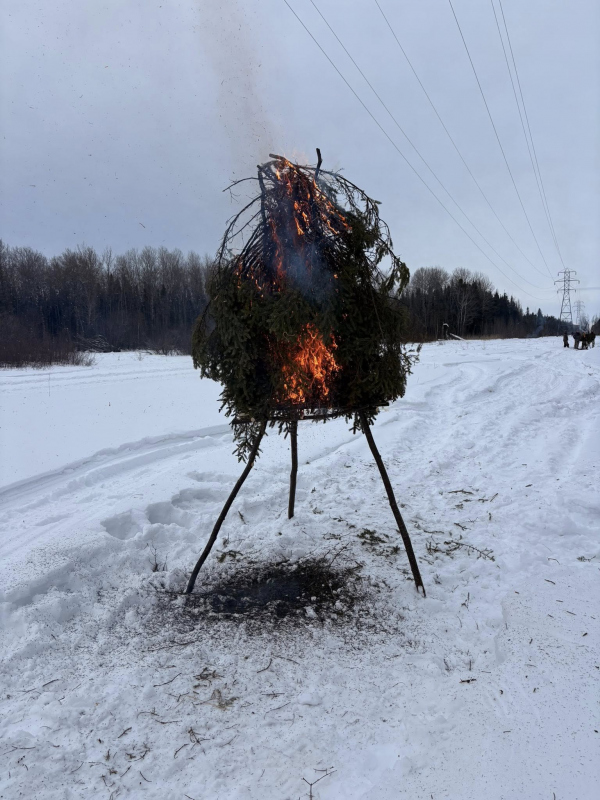
The course itself took place at the training area of the International Canadian School of Survival (I.C.S.O.S.), where participants faced extremely demanding climatic conditions. Temperatures ranged from approximately −5 °C down to −38 °C, with snow cover reaching up to one meter in some areas.
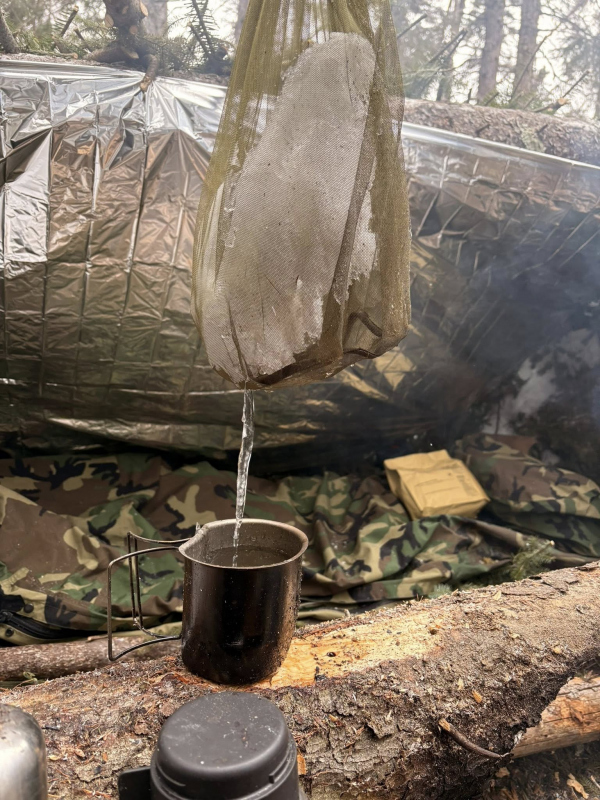
Accommodation was provided in canvas tents heated by wood-burning stoves. However, once the fire went out, the temperature inside the tent quickly matched the outside conditions. This placed high demands not only on the physical resilience of the soldiers, but also on the proper use of equipment and the ability to manage heat effectively.
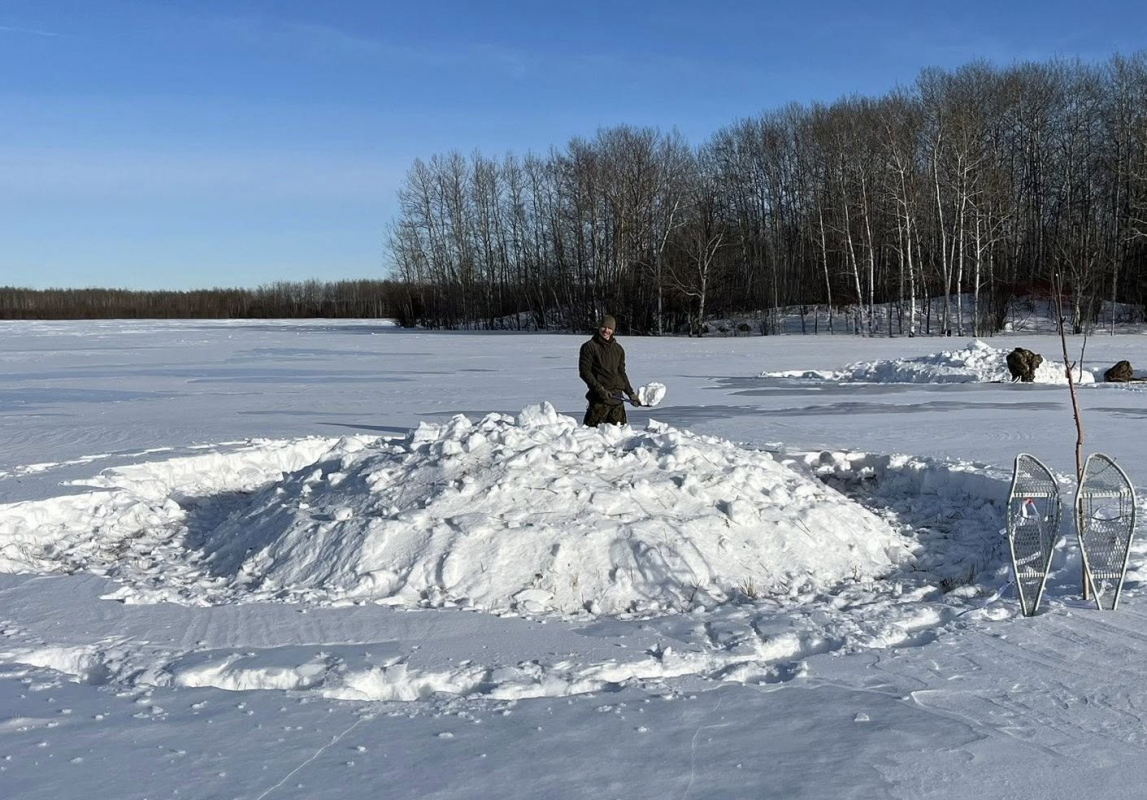
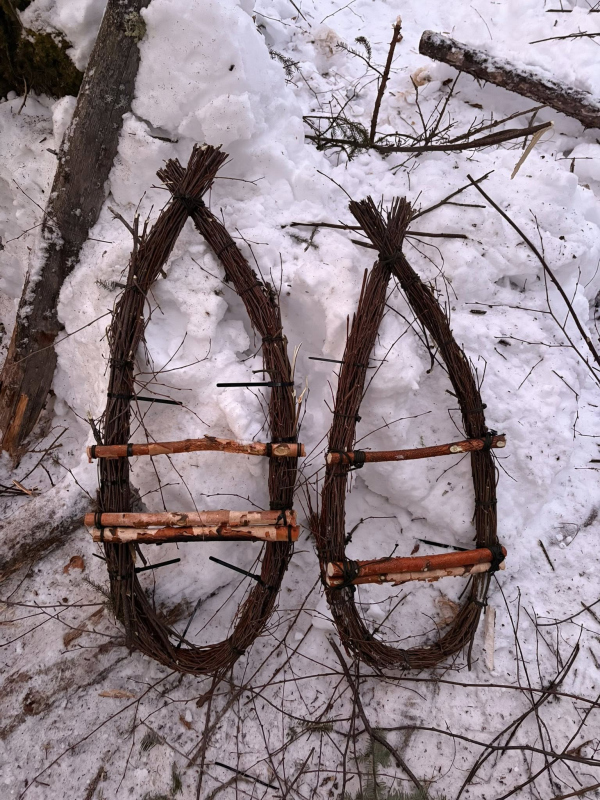
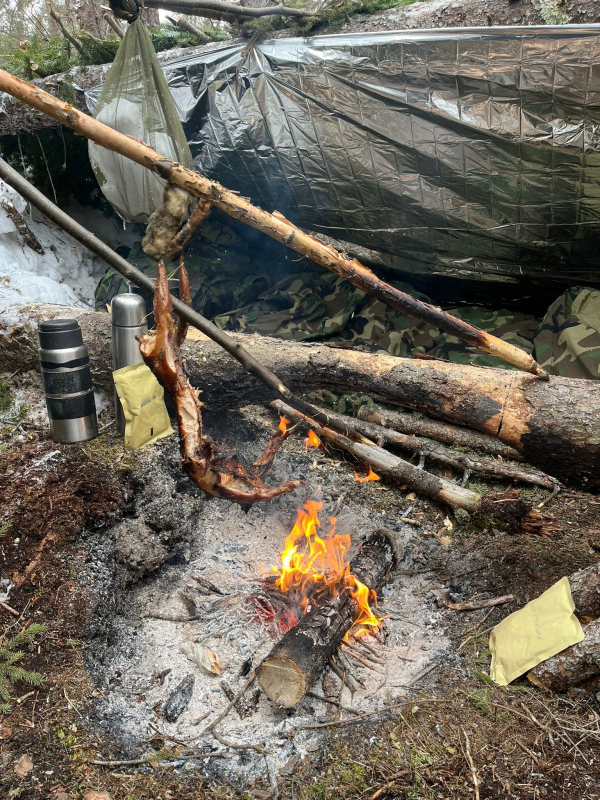
The training also included building improvised shelters from natural materials and snow, such as snow trenches, which provide protection from wind and help retain heat even in extreme temperatures.
Controlled ice breakthrough
One of the most demanding parts of the course was the ICEBREAKING discipline-a controlled fall through ice, simulating a situation in which a soldier breaks through into icy water while moving in a winter environment.
Participants had approximately one minute to regain control of their breathing, followed by a maximum of ten minutes to exit the water. They then had to quickly cover a distance of around 100 meters to reach warmth in order to prevent hypothermia. This exercise tested the soldiers’ ability to remain calm in a critical situation and respond rapidly to an immediate life-threatening threat.
Evasion phase
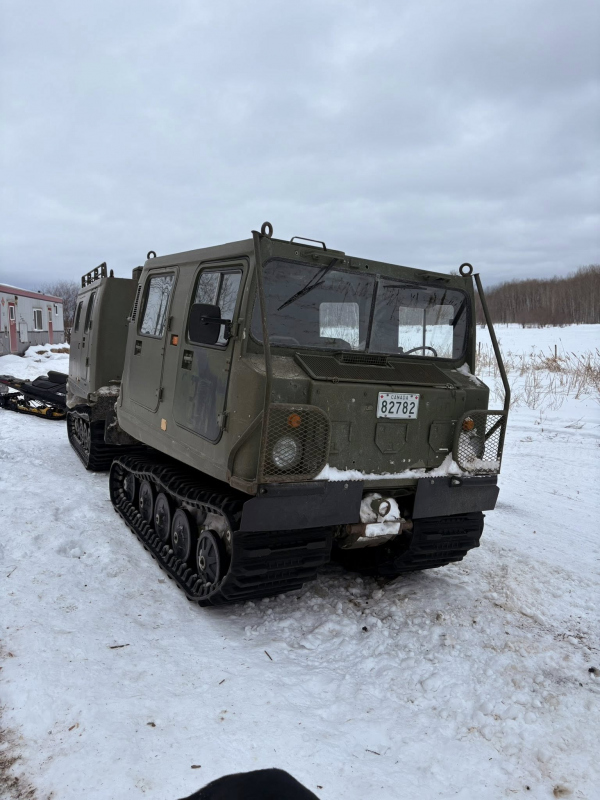
The culmination of the course was the evasion phase, during which participants, operating in small groups, had to escape pursuit. Members of the Royal Canadian Mounted Police (RCMP) were involved in the search, using service dogs and unmanned systems.
At the same time, soldiers had to avoid hostile patrols operating on snowmobiles and on foot. Success in this phase depended on the ability to move covertly, navigate terrain with minimal reference points, and cooperate effectively within the team.
Prepared for the harshest conditions
The SERE Extreme Cold Weather Course is among the most demanding specialized training programs focused on survival in winter environments. The experience gained helps soldiers cope with situations in which they may become isolated in hostile or inhospitable conditions.
Training in the Canadian taiga thus represented not only a physical and psychological challenge, but above all a valuable opportunity to expand capabilities essential for operating in extreme climatic environments.