- 4.3.2026
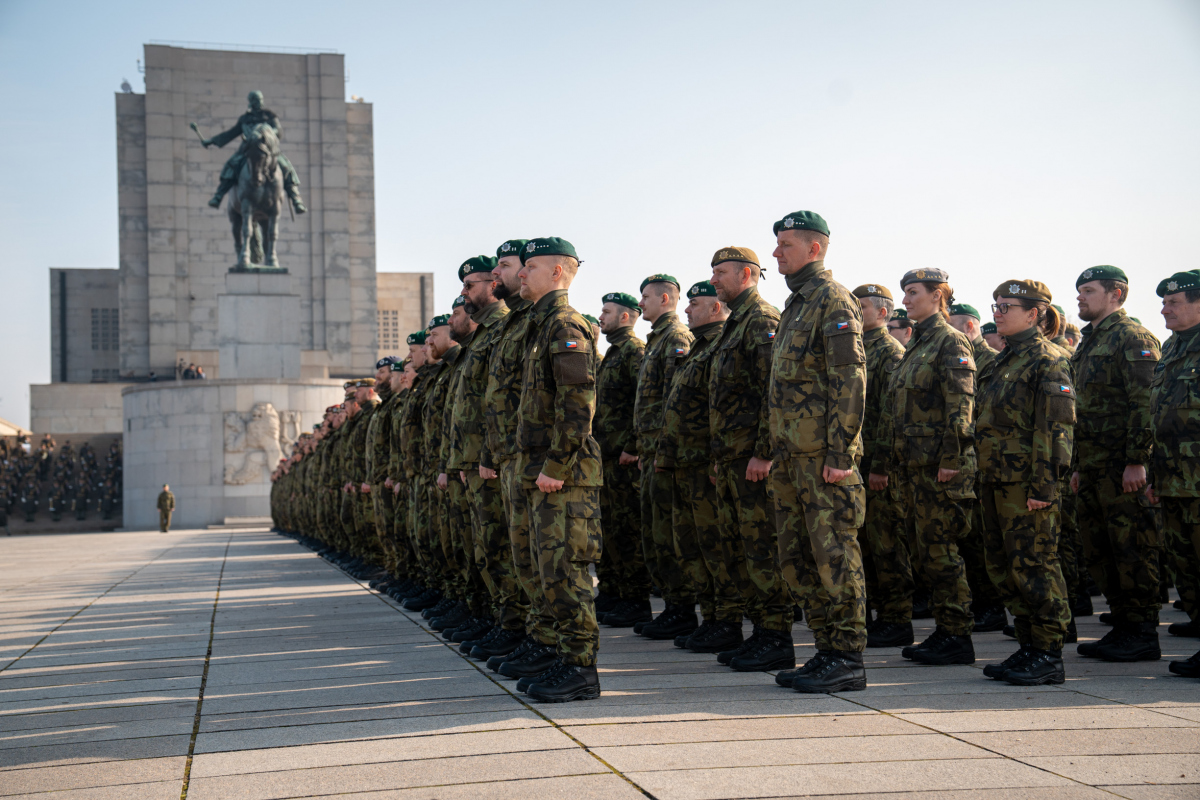
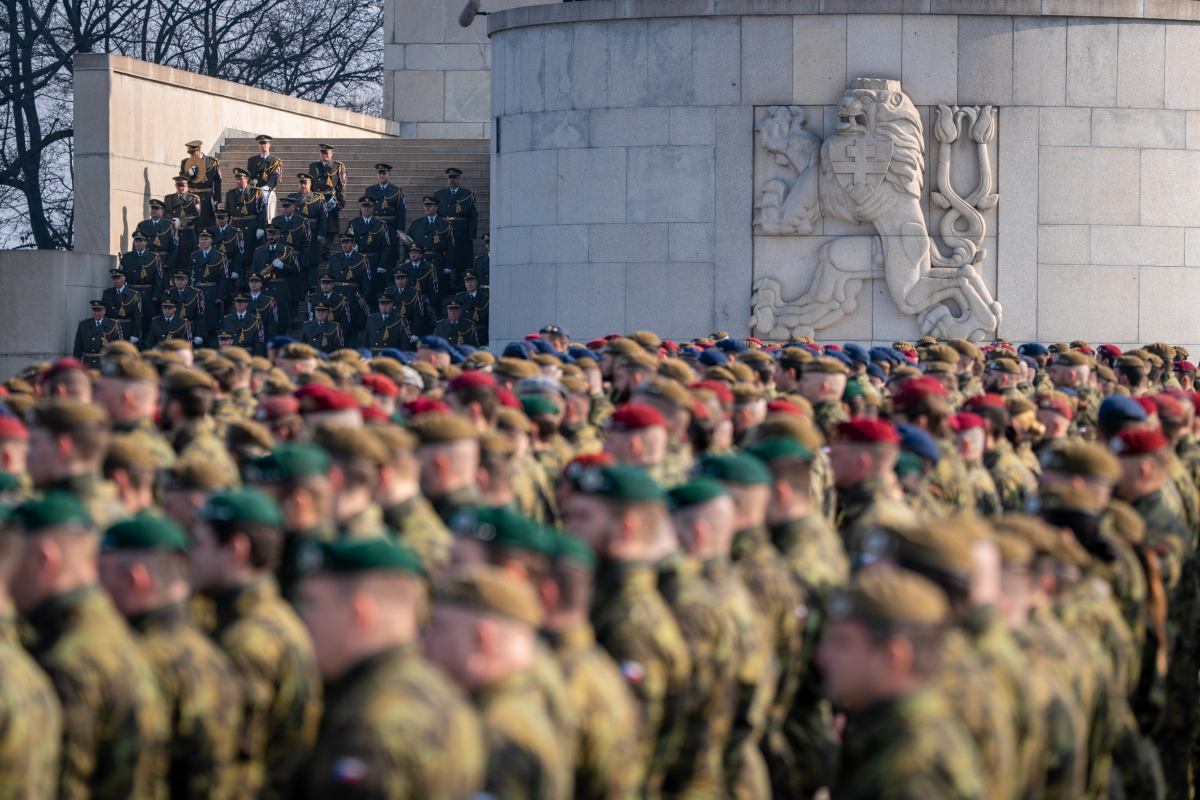
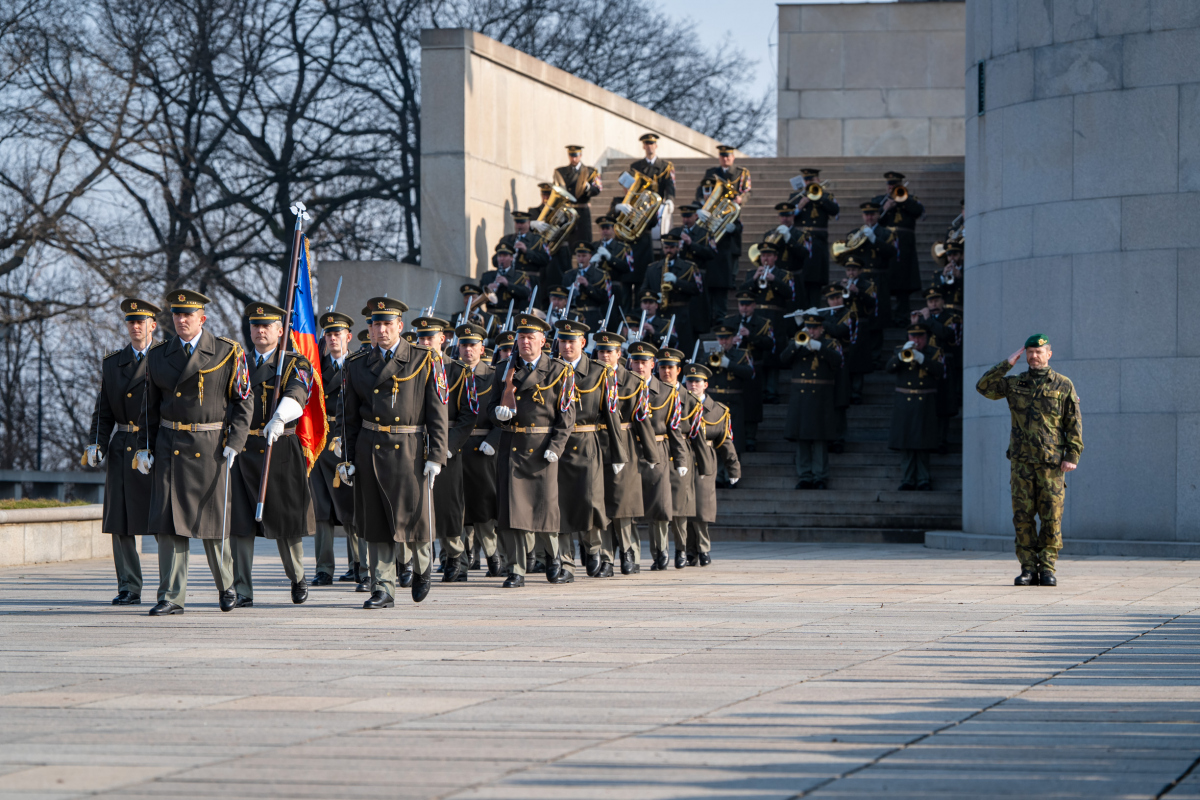
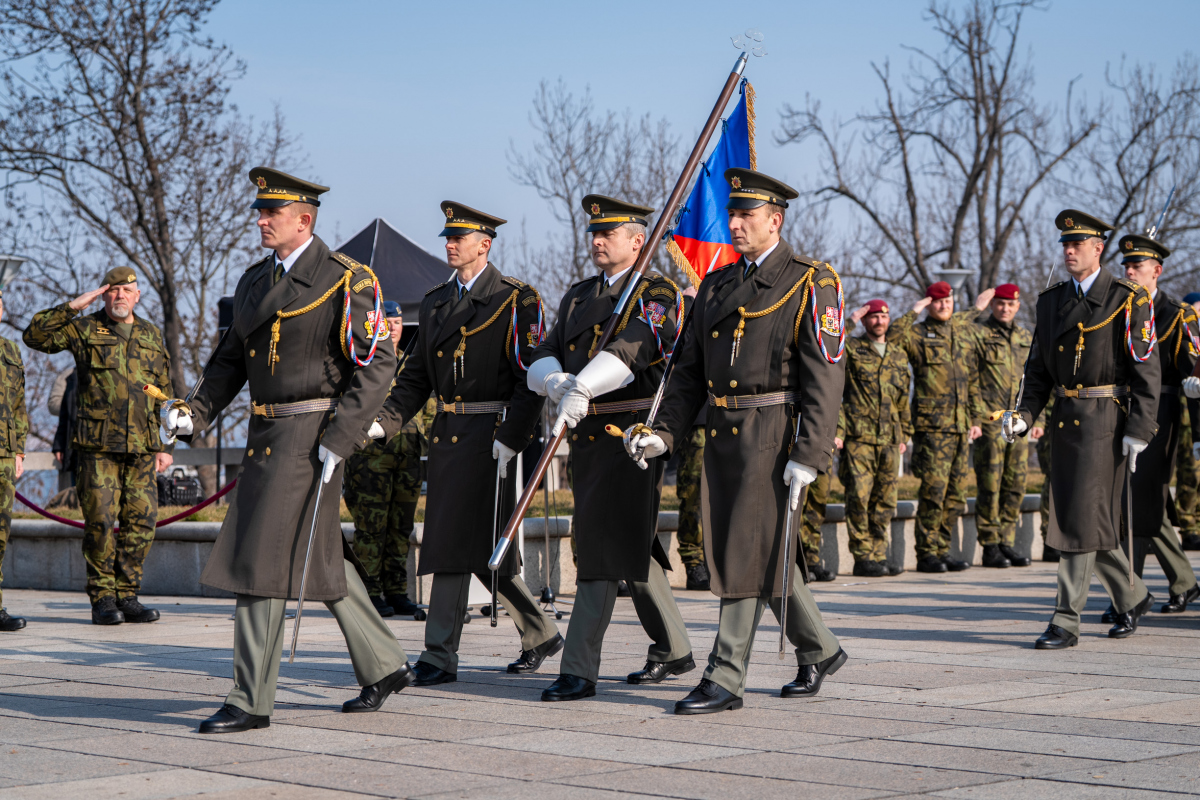
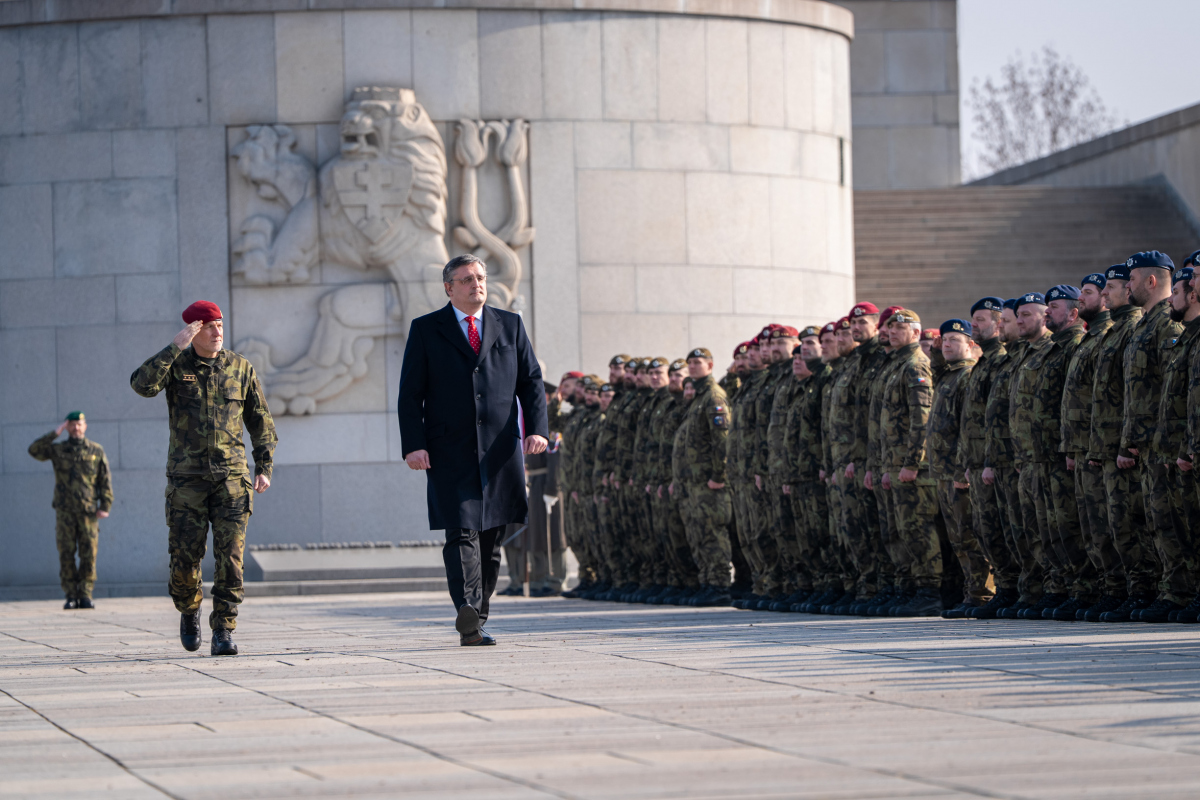
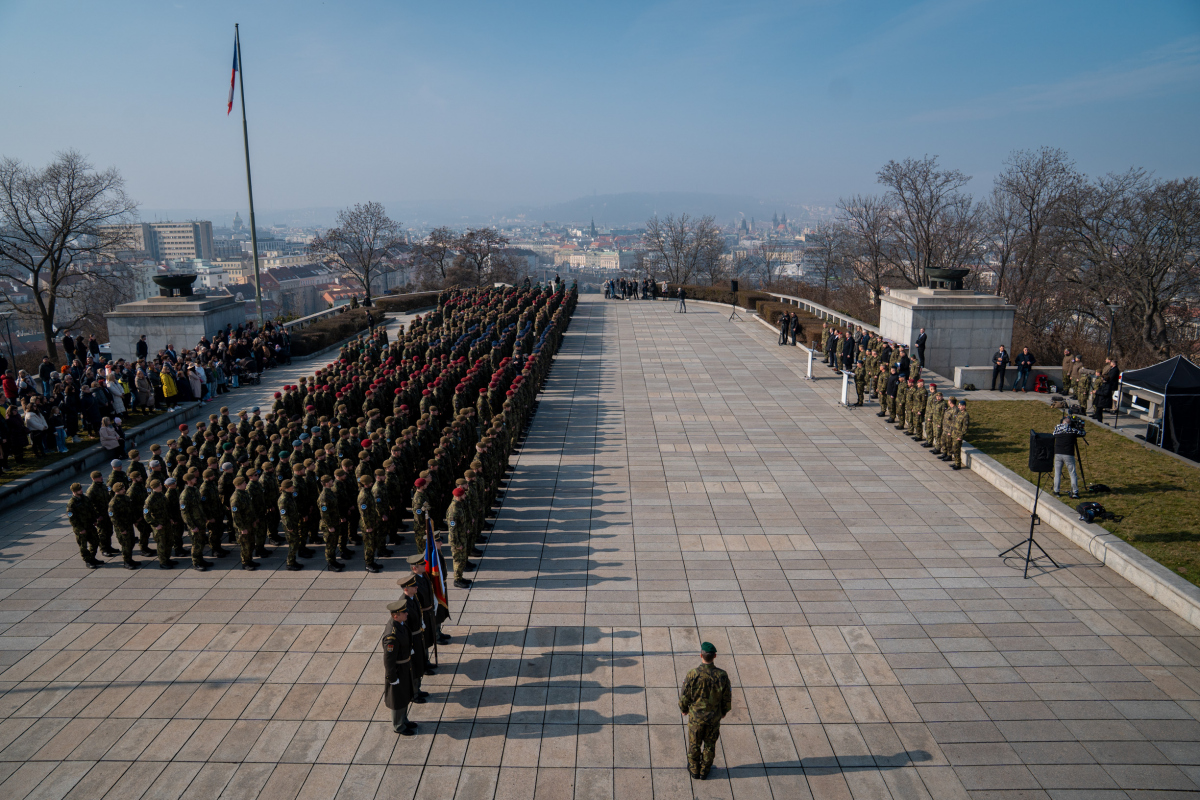
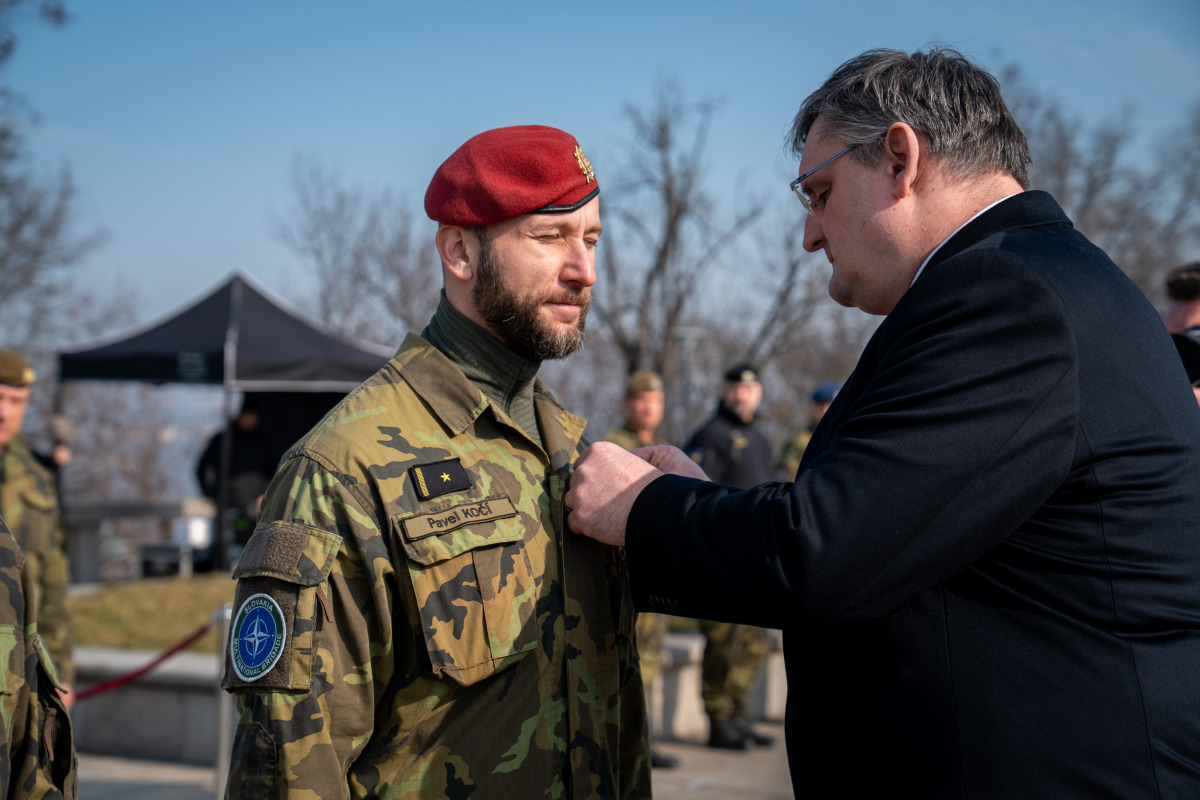
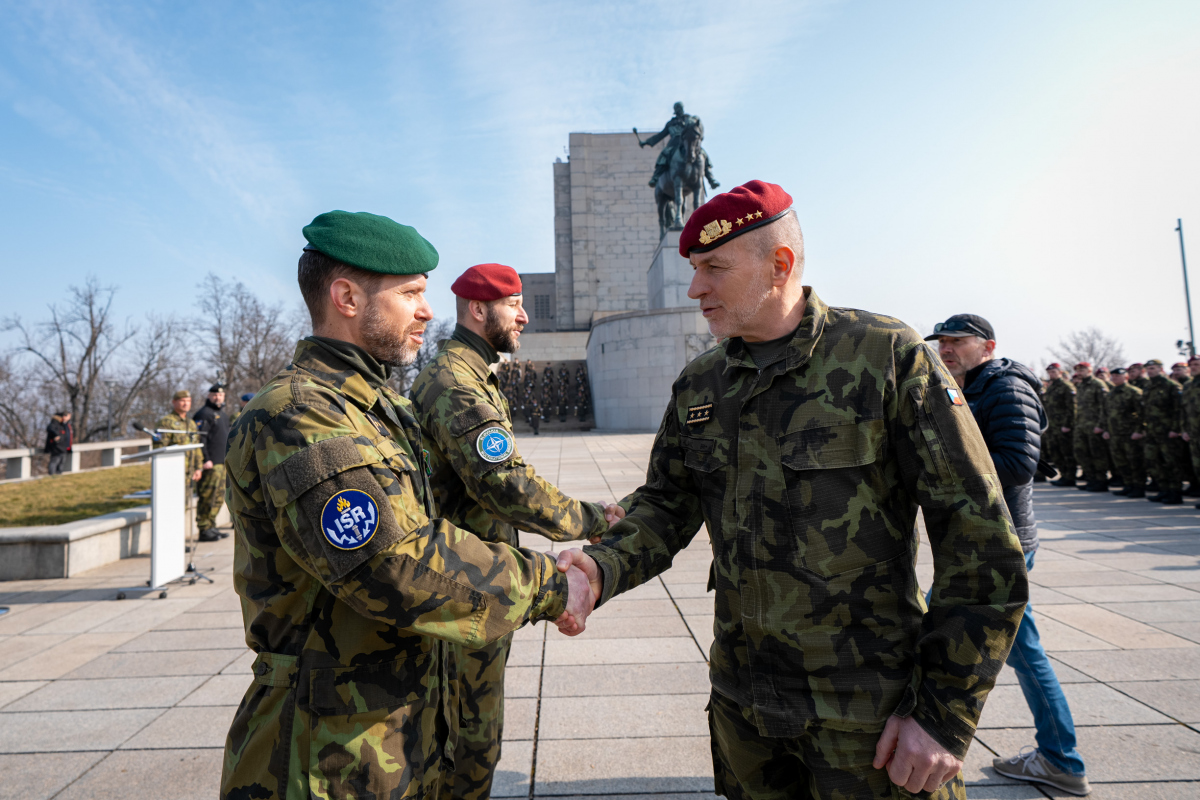
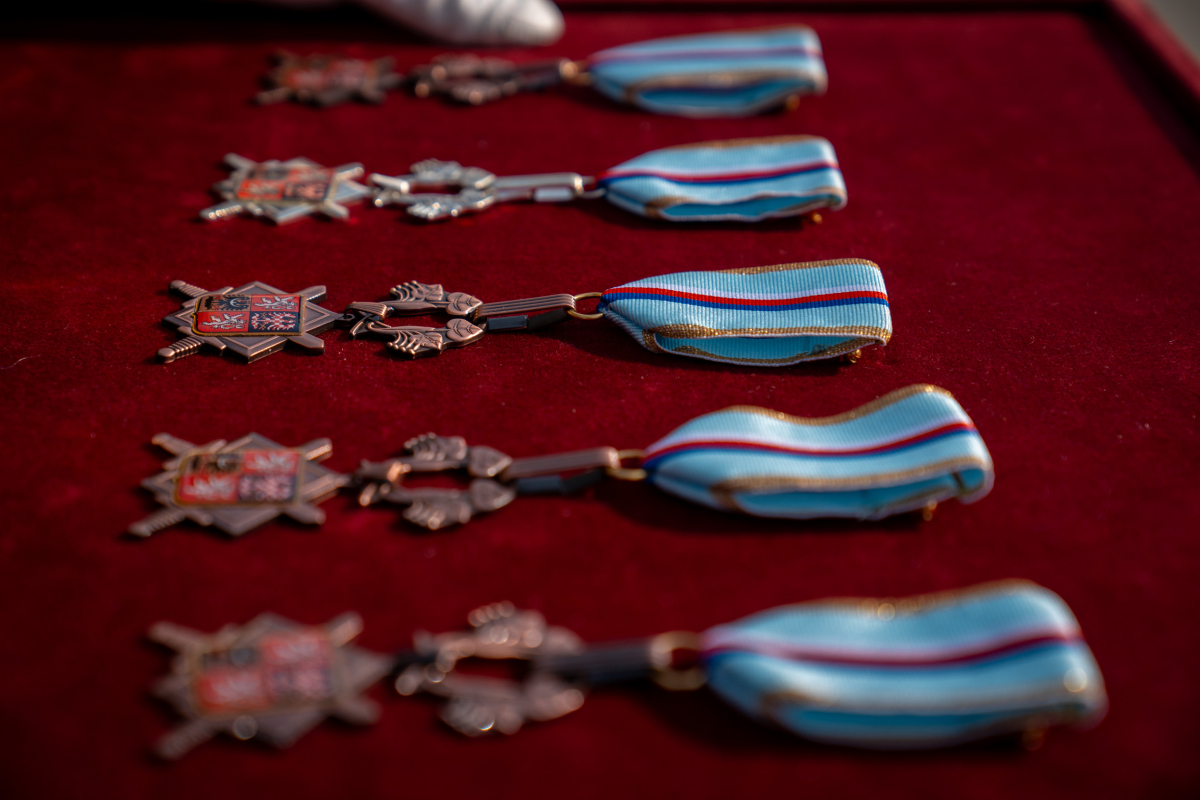
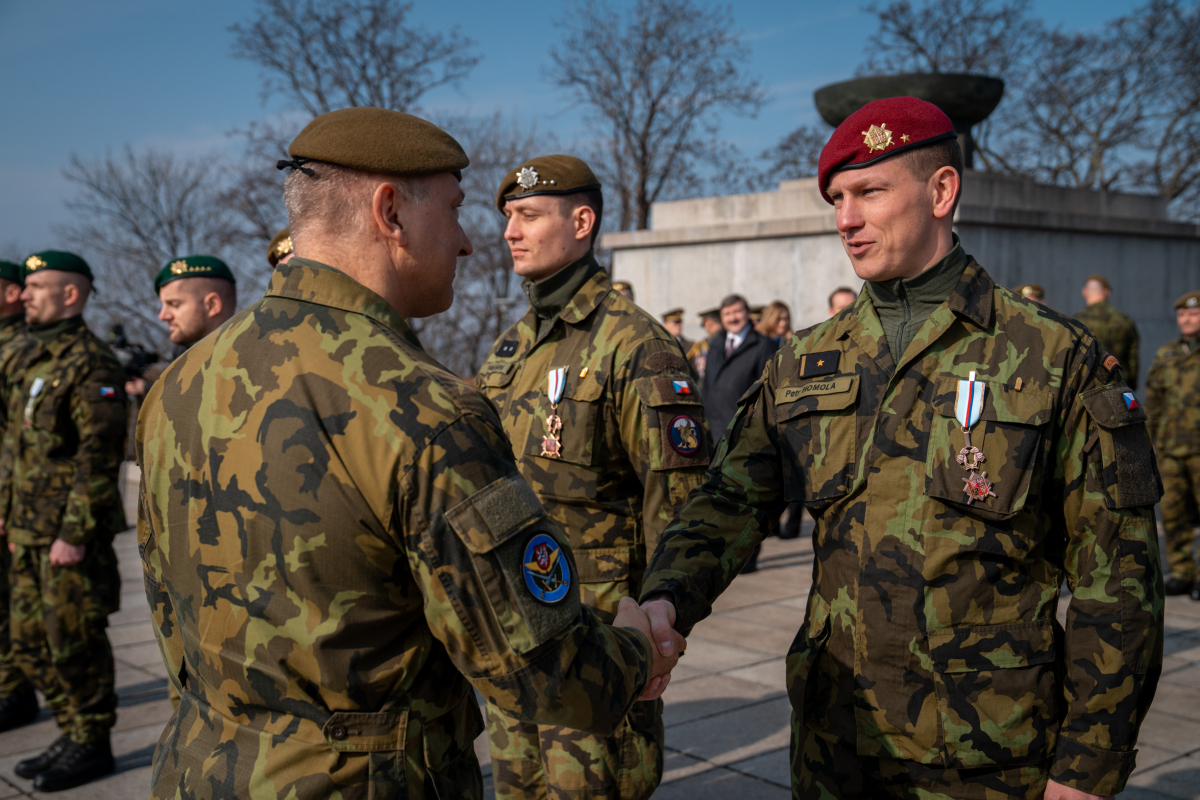
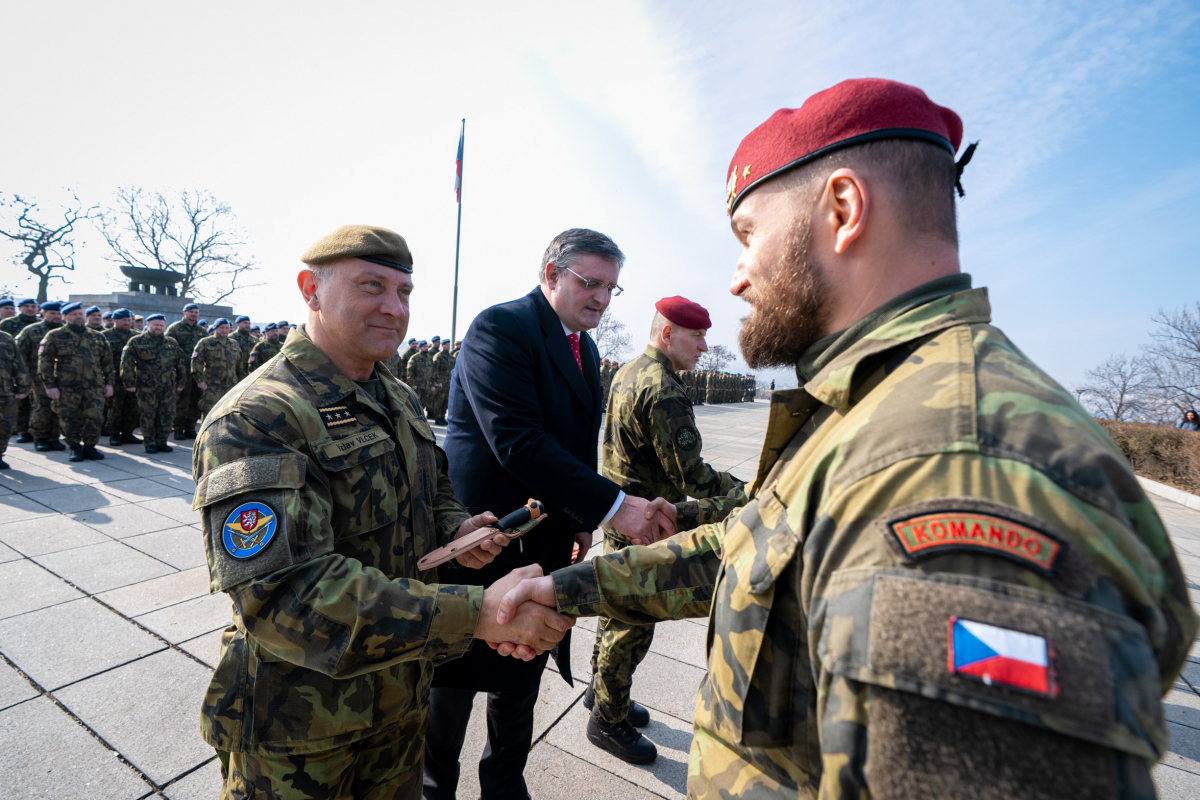
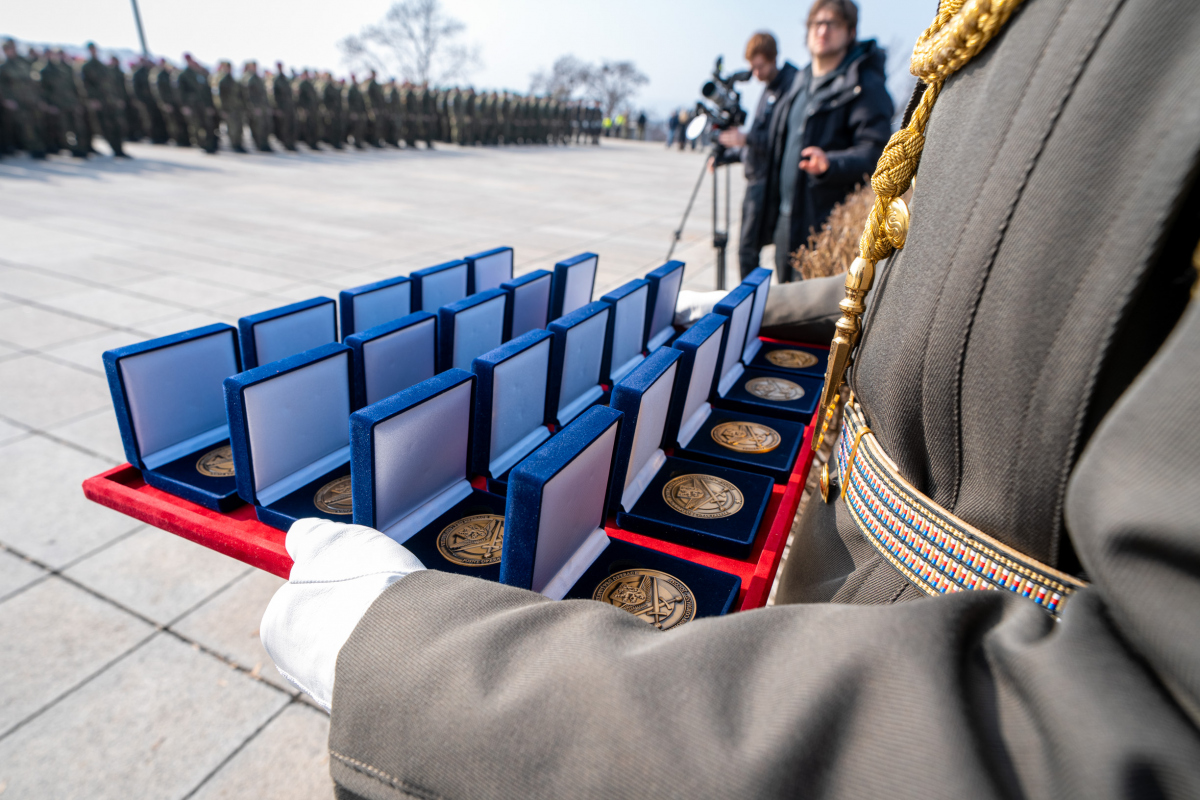
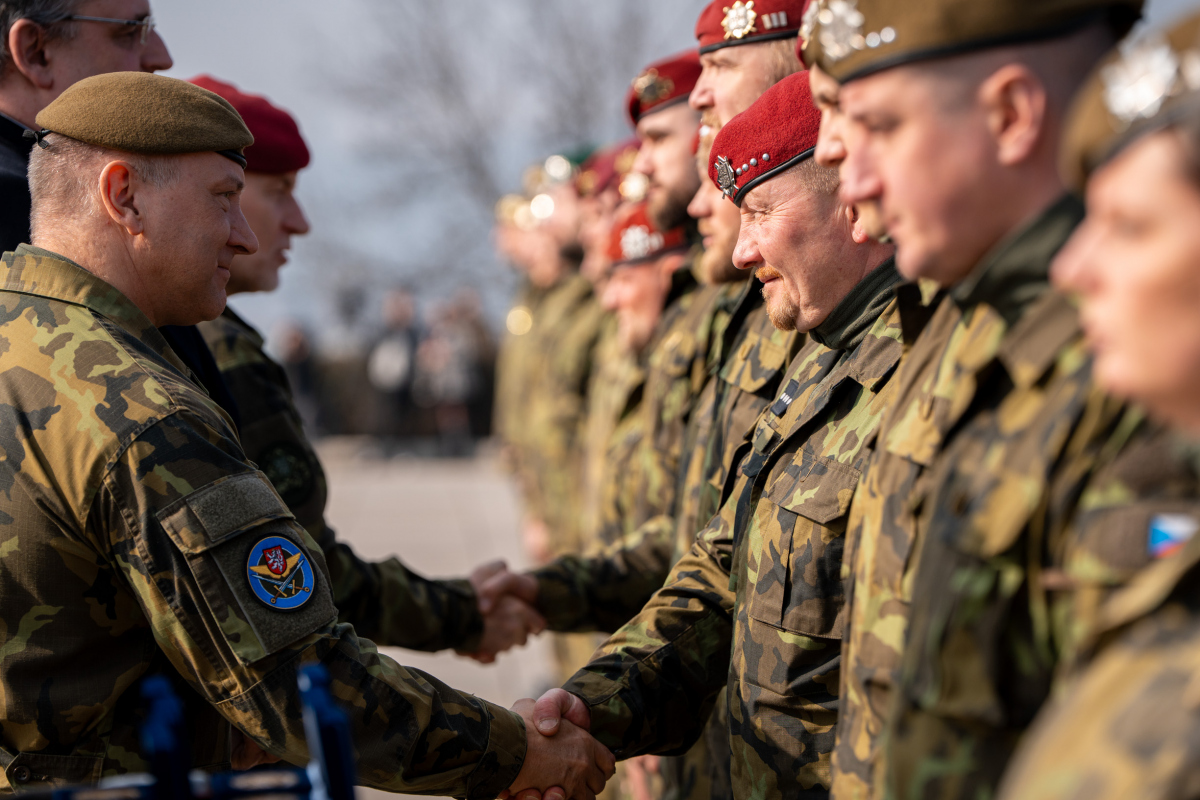
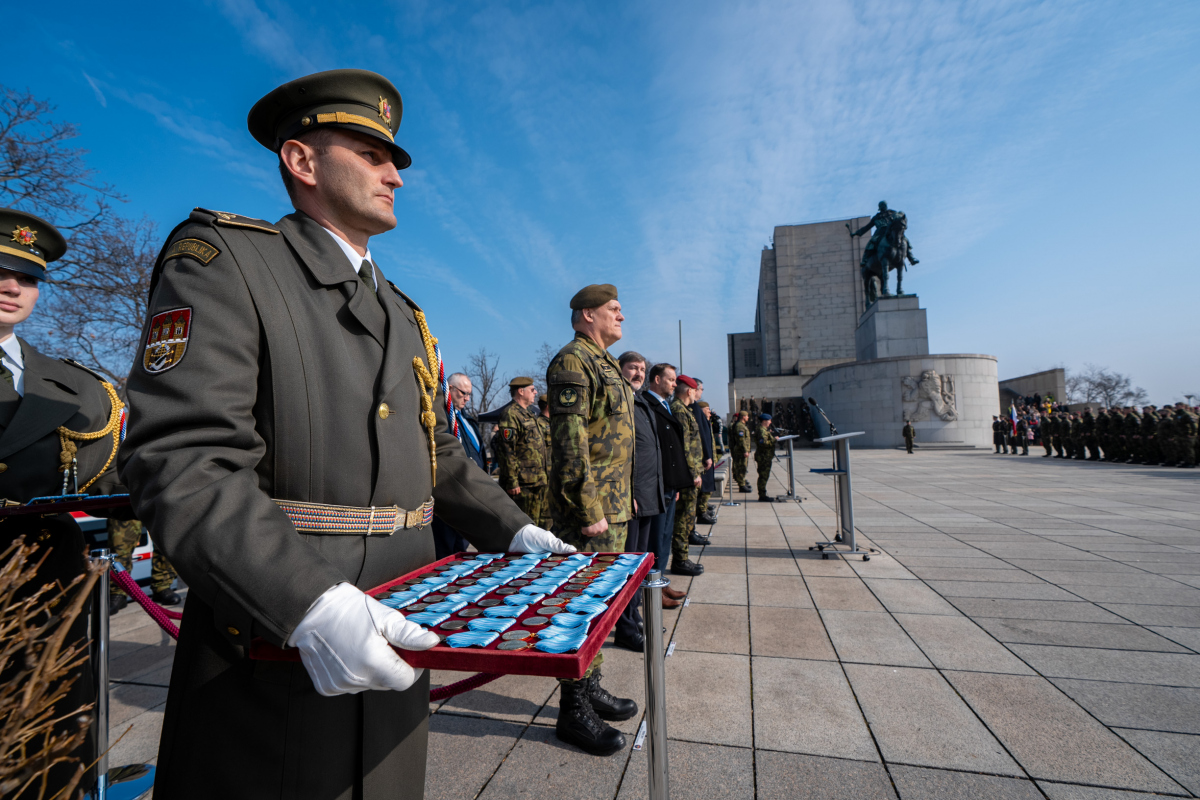
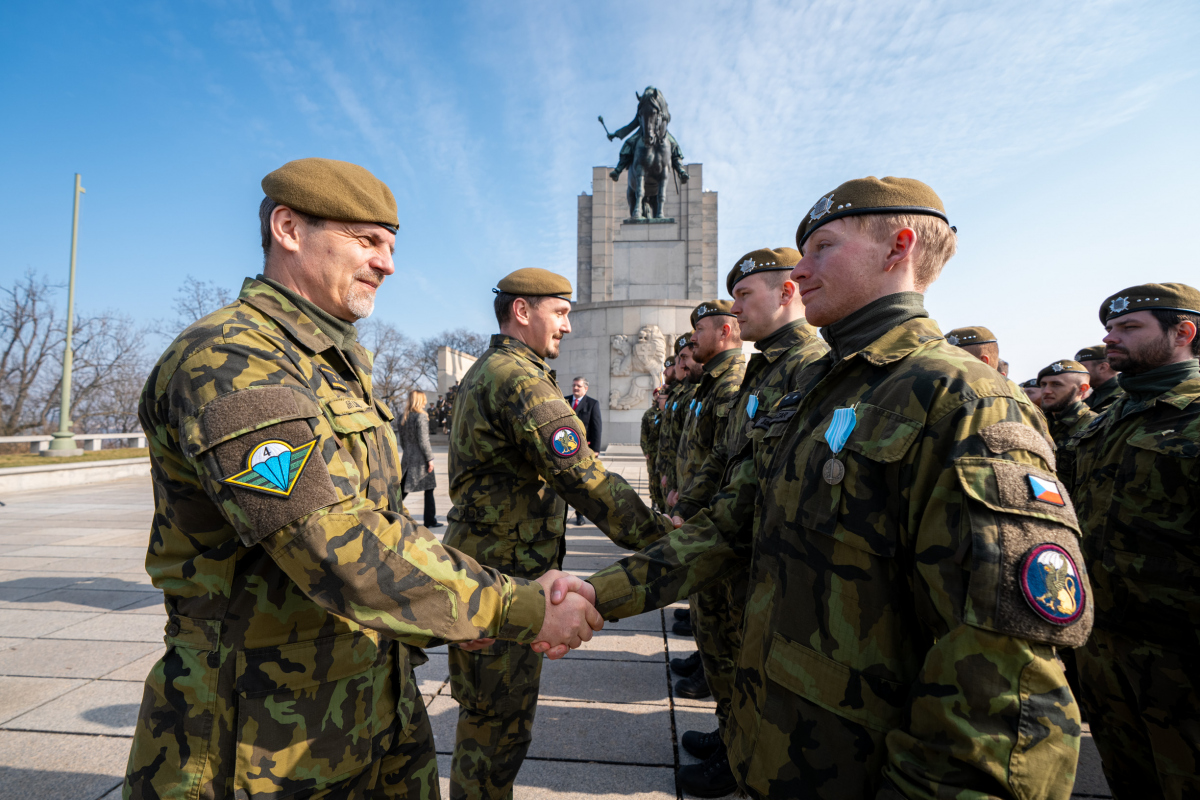
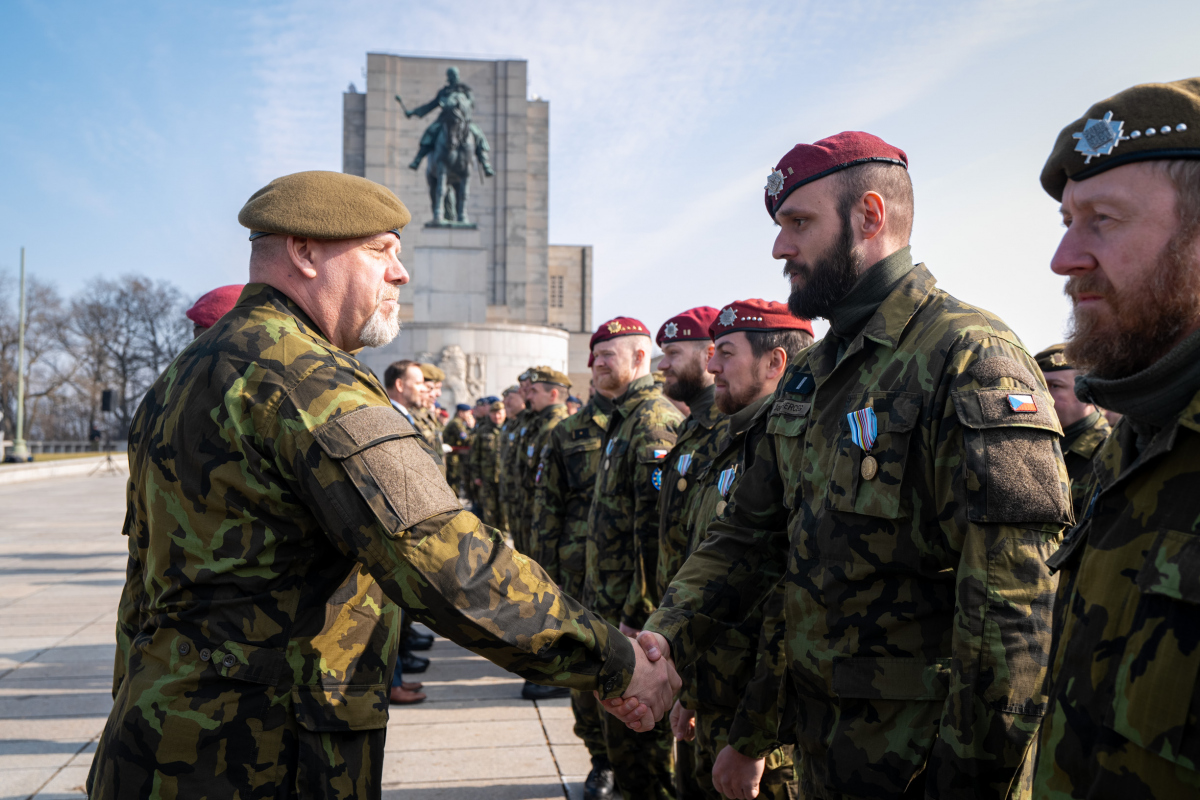
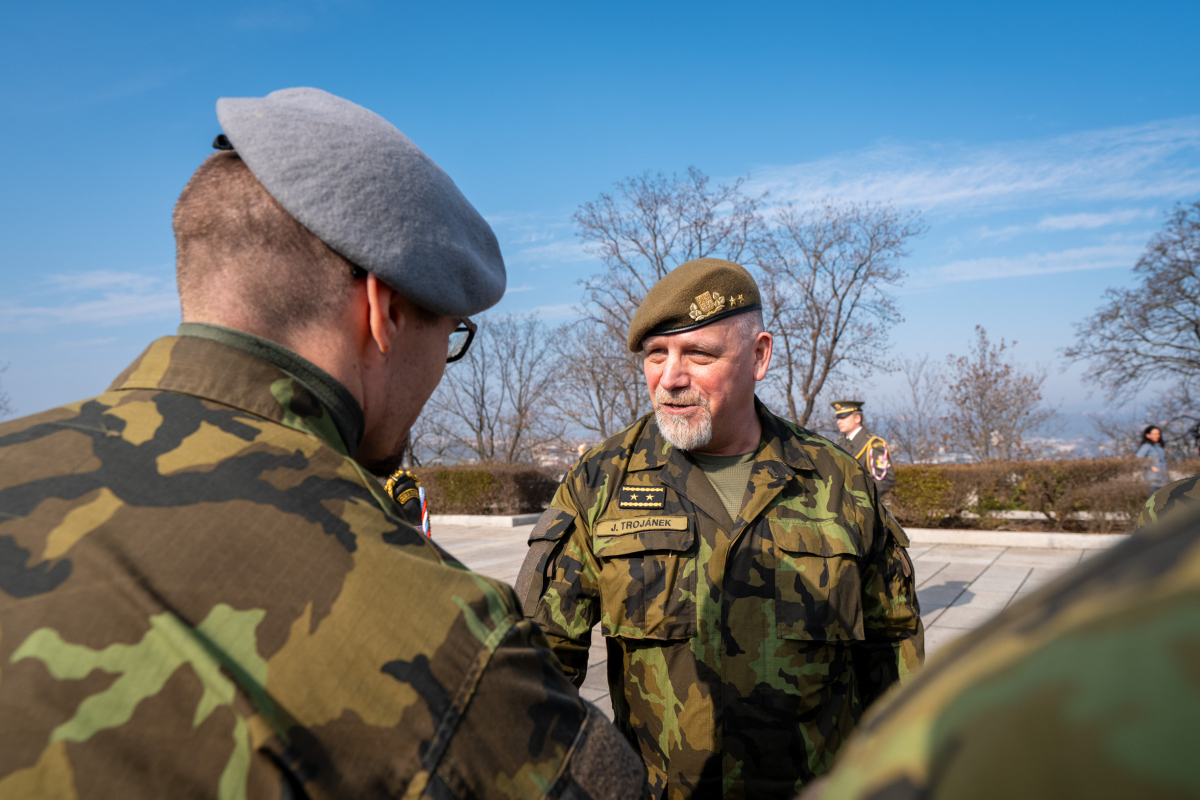
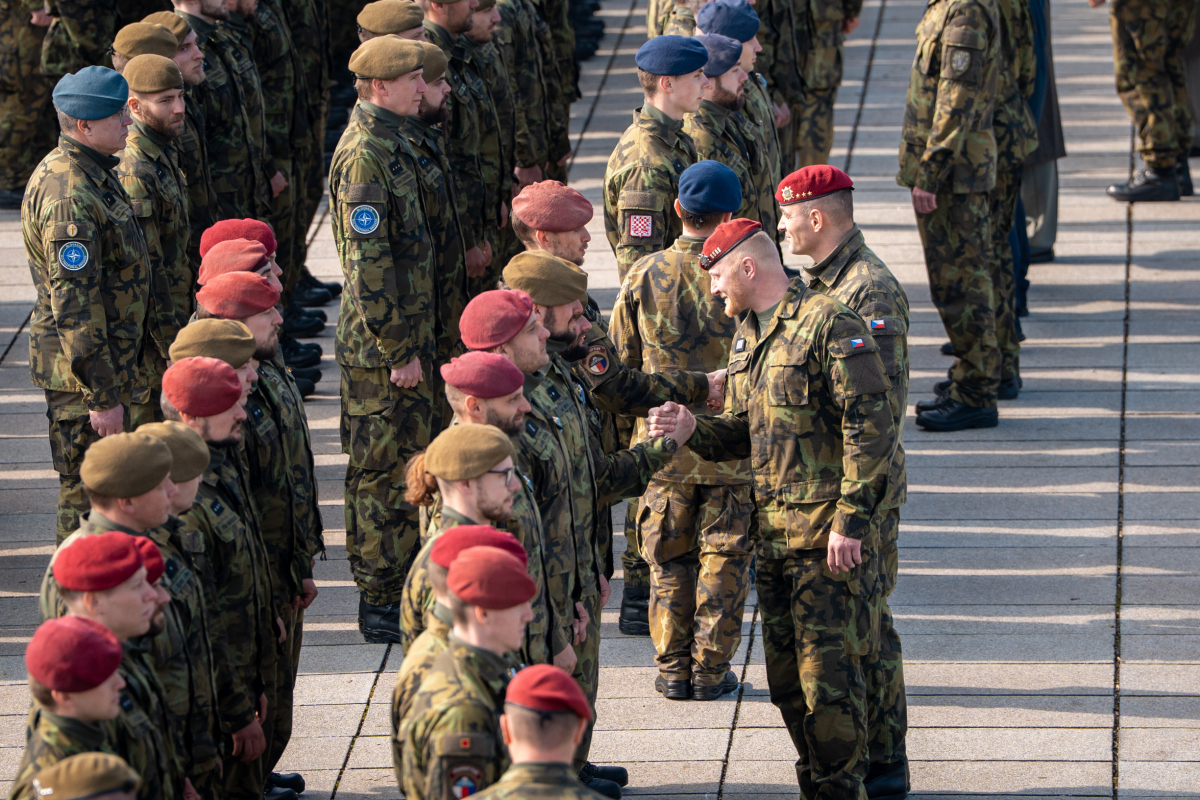
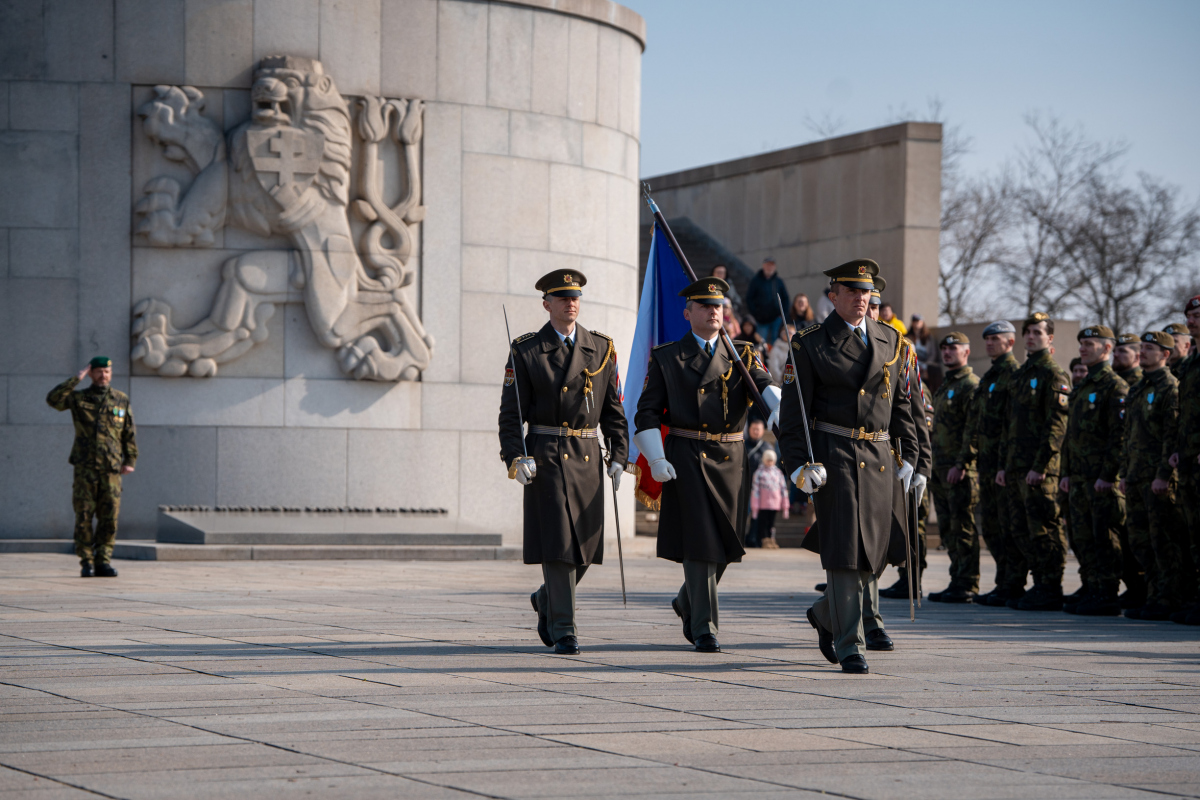
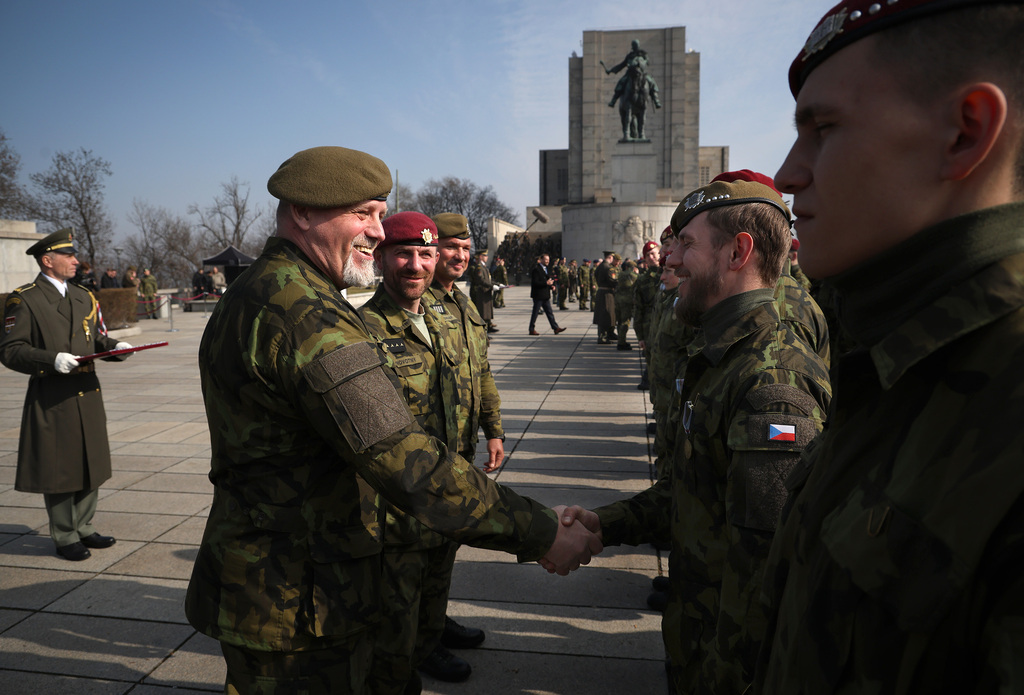
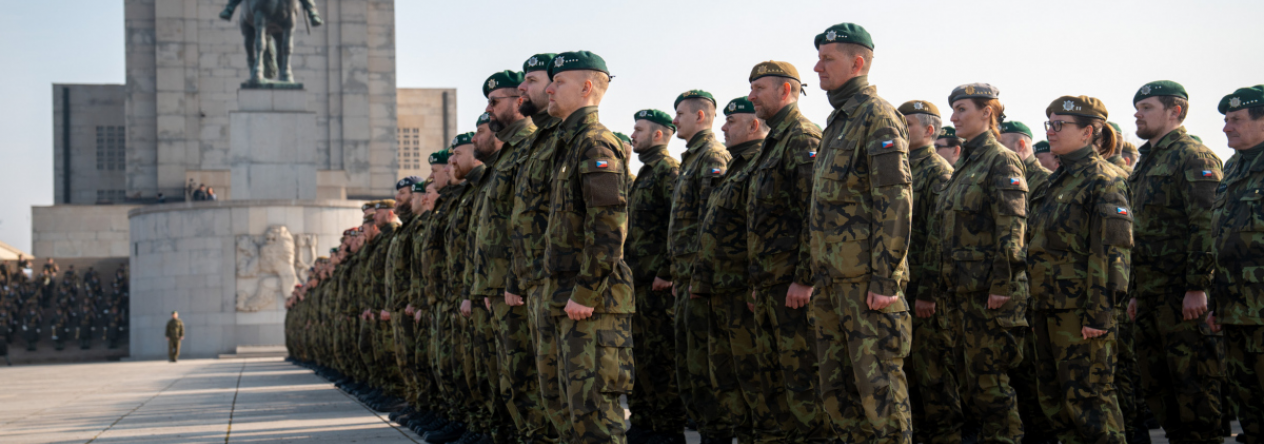
A ceremonial formation of soldiers returning from foreign operations took place at Vítkov in Prague. The event honored Czech service members who had deployed to Bosnia and Herzegovina, Lithuania, Latvia, Poland, Slovakia, and Germany. Nearly seven hundred of them received awards for their service in missions conducted under the auspices of NATO and the European Union.
The soldiers were welcomed in the Ceremonial Courtyard of the National Memorial at Vítkov by Deputy Minister of Defence René Schreier. In his address, he thanked them for representing the Czech Republic in international operations.
“Whether you served in Allied operations in Slovakia, Poland, Lithuania, or Latvia, or in European Union missions in Bosnia and Herzegovina, Poland, or Germany, you have consistently demonstrated reliability and a high level of professionalism to our partners,” he said. He also emphasized the importance of thorough preparation and the experience gained during deployments, which soldiers carry forward into their continued service in the Armed Forces of the Czech Republic.
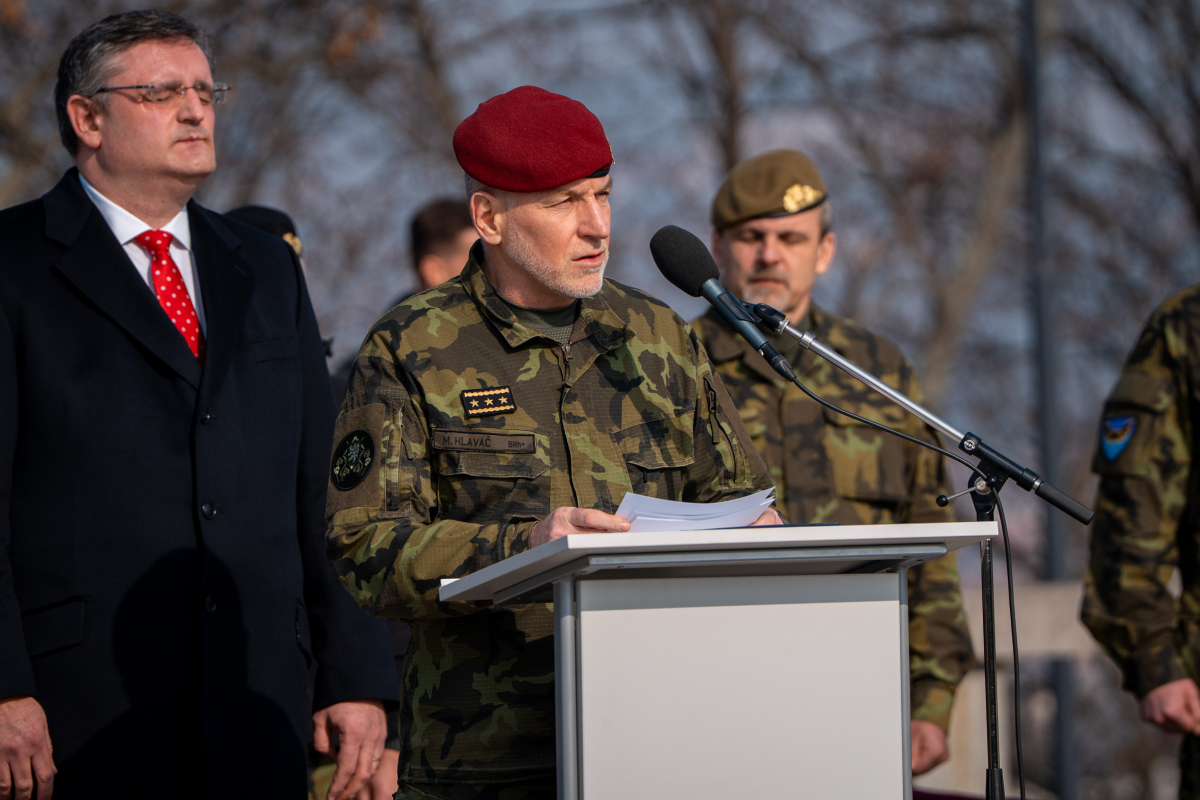
He was followed by the First Deputy Chief of the General Staff of the Czech Armed Forces, Lieutenant General Miroslav Hlaváč, who highlighted the long-term importance of foreign operations for the standing of the Czech military among its allies.
“Through your service abroad, you have demonstrated your readiness. That is precisely why our allies consider us a reliable partner. Their trust is not a given—it is the result of your service,” he stated.
He also recalled the 30th anniversary of the first NATO-led mission in Bosnia and Herzegovina and the path the Czech Armed Forces have taken since then. “At that time, we were proving whether we could succeed. Today, we are a confident part of the Alliance, fulfilling the most demanding tasks. Every deployment abroad contributes not only to regional stability but also to the security of the Czech Republic,” he emphasized.
Security of the Czech Republic does not begin at its borders
“The Operations Command is responsible for planning, preparing, and deploying Czech soldiers in foreign missions. Their activities contribute to the stabilization of crisis areas, limit the spread of security threats, and strengthen the defence capabilities of the Czech Republic far beyond its borders,” explained the Commander of the Operations Command, Lieutenant General Václav Vlček.
He also stressed the crucial role of deterrence. “Deterrence is essential to prevent crises from escalating into open armed conflict and to maintain a safe and stable environment across NATO territory and within the Czech Republic over the long term,” he added. The deployment of Czech Armed Forces personnel abroad thus contributes to stabilizing crisis regions, reducing security threats, and strengthening national defence.
From the Baltics through Poland to Slovakia
In Lithuania, a Czech Armed Forces task force operated with its core formed by soldiers of the 31st Regiment of Radiological, Chemical and Biological Protection from Liberec. Under German command within a multinational formation, they provided capabilities in radiological and chemical reconnaissance as well as decontamination of personnel, equipment, and materiel. Czech specialists also contributed to expert training of allied forces in the field of CBRN protection (chemical, biological, radiological, and nuclear).
Providing situational awareness in the area of operations in Latvia was the primary task of specialists from the 53rd Reconnaissance and Electronic Warfare Regiment based in Opava, reinforced by members of the Active Reserve. A key part of their deployment was joint training with allied partners within a multinational brigade under Canadian leadership.
The Alliance’s airspace in eastern Poland was secured by personnel of the 3rd Helicopter Unit from the 22nd Helicopter Air Base in Náměšť nad Oslavou. They were integrated into NATO’s Integrated Air and Missile Defence System (NATINAMDS). The unit was deployed by government decision immediately following the incursion of Russian drones into Polish airspace, serving as a signal of NATO unity and cohesion.
In Slovakia, soldiers of the 7th Czech Armed Forces Task Group formed part of a NATO multinational brigade under Spanish command. The mechanized unit was built around the 41st Mechanized Battalion from Žatec. The Czech Armed Forces were represented within the multinational brigade and battalion headquarters, the national support element, as well as a forward-deployed mechanized company.
Under the EU flag in Poland, Germany, and Bosnia and Herzegovina
Czech mobile training teams, composed primarily of soldiers from the 43rd Airborne Regiment in Chrudim along with specialists from across the armed forces, contributed throughout the year to the training of Ukrainian soldiers in Poland and Germany. Under the European Union Military Assistance Mission in support of Ukraine, their activities focused on enhancing the professional capabilities of the Ukrainian Armed Forces across several specialized areas. The training targeted both newly recruited soldiers and Ukrainian instructors, who subsequently pass on their knowledge to their fellow service members.
In 2025, the Czech Armed Forces contributed to the European Union mission EUFOR ALTHEA in Bosnia and Herzegovina through the Intermediate Reserve Force. This force serves as an operational reserve designed for rapid deployment in case of a deterioration in the security situation. The unit assigned to the IRF maintained readiness on Czech territory throughout the year and was prepared to deploy swiftly upon activation. It was activated and deployed to Bosnia and Herzegovina twice, with the first deployment lasting two months and the second one month.
The core of this reserve company consisted of soldiers from the 43rd Airborne Regiment. Czech troops brought a key capability to the IRF structure—Crowd and Riot Control (CRC).
Both the Deputy Minister of Defence and the First Deputy Chief of the General Staff expressed their appreciation to the soldiers for their service, dedication, and representation of the Czech Armed Forces. Lieutenant General Miroslav Hlaváč emphasized the importance of the individual within the military.
“The strength of an army is not measured solely by its equipment and technology. It is determined by people—their expertise, determination, and character. Character is the decisive combat value of any army,” he said, thanking both the soldiers and their families for their support.