Yellow Cross 2026 Tested Allied CBRN Readiness
- 13.7.2026
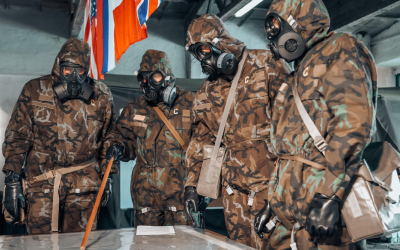
Yellow Cross 2026 tested Czech CBRN specialists as they led a multinational NATO CBRN defence brigade.
The 31st CBRN Defence Regiment specialises in detecting, assessing and responding to chemical, biological, radiological and nuclear hazards.
The 31st CBRN Defence Regiment provides specialist protection against chemical, biological, radiological and nuclear hazards. Such threats can affect military personnel, equipment, terrain and civilian populations. The regiment’s role is to help commanders understand the hazard, take protective measures and restore operational capability where possible.
CBRN specialists conduct reconnaissance, monitoring and sampling in potentially hazardous environments. Information about a threat must reach decision-makers quickly and accurately. Detection and warning help units adapt their activities and reduce unnecessary exposure.
A response may require the decontamination of personnel, equipment or selected areas. These activities demand specialist equipment, carefully trained teams and coordination with medical, logistical and operational elements. CBRN defence is not a standalone activity: it supports the ability of other formations to continue functioning under challenging conditions.
The regiment trains with NATO partners to strengthen interoperability and the exchange of expertise. Its skills are also relevant in support of national authorities when specialised assistance is required. The central task is consistent across these settings: assess hazardous conditions and support informed, protective action.
Yellow Cross 2026 tested Czech CBRN specialists as they led a multinational NATO CBRN defence brigade.

