- 13.7.2026
Czech CBRN defence specialists, together with allies from five other nations, practised commanding a multinational chemical, biological, radiological and nuclear defence brigade in Liberec. The international command-post exercise Yellow Cross 2026 tested their ability to assess CBRN threats, coordinate subordinate units and provide specialist support to an Allied command during a demanding military operation.
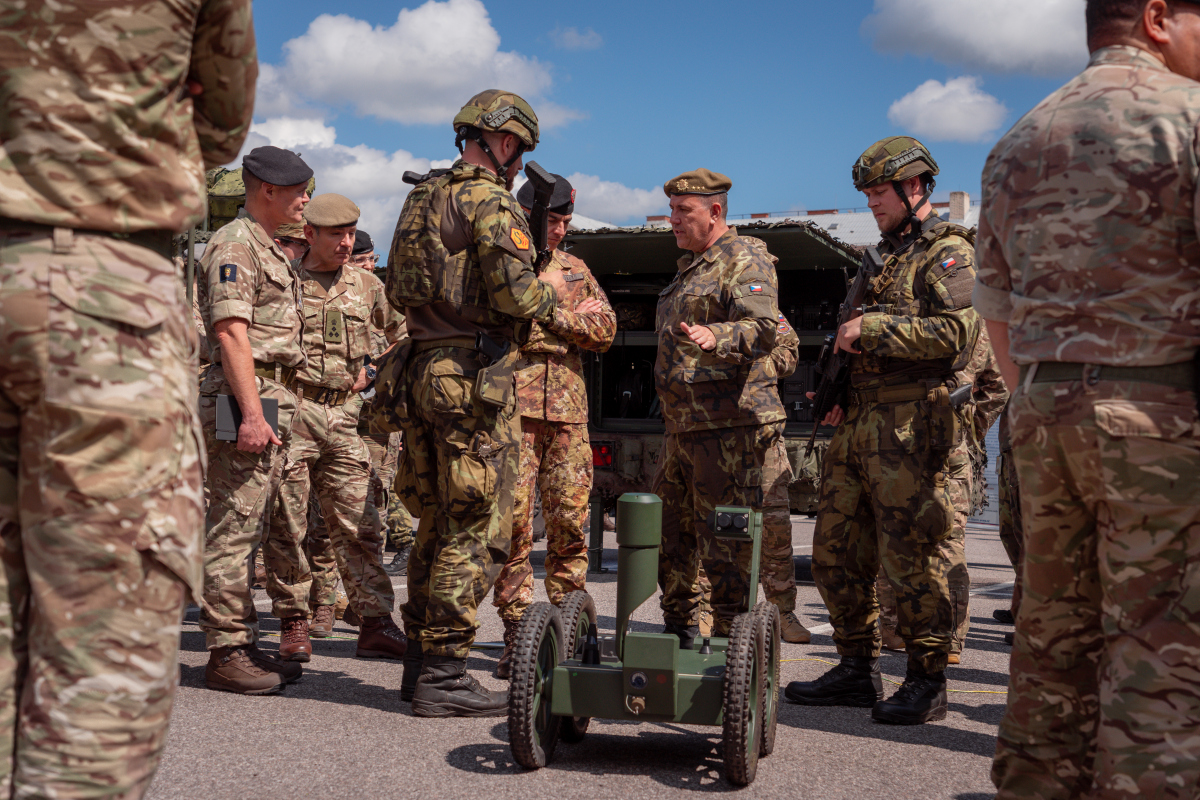
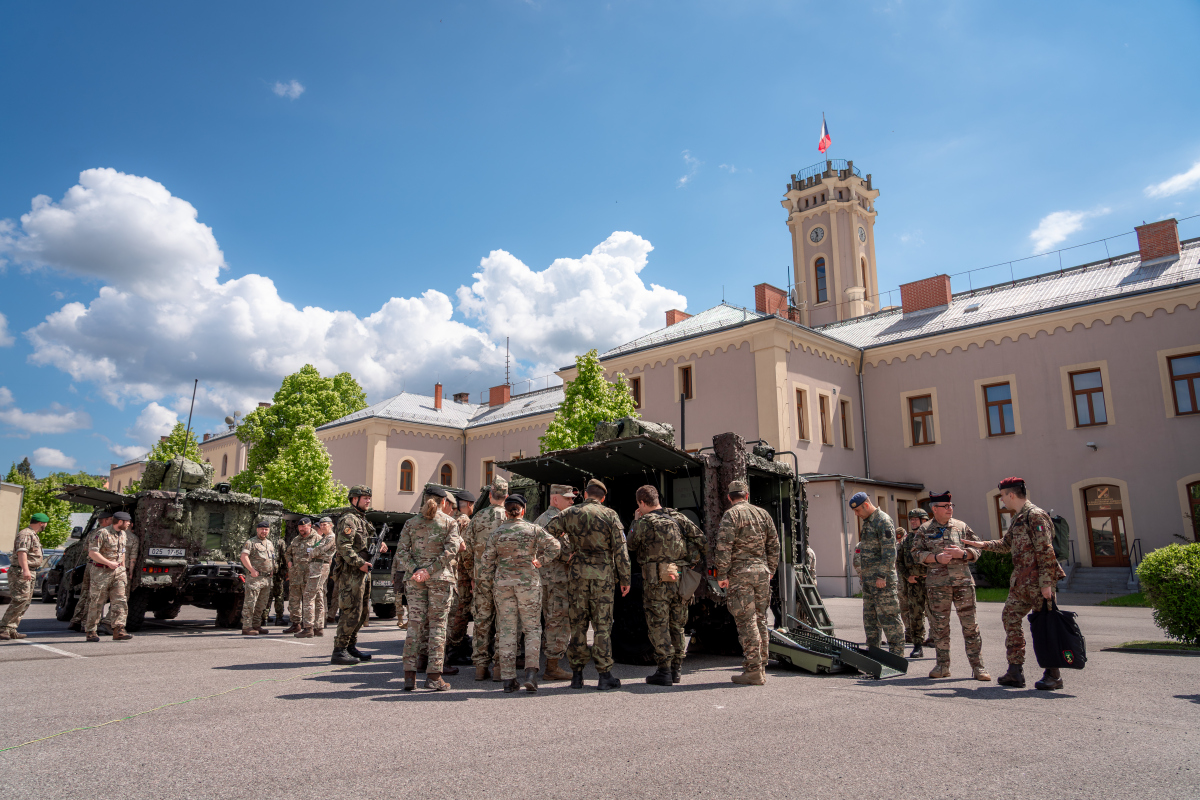
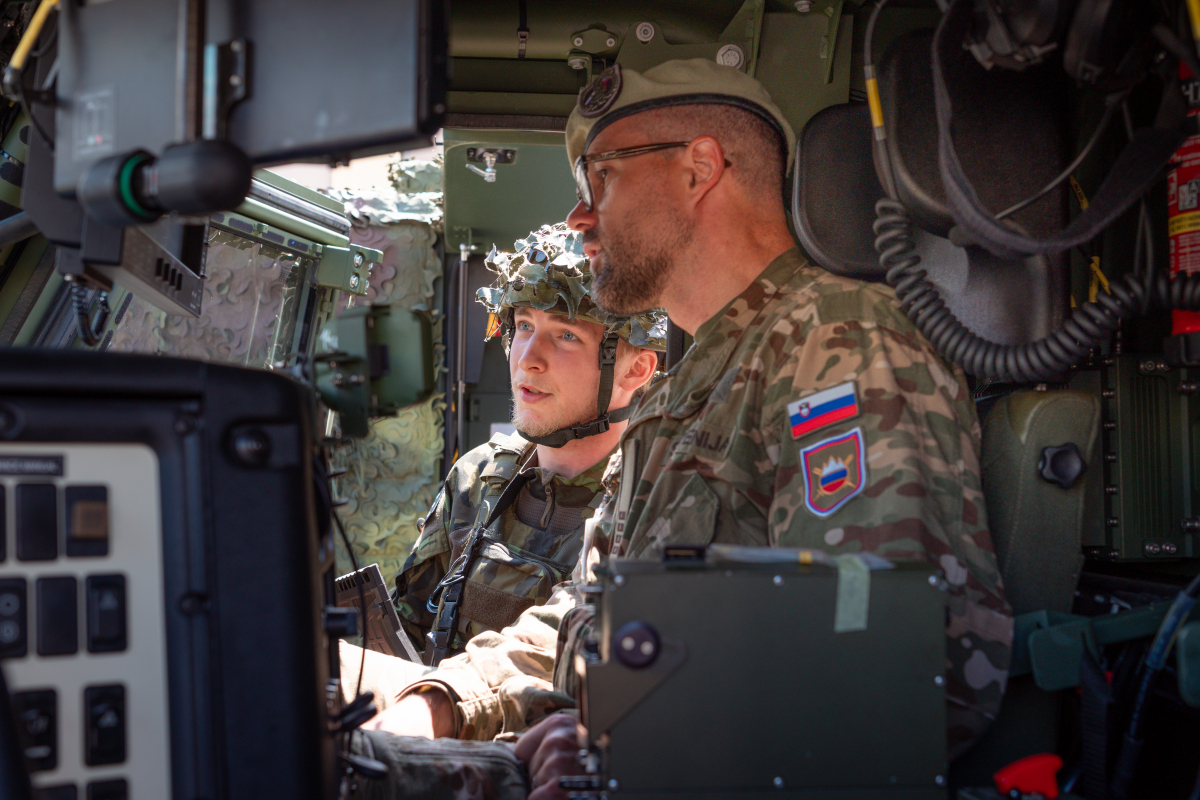
The exercise took place in May 2026 at the 6 October Barracks in Liberec. It was conducted under the direction of NATO’s Allied Rapid Reaction Corps (ARRC), with support from the French 1st Corps. Alongside personnel of the 31st CBRN Defence Regiment “Major General Oskar Starkoč”, approximately thirty soldiers from Belgium, France, Slovenia, the United Kingdom and the United States took part.
Czech headquarters supporting an Allied command
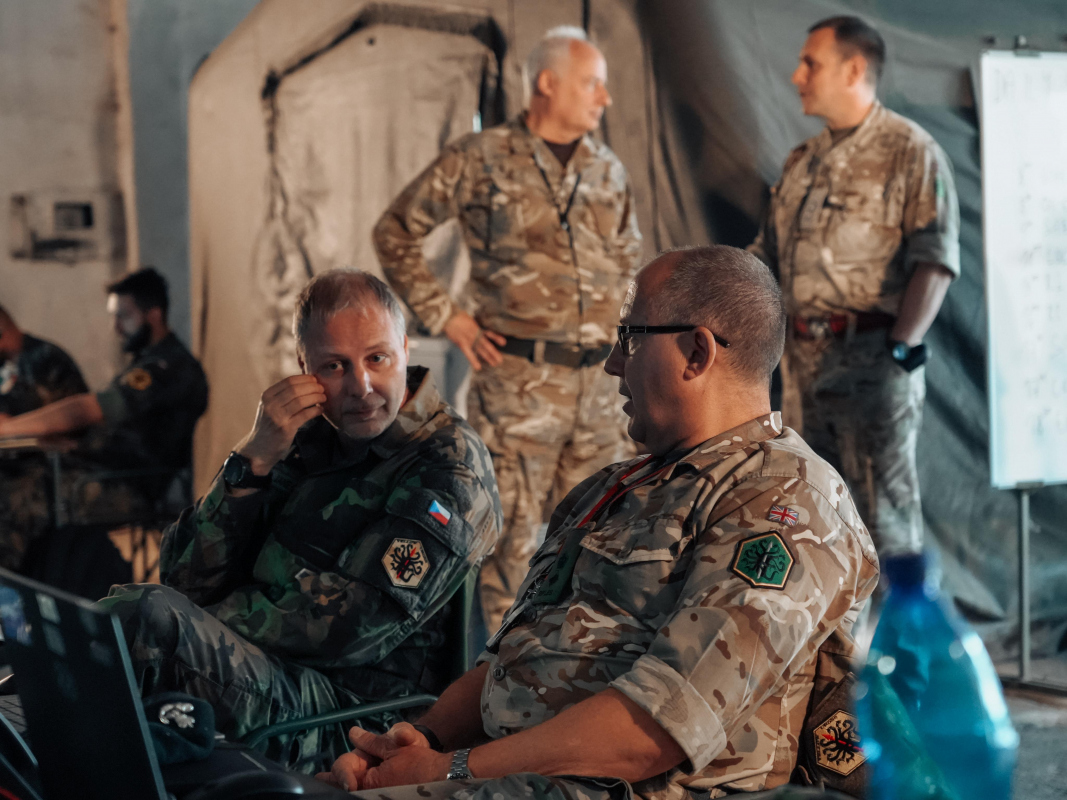
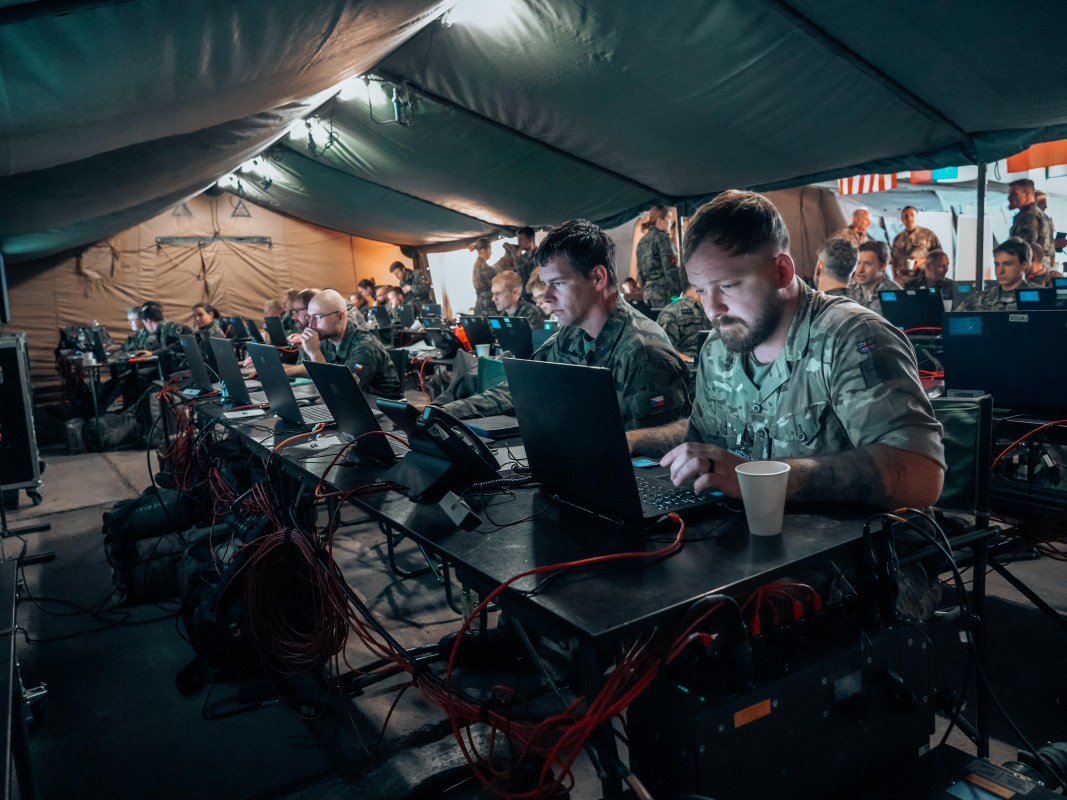
The main training audience was the headquarters of a multinational CBRN defence brigade. Its task was to support the ARRC headquarters in conducting a NATO operation in an environment affected simultaneously by radiological, chemical and biological threats.
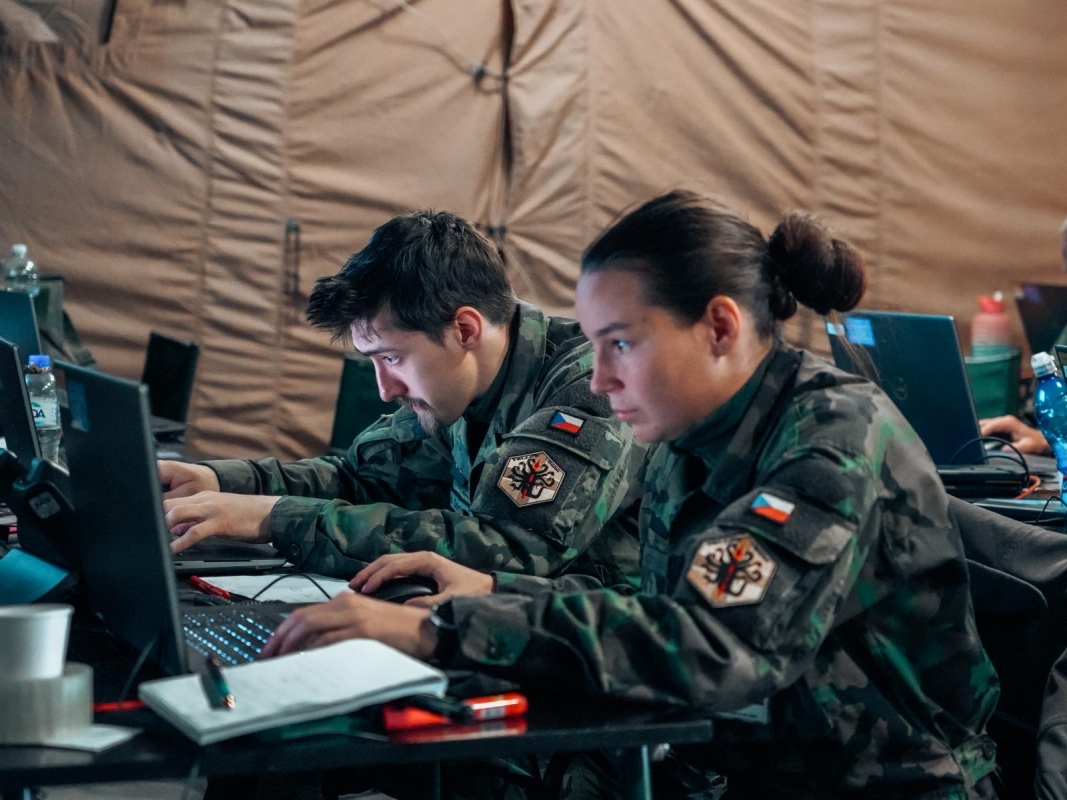
Participants received reports of individual incidents, rapidly assessed them and considered their impact on the ongoing operation. They then prepared specialist recommendations for the higher command, planned the necessary measures and coordinated the activities of subordinate Allied units.
Yellow Cross 2026 therefore tested more than the specialist knowledge of the CBRN defence troops. An equally important element was the ability of Czech soldiers to work within a multinational headquarters, command units from different nations and turn technical assessments into information that a commander could use for decision-making.
A CBRN incident can affect the entire operation
Radiological, chemical and biological threats can significantly affect the movement of forces, logistics, force protection and the tempo of an operation. The headquarters must therefore quickly determine the scale of the threat, anticipate how the situation may develop and recommend measures that protect deployed forces while allowing them to continue their mission.
The exercise scenario was set within a multinational operation aimed at restoring NATO’s territorial integrity. Participants dealt with a series of complex incidents reflecting the current security environment.
It was not enough simply to establish that an area had been contaminated. The headquarters had to assess the implications for the wider operation, recommend protective measures, set priorities for further reconnaissance and coordinate the deployment of available forces. At the same time, critical information had to reach every relevant part of the Allied command-and-control structure without delay.
Common procedures and information sharing
Testing interoperability was a major part of the exercise. Soldiers from six nations had to operate as one team, apply common Allied procedures and share information through NATO information systems.
The ability of different armed forces to work together is essential for the successful employment of multinational units. Nations may use different equipment or draw on different experience, but during an Allied operation they must follow common standards, understand one another and exchange information without unnecessary delay.
Yellow Cross 2026 therefore tested not only decision-making processes, but also the organisation of staff work, coordination among national elements and the ability to respond flexibly to a rapidly changing operational situation.
Czech CBRN defence capabilities
For the 31st CBRN Defence Regiment, the exercise provided another opportunity to confirm that its personnel can form the core of a multinational CBRN brigade headquarters and support a higher Allied command.
The role of Czech CBRN defence specialists extends well beyond radiological and chemical reconnaissance, sampling, or the decontamination of personnel and equipment. Equally important is their ability to plan large-scale protection measures against weapons of mass destruction, command subordinate units and provide commanders with accurate information for the conduct of operations.
The exercise also confirmed the importance of Czech CBRN defence capabilities within NATO. The regiment’s specialists can operate not only at the tactical level at an incident site, but also within higher multinational headquarters.
NATO representatives visit the exercise
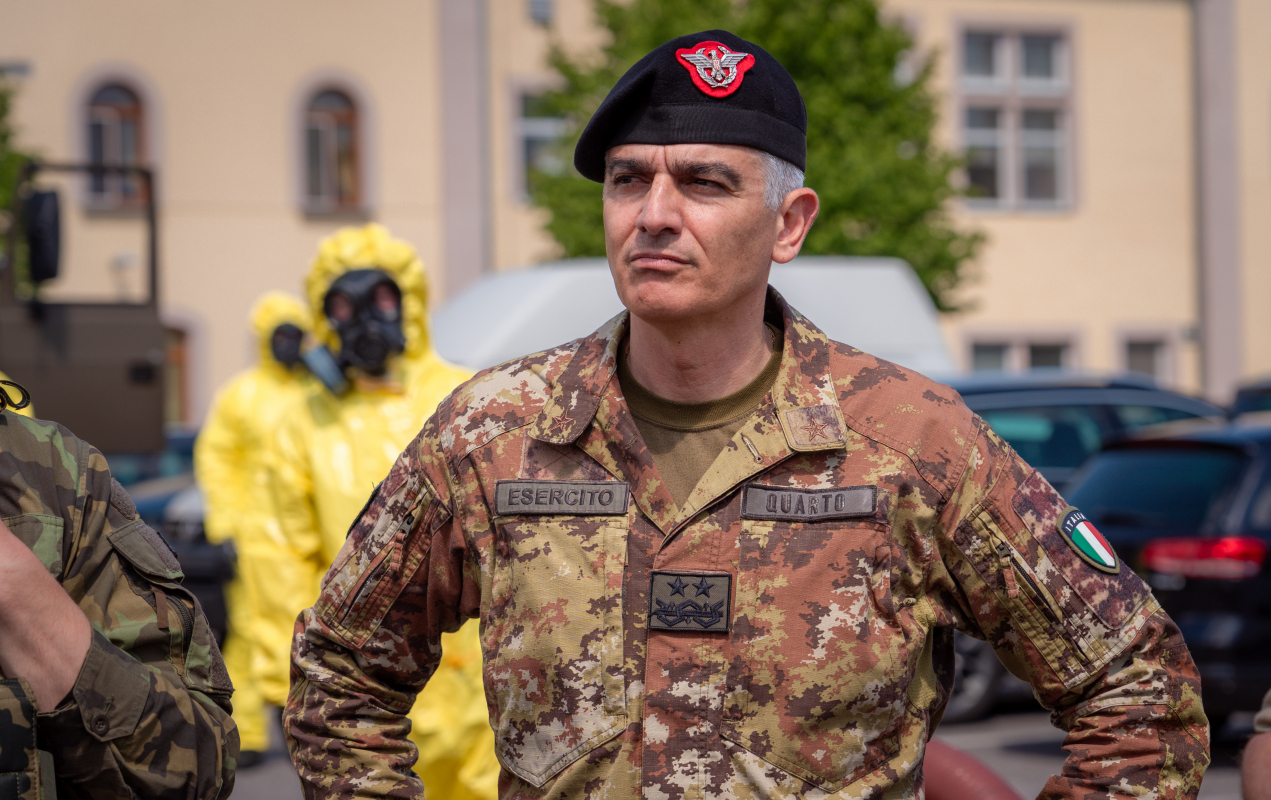
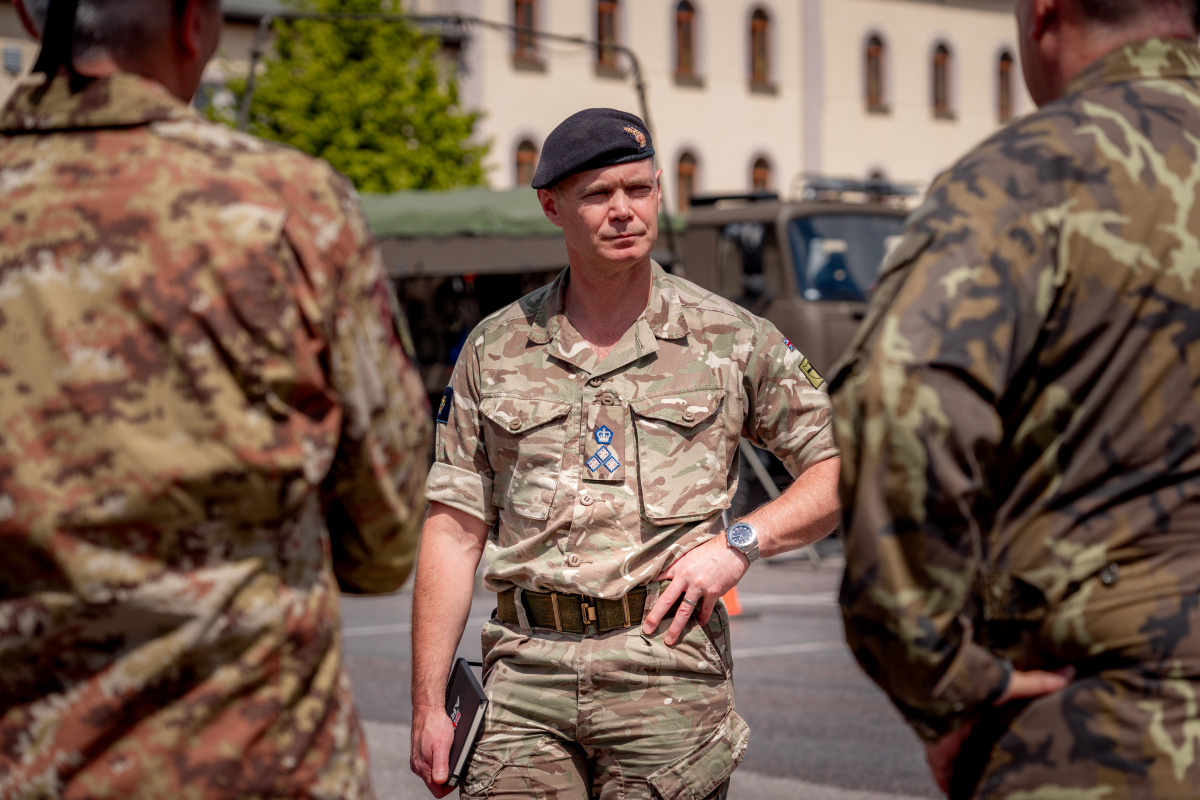
A Distinguished Visitors Day was held on 19 May. Representatives of Allied commands and specialist organisations visited Liberec, including the Deputy Commander of ARRC and representatives of the NATO Joint Chemical, Biological, Radiological and Nuclear Defence Centre of Excellence.
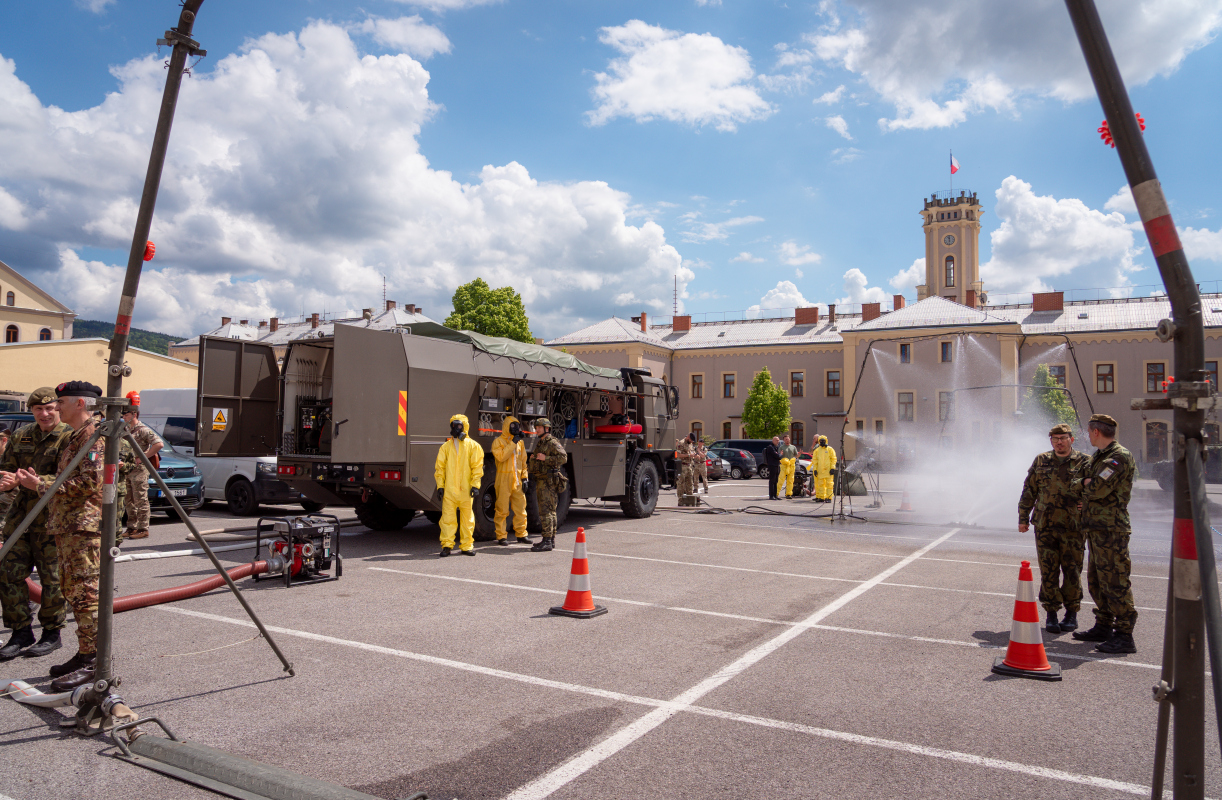
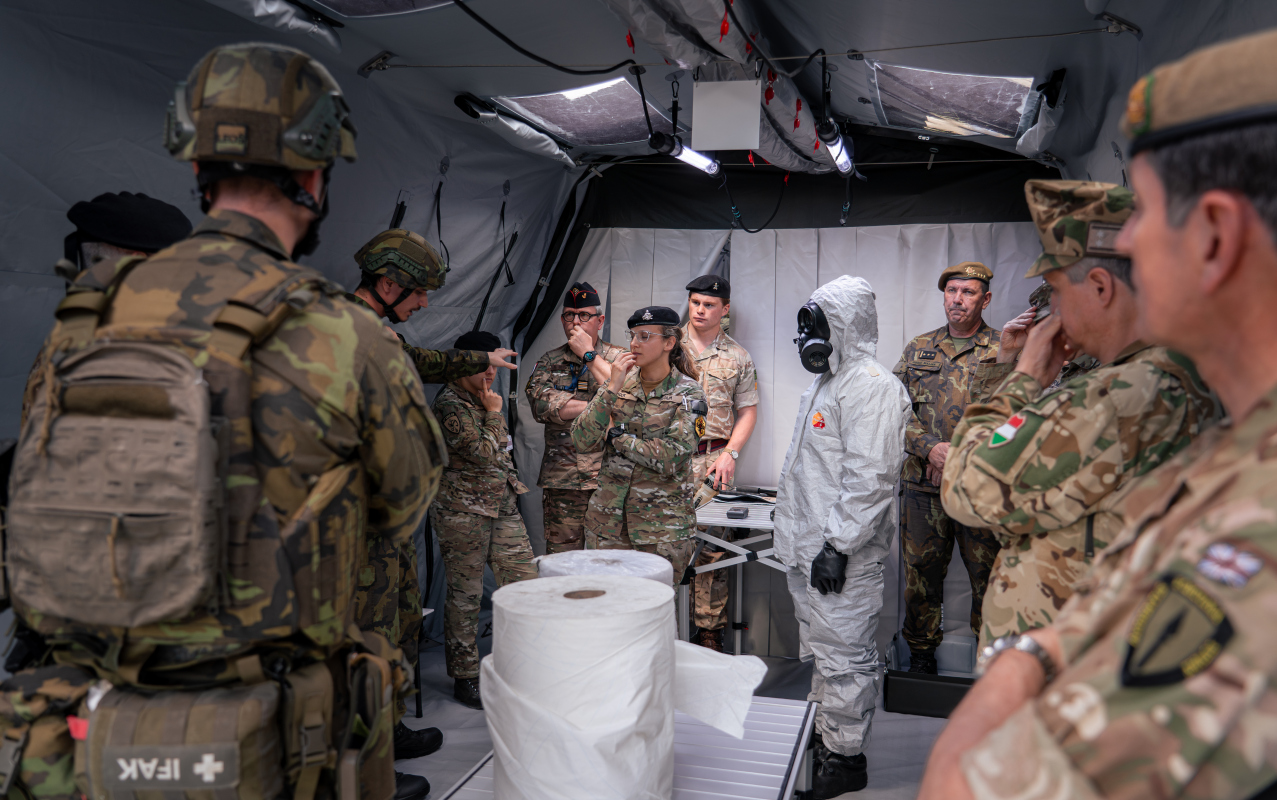
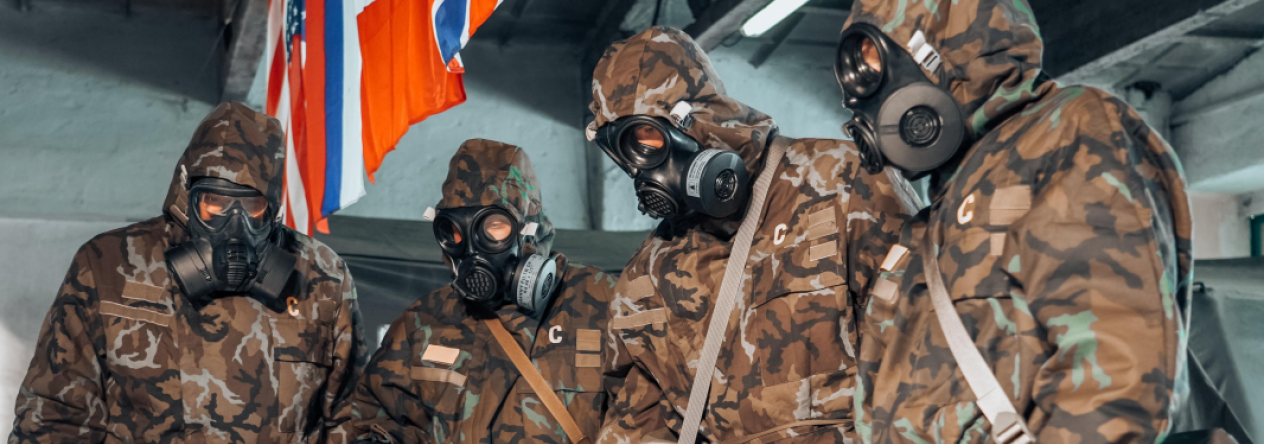
The visitors observed the work of the operational headquarters and the unfolding exercise scenario. Personnel of the 31st Regiment also presented their capabilities for the decontamination of personnel and military equipment in a static display.
The visit created further opportunities to exchange experience and develop cooperation among the Czech CBRN defence troops, Allied commands and NATO’s specialist centre for protection against chemical, biological, radiological and nuclear threats.
Ready to respond together
Yellow Cross 2026 built on earlier exercises in the series and the 31st Regiment’s long-term cooperation with the Allied Rapid Reaction Corps. Its principal benefit was to verify that Czech and Allied soldiers can plan, decide and command together even in an environment affected by CBRN threats.
The exercise confirmed the readiness of Czech CBRN defence specialists to serve within multinational NATO structures and contributed to the further alignment of Allied procedures. In a real operation, success depends not only on the quality of individual units, but above all on their ability to share information, support one another and respond as a single team.
Author: Major Richard Maňásek