Extreme Patrol 2026: Czech Paratroopers Excel in the Italian Mountains
- 29.9.2026
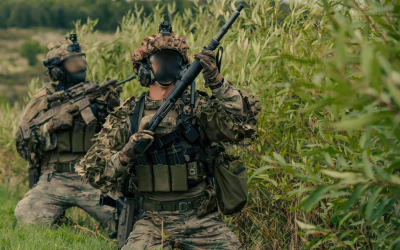
Seventy-two hours of continuous operations, more than 60 kilometres of mountain terrain, over 1,000 metres of elevation gain and little room for error.
The 43rd Airborne Regiment prepares for rapid insertion and demanding operations requiring mobility, initiative and resilience.
The 43rd Airborne Regiment provides the Czech Armed Forces with a rapidly deployable airborne formation. Its personnel train for operations in which speed, initiative and the ability to function in difficult terrain are essential. Air insertion is a means of getting a force into an area; successfully carrying out the mission also requires leadership, fire support, communications and sustainment.
Airborne training includes preparing people and equipment for deployment, coordinating with aircrews and organising after landing. The subsequent mission may demand independent movement, securing an area, protecting key terrain or linking up with other units. These tasks place considerable demands on the physical and tactical preparation of soldiers.
The regiment practises small-unit tactics, live firing, casualty care and command in uncertain conditions. Training deliberately combines disciplines so that an airborne operation is assessed as a complete sequence rather than a parachute jump alone.
Cooperation with Czech air units and NATO partners allows the regiment to test shared procedures and learn from different operational experiences. Its contribution is a combination of rapid deployment capability, trained personnel and the ability to remain effective after insertion.
Seventy-two hours of continuous operations, more than 60 kilometres of mountain terrain, over 1,000 metres of elevation gain and little room for error.
Exercise Crimson Lightning II tested the 43rd Airborne Regiment from the first landing to holding an assigned area.
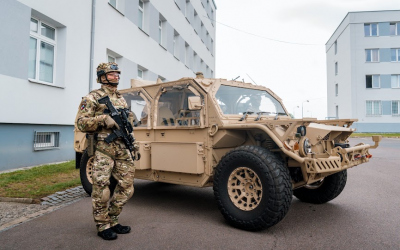
The Flyer 72 HD light assault vehicle is a platform developed from the outset for special operations and airborne units.