- 30.9.2026
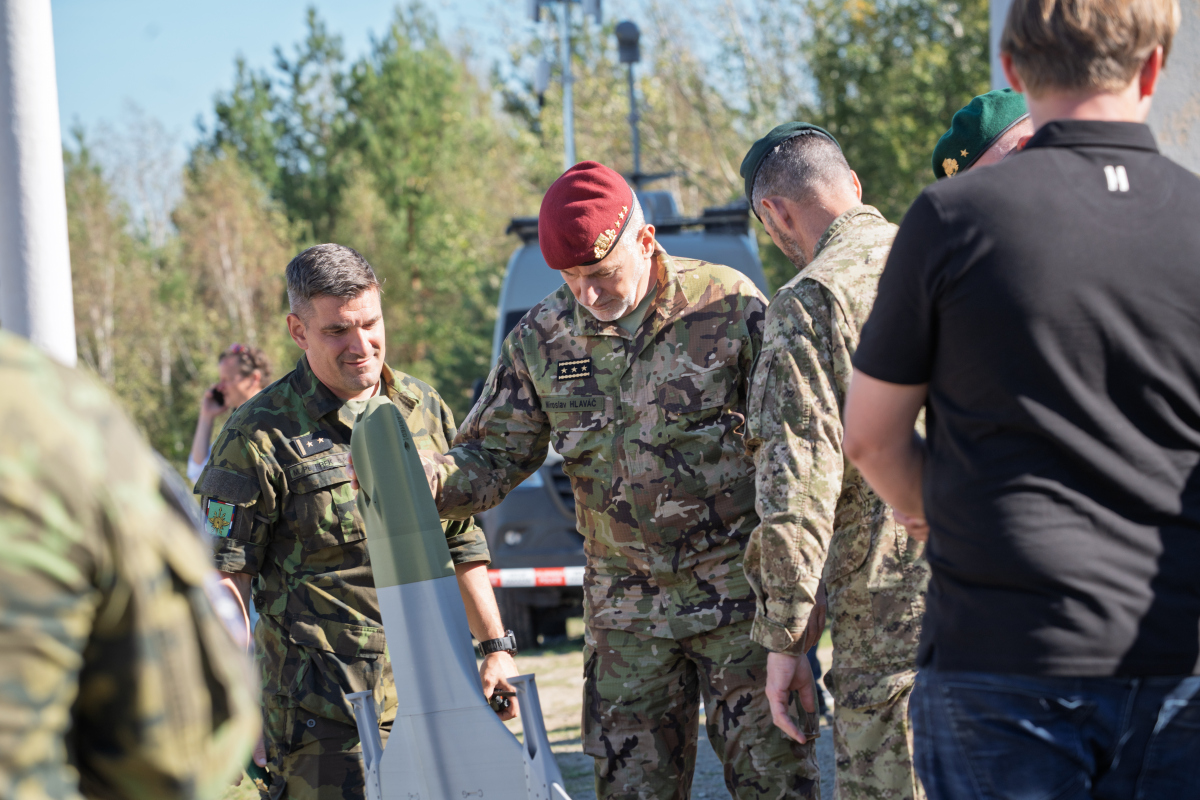
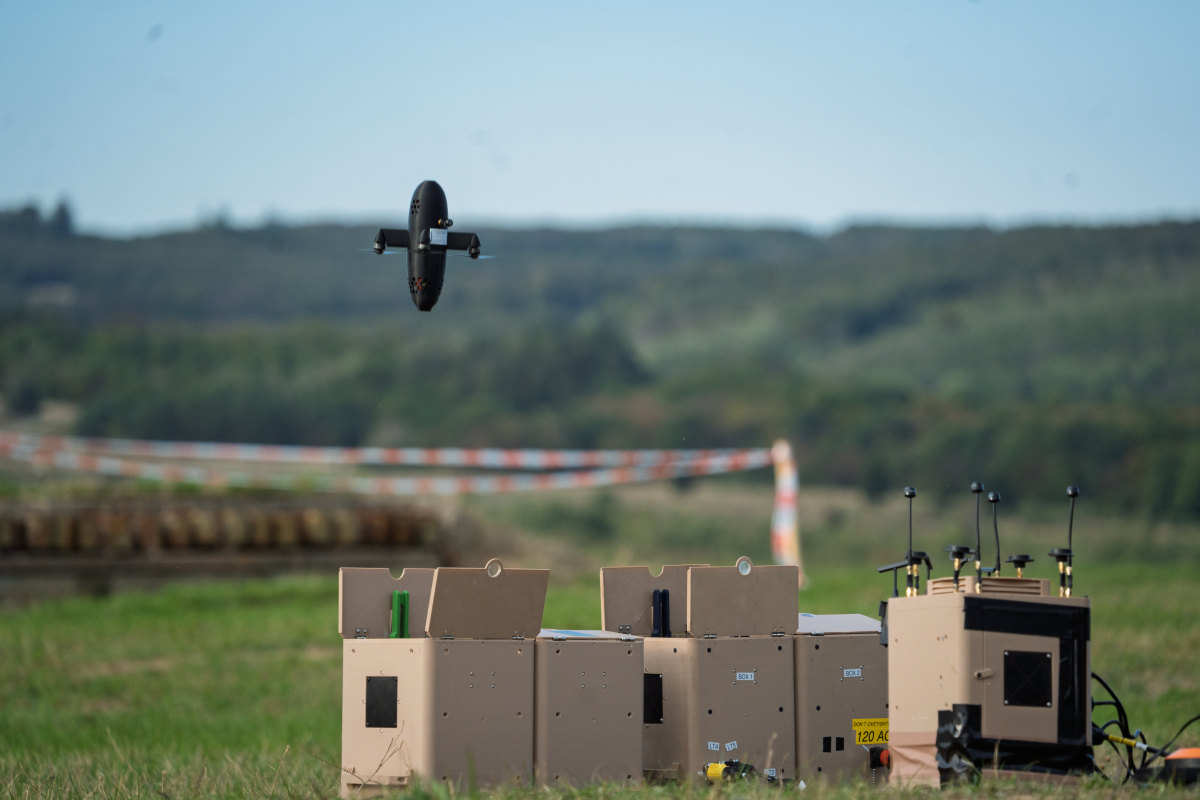
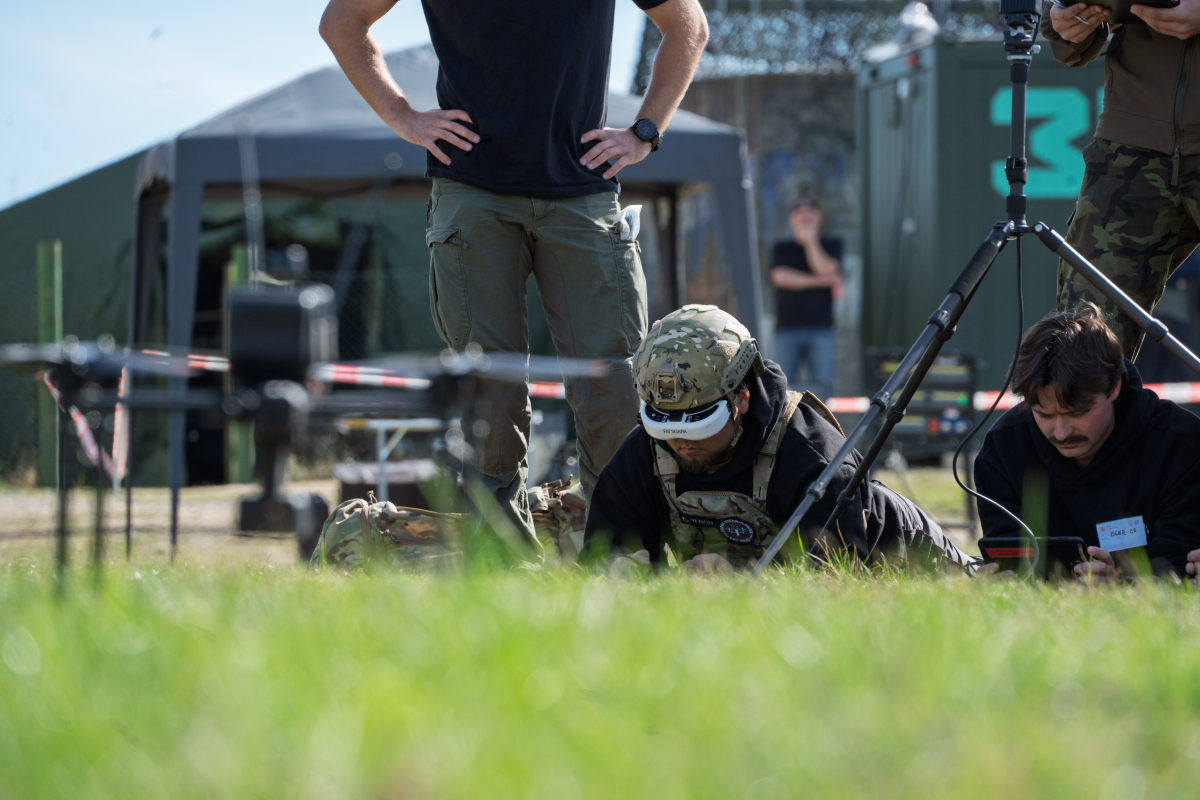
Uncrewed systems and other emerging technologies are changing the battlefield exceptionally quickly. For the armed forces, it is therefore not enough to seek ways of defending against familiar threats. They must identify new technologies early, test their capabilities and understand how both friendly forces and adversaries might use them in the future. That is the purpose of the multinational experimental exercise Drone Shield 2026, currently taking place in the Březina Military Training Area near Vyškov and at the National Test Site for Uncrewed Ground Vehicles (NATEP UGV) in Lipník nad Bečvou.
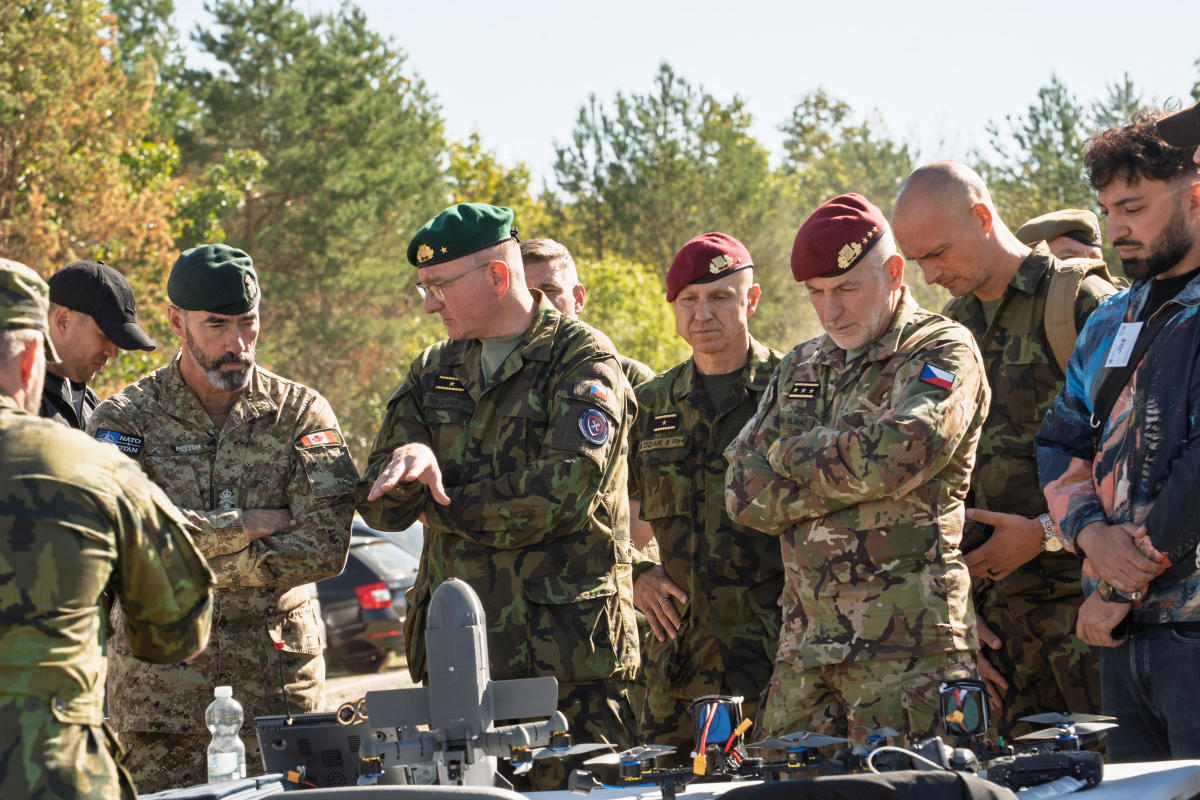
Every year, in late September and early October, soldiers, specialists, NATO representatives and technology companies meet at these locations. This year's exercise involves 49 companies working on counter-drone technologies, 24 companies testing uncrewed ground systems and more than 1,000 participants in total. The aim is practical testing against military requirements, rather than a display of individual products.
“Technology, particularly in uncrewed systems and protection against them, is now developing faster than we can procure it through traditional processes. If we want to keep pace and get modern technology to soldiers in time, we must accelerate procurement and create opportunities to test and introduce new solutions quickly. Drone Shield allows us to test technologies in practice, gain real experience with them and use that experience to decide how they might be employed in the Czech Armed Forces,” says Brigadier General Petr Šnajdárek, Director of the Ministry of Defence's Communications and Information Systems Division.
Recognising the Threat and Knowing How to Respond
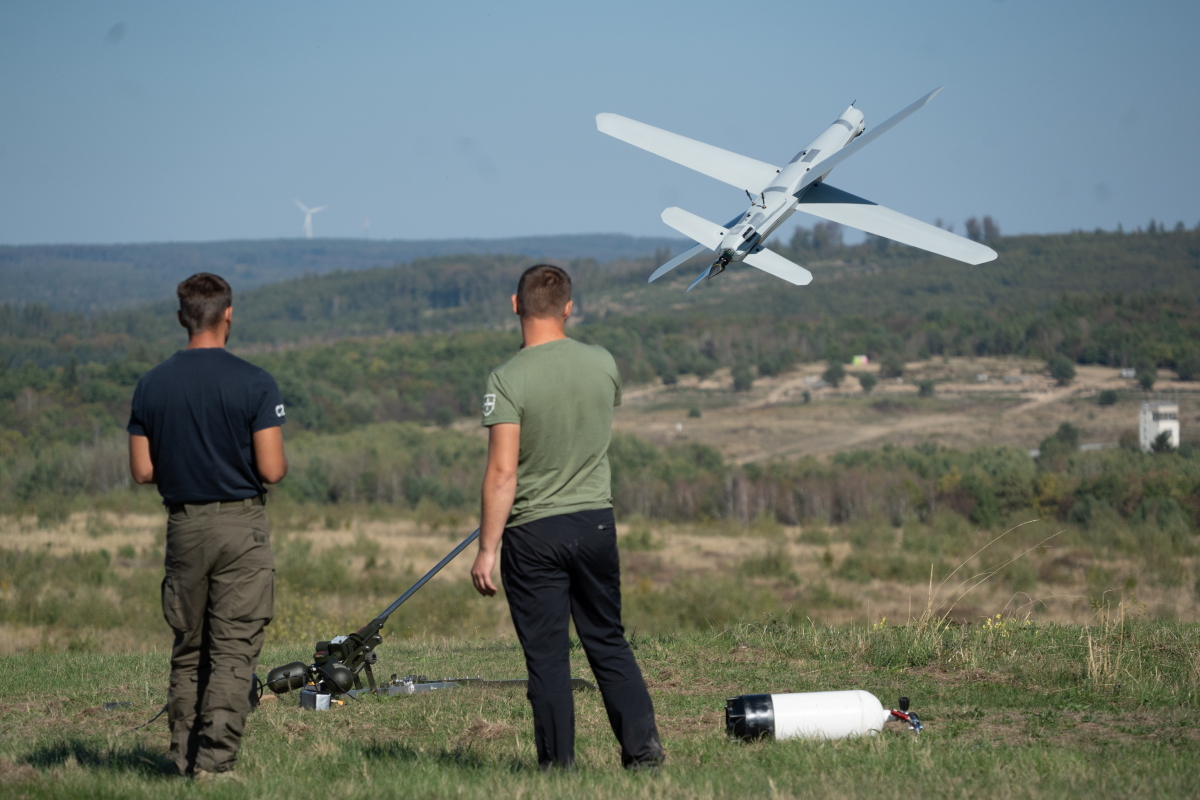
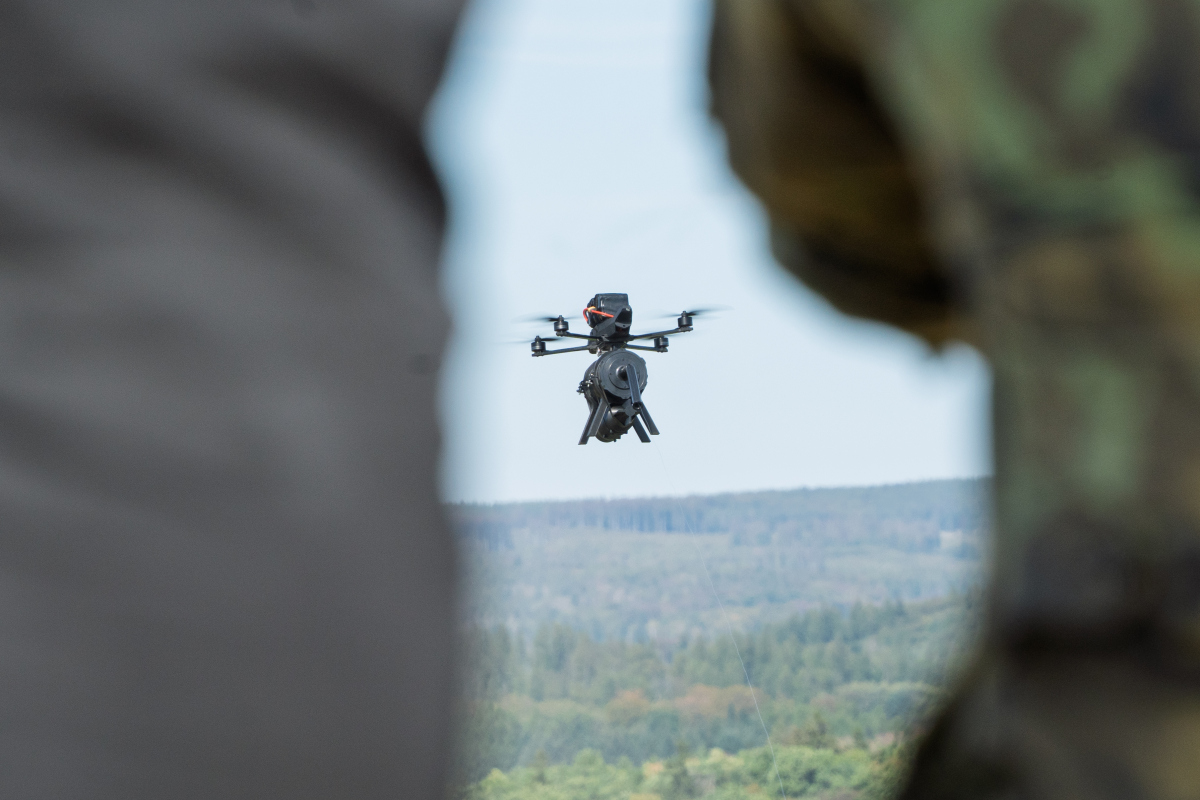
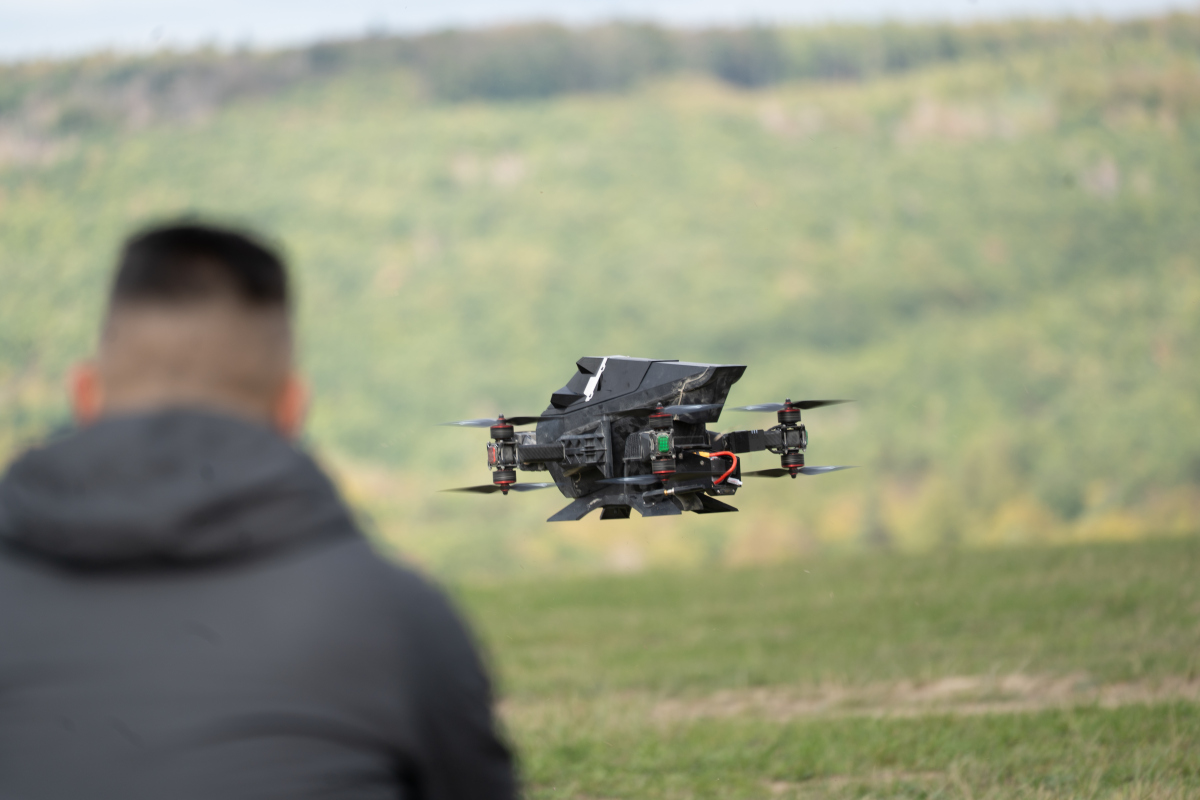
Defence against uncrewed aircraft is one of the exercise's main themes. Drones illustrate how quickly readily available technology can become an important means of conducting combat operations. They support reconnaissance, information sharing and direct attacks, while their uses continue to evolve.
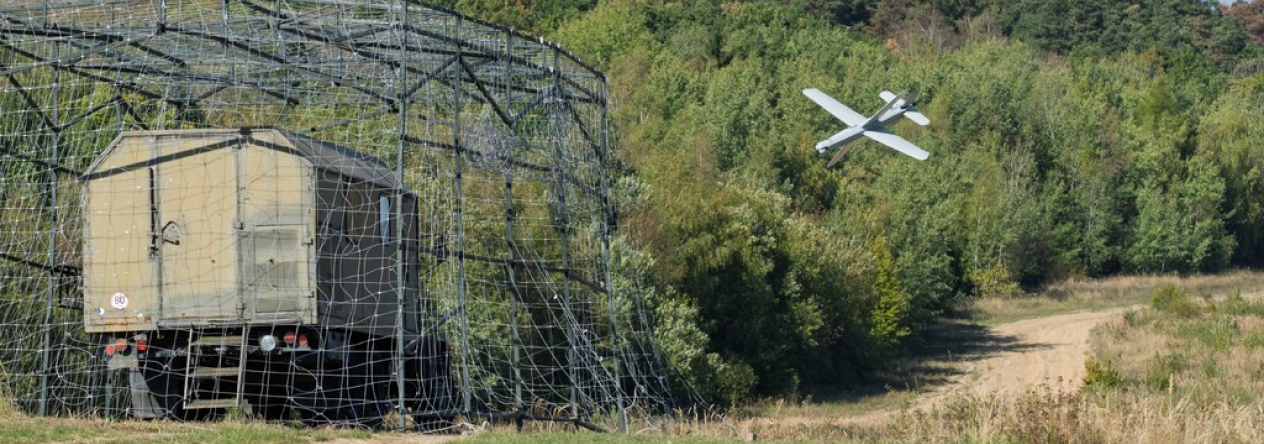
Drone Shield scenarios test the entire counter-drone defence chain. It begins with passive protection for personnel and equipment, including protective nets and specialised camouflage materials and clothing that reduce soldiers' detectability by thermal imaging and infrared sensors. The next step is detecting the threat itself. Radar, radio-frequency, electronic and acoustic sensors are used to detect, identify and locate uncrewed aircraft. The information is then passed on to support a decision on the appropriate response.
Beyond Detection
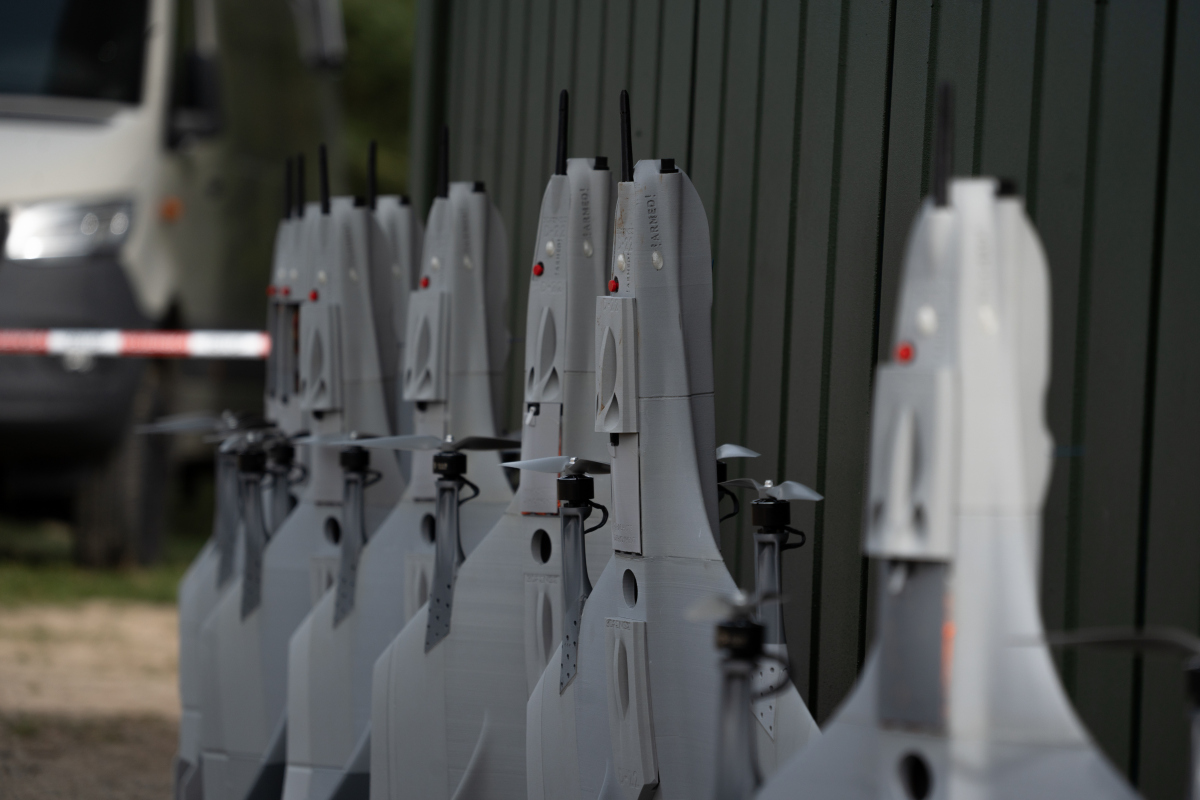
“We are testing the entire process, from the first detection of a drone through identification and localisation to neutralisation. We assess different sensors, their interconnection and different ways of countering drones. Selected drones are neutralised using electromagnetic warfare capabilities or brought down by interceptors designed to intercept and disable another drone in flight. We also work with FPV drones and other technologies seen on today's battlefield. We are not looking for a single universal system. No such system exists. We must understand what individual technologies can do and determine how to integrate them into a functioning whole,” explains Exercise Director Lieutenant Colonel Michal Peterek.
Integration is essential. A single universal capability cannot be relied upon against every type of threat. One approach may be suitable for detecting a small commercial drone, another for tracking it and a third for disabling it. Information must be obtained from several sources, assessed quickly and used to select a response appropriate to the situation.
Alongside conventional uncrewed aircraft, the exercise therefore explores technologies and methods of employment informed by experience from contemporary conflicts. Its purpose is both to test defences against known threats and to examine new approaches and their implications for the future battlefield.
Technology Must Be Tested in Practice
A key feature of Drone Shield is direct cooperation between soldiers and technology companies. Companies do more than present their products: technologies are assigned specific tasks and tested in conditions reflecting military requirements.
An important exercise partner is NATO DIANA, the Defence Innovation Accelerator for the North Atlantic, which connects technology innovators with the defence and security needs of Allied nations.
“Developing an interesting technology is not enough. Developers need to understand the environment in which their solution must work and receive feedback directly from users. Drone Shield provides a setting where new technologies can meet real military needs, while soldiers gain an understanding of what may affect the conduct of operations in the coming years,” says Lieutenant Colonel Štrbík, a NATO DIANA representative.
NATO DIANA's involvement brings additional technology companies to the exercise and helps Allied armed forces accelerate the adoption of their technologies.
Drone Shield Extends Beyond the Air
The second part of the exercise took place at NATEP UGV in Lipník nad Bečvou, focusing on uncrewed ground systems.
Wheeled and tracked platforms and other uncrewed robotic systems performed practical tasks to assess their usefulness to soldiers. The principle is the same as in counter-drone defence: what matters is not simply a manufacturer's claim, but how the technology performs when completing a specific task.
Understanding Technology Before It Reaches the Battlefield
Drone Shield is not intended to identify one best system or a definitive solution to counter-drone defence. Its main benefit is the opportunity to identify new technologies early, test them in practice and understand their implications for the future battlefield. Some may provide new capabilities for friendly units; others may present threats requiring a response.
The armed forces cannot wait until a new technology is widely used in conflict. They must monitor its development now and determine as early as possible how to employ it, integrate it into their capabilities or defend against it effectively. Drone Shield 2026 provides precisely that opportunity.
Author: Capt Jan Králíček