- 29.9.2026
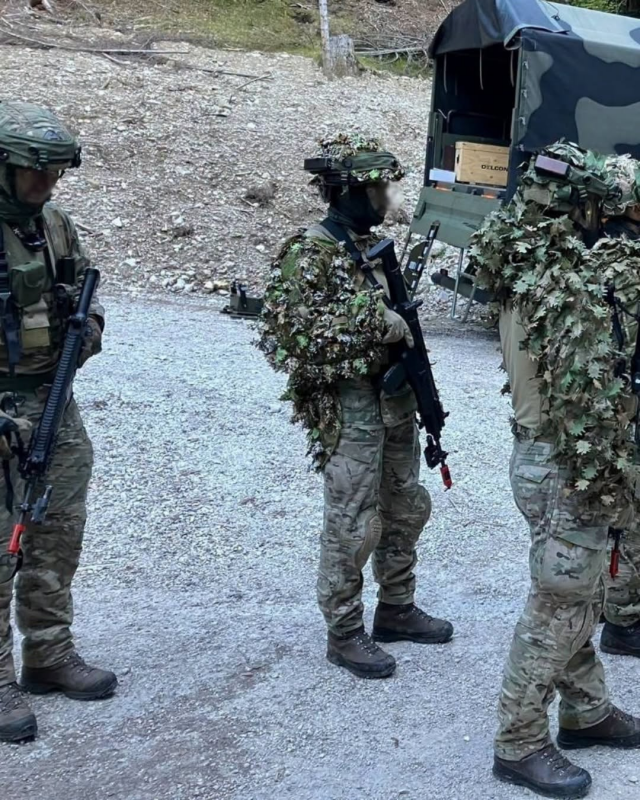
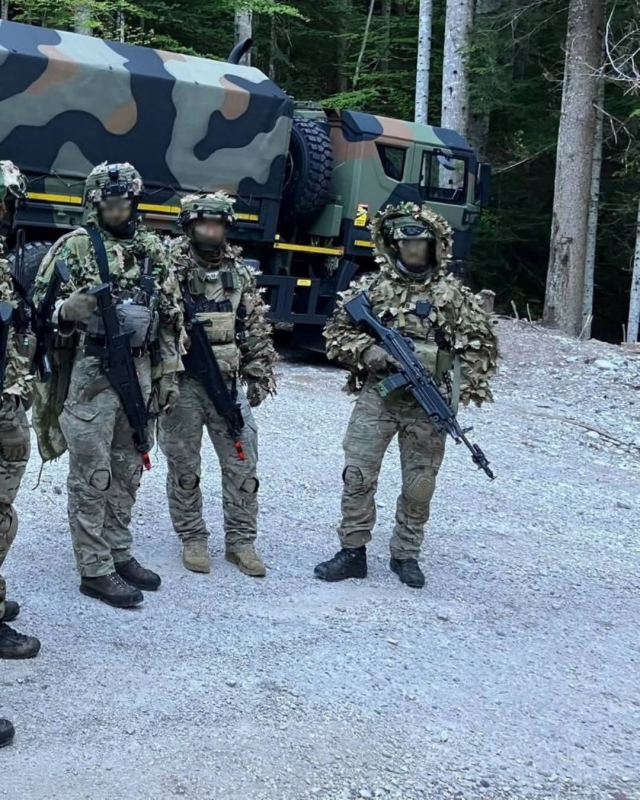
Seventy-two hours of continuous operations, more than 60 kilometres of mountain terrain, over 1,000 metres of elevation gain and little room for error. The multinational exercise Extreme Patrol 2026 in the Italian provinces of Bolzano and Belluno tested more than 300 soldiers from several European countries. Mountain commando squads from the 43rd Airborne Regiment represented the Czech Republic and held their own against strong competition.
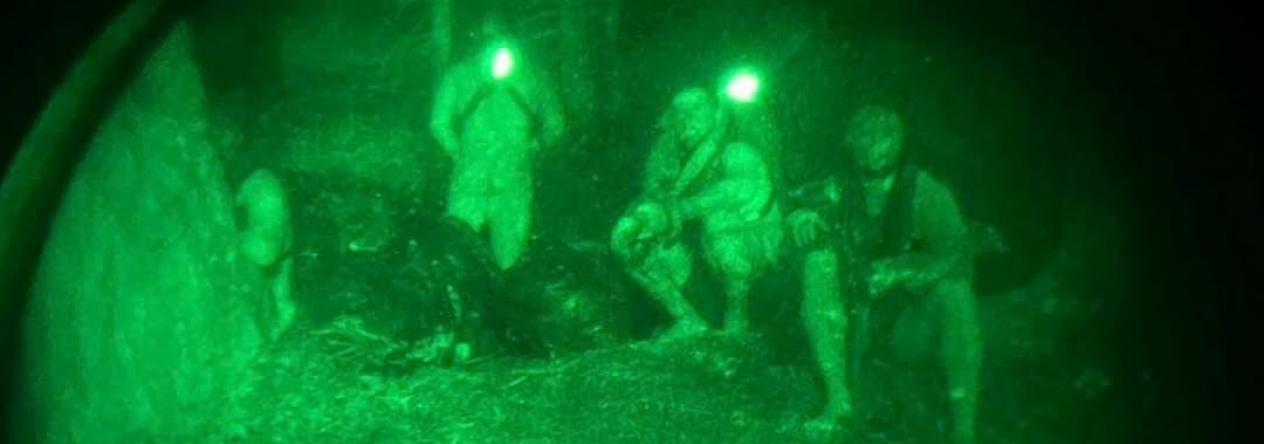
Three days on the move, by day and night, carrying their own equipment, with limited supplies and no ongoing logistical support. The duration alone placed considerable physical and psychological demands on the patrols. With every passing hour, fatigue increased, strength diminished and sound decision-making became more important.
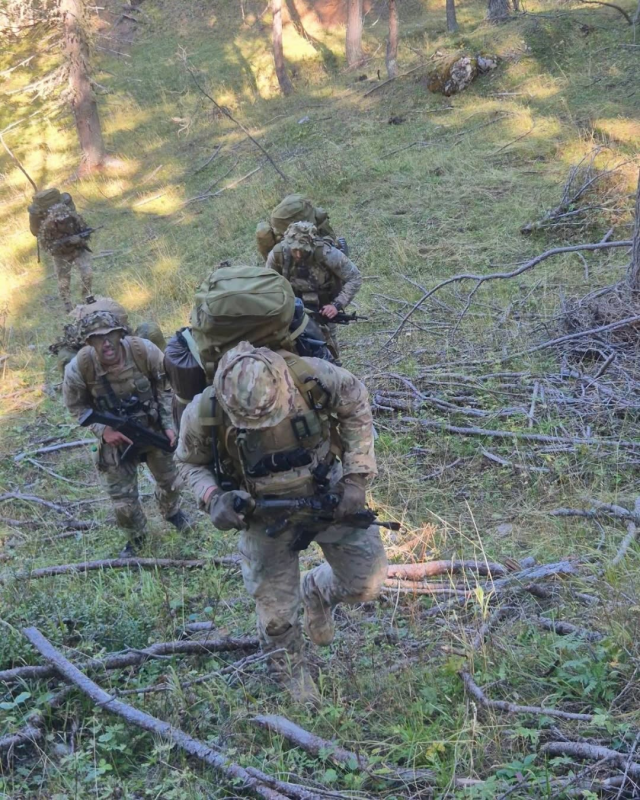
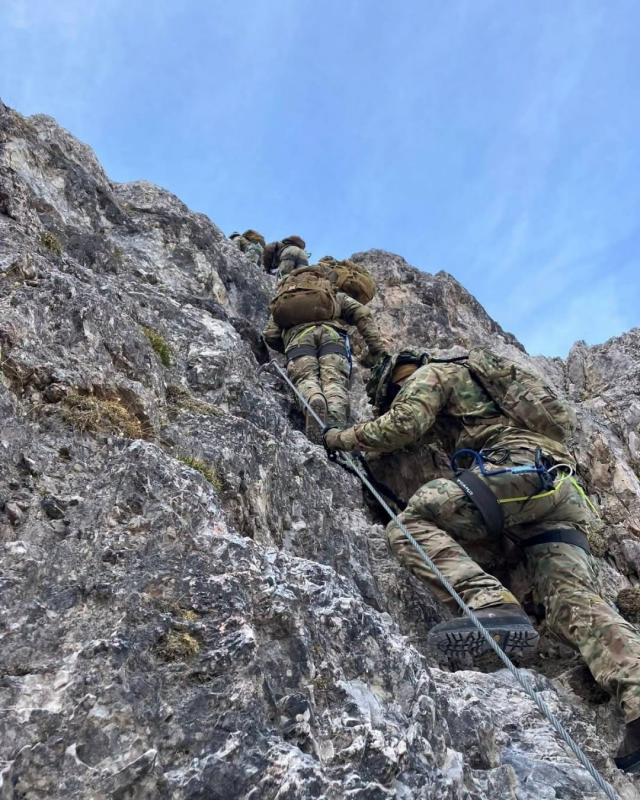
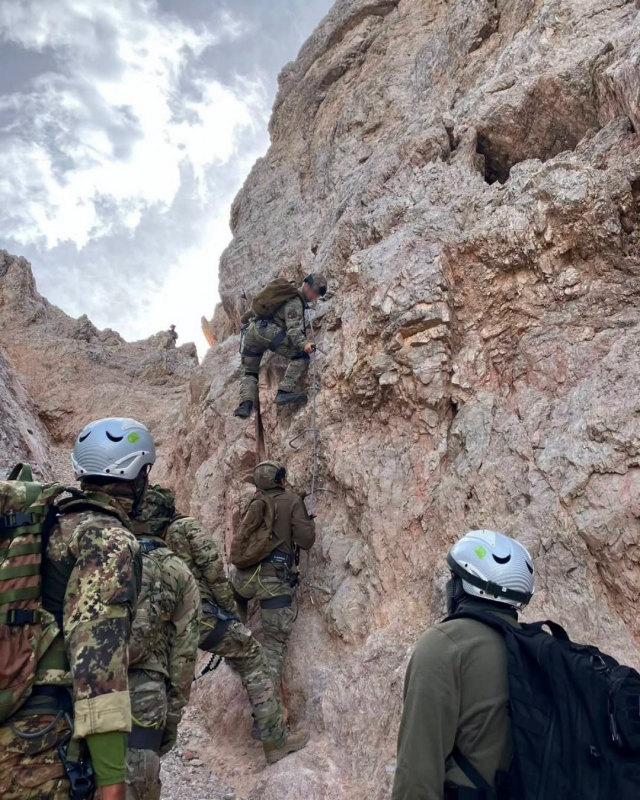
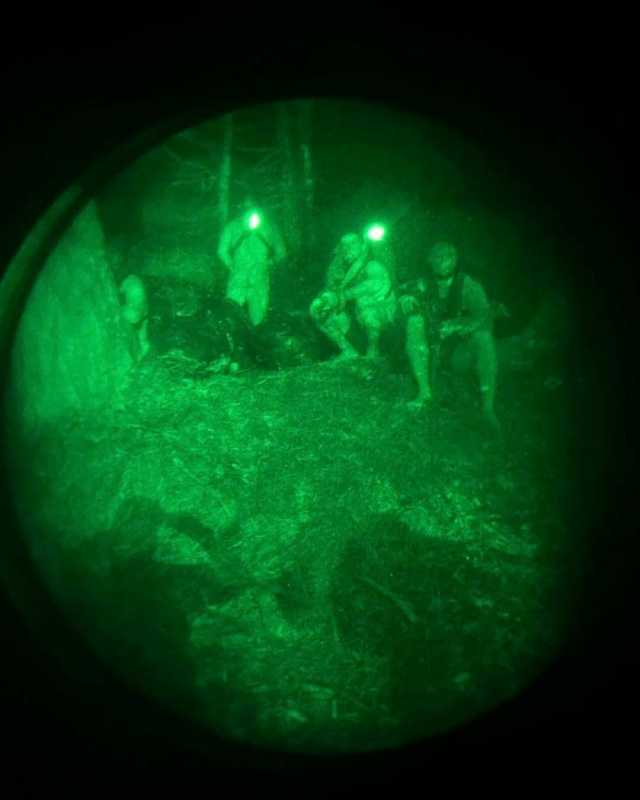
The route covered more than 60 kilometres of rugged mountain terrain and over 1,000 metres of elevation gain. It was more than an endurance march. Patrols navigated in daylight and darkness, crossed rock faces and watercourses, treated and evacuated casualties and responded to a simulated adversary.
Each new section brought another test. Physical fatigue was compounded by the need to maintain situational awareness, plan the next stage correctly and continue the mission even as the body began to run short of energy.
When Fitness Alone Is Not Enough
Extreme Patrol is not based solely on physical fitness. The ability of an entire patrol to function as one team is equally important.
In demanding mountain conditions, a poor decision can quickly affect the performance of the whole team. Soldiers therefore had to assess the situation continuously, manage limited supplies and their energy, choose an appropriate pace and plan their progress so they could continue throughout the remaining hours of the exercise.
Sustained pressure reveals how well individuals can remain focused, communicate and make sound decisions under stress. Mountain terrain adds specific demands on navigation, safe movement and mutual trust within the squad.
For the mountain commandos of the 43rd Airborne Regiment, these conditions directly reflected their specialisation.
A Multinational Test of Capabilities
Mountain commando squads from the 43rd Airborne Regiment represented the Czech Republic at Extreme Patrol 2026. Alongside Italy's Truppe Alpine, this year's exercise included patrols from France, Poland, Romania and Spain.
The multinational setting added another dimension. Teams could compare different approaches to mountain movement, navigation, planning and responding to emergencies.
For the Czech paratroopers, testing their procedures outside familiar domestic training areas was particularly valuable. The Italian mountains brought different terrain and movement conditions, with greater demands on managing physical effort.
The exercise was therefore more than a contest for the fastest time or highest score. Above all, it provided an opportunity to assess how a unit functions under sustained pressure and how it compares with soldiers from partner armed forces.
Technology Helped, but People Remained Decisive
This year's exercise also incorporated modern technologies, including reconnaissance drones, satellite communications, simulation systems and equipment for monitoring soldiers' cognitive load and psychological resilience.
Technology expanded the possibilities for reconnaissance, communications and situational assessment, but did not replace soldiers' fundamental field skills.
Despite modern equipment, the decisive factor remained whether a patrol could assess the situation correctly, navigate demanding terrain, cooperate and continue its mission as fatigue increased. Combining modern technology with traditional military skills was an important element of the exercise.
Second Place Against Strong Competition
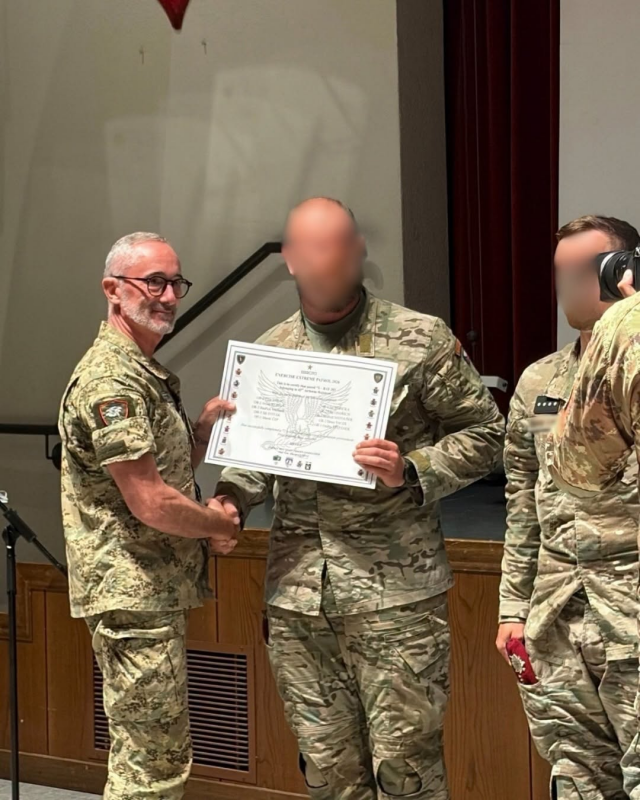
The paratroopers from Chrudim performed strongly against international competition. A squad from the 1st Commando finished second overall, while the 43rd Airborne Regiment's participation received a SILVER rating in the final assessment.
The result was only one aspect of the test. More important was the validation of capabilities fundamental to mountain commando operations: sustained physical and psychological resilience, independent decision-making, navigation in demanding terrain and teamwork.
Extreme Patrol 2026 demonstrated that a squad's readiness becomes most apparent when strength is running low and conditions become increasingly difficult.
For the mountain commandos of the 43rd Airborne Regiment, the exercise brought both a notable result and valuable experience in the environment for which they train. Three days of continuous operations tested their ability to move, make decisions and fight in the mountains as one team, even when moving forward meant overcoming their own exhaustion.
Author: Maj Richard Maňásek