- 6.10.2026
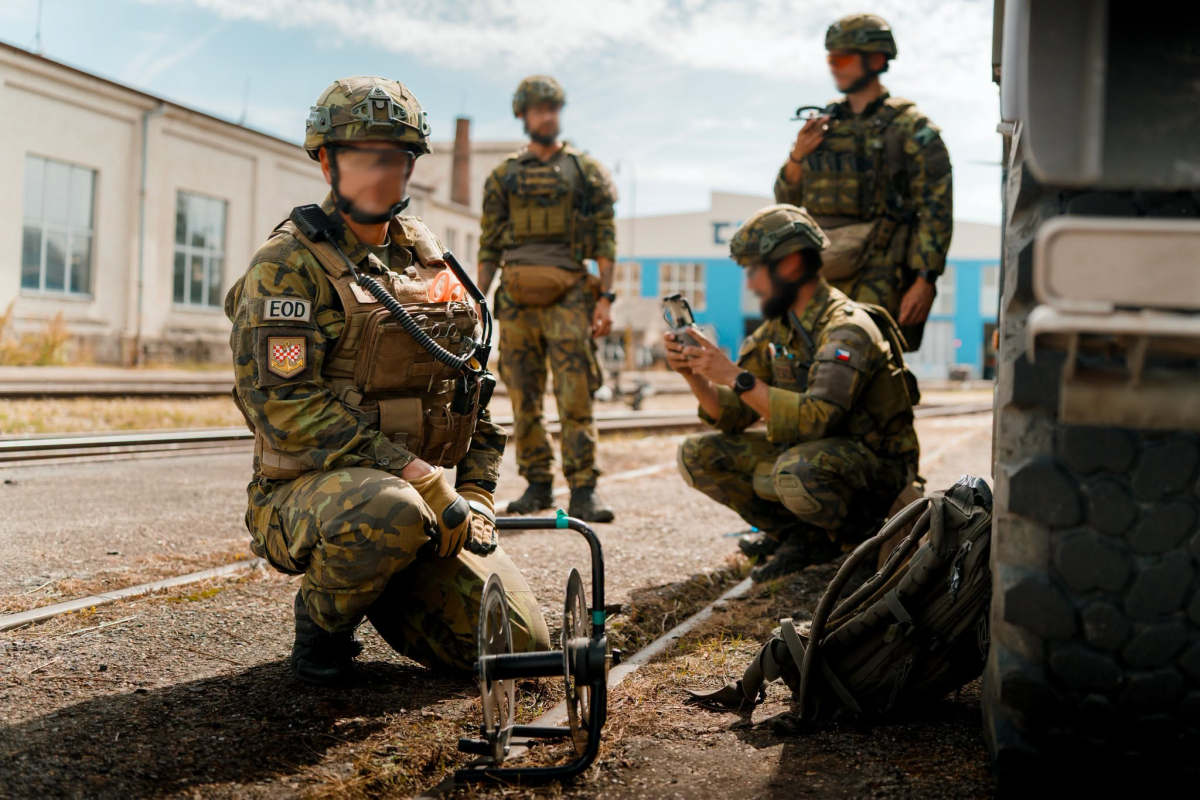
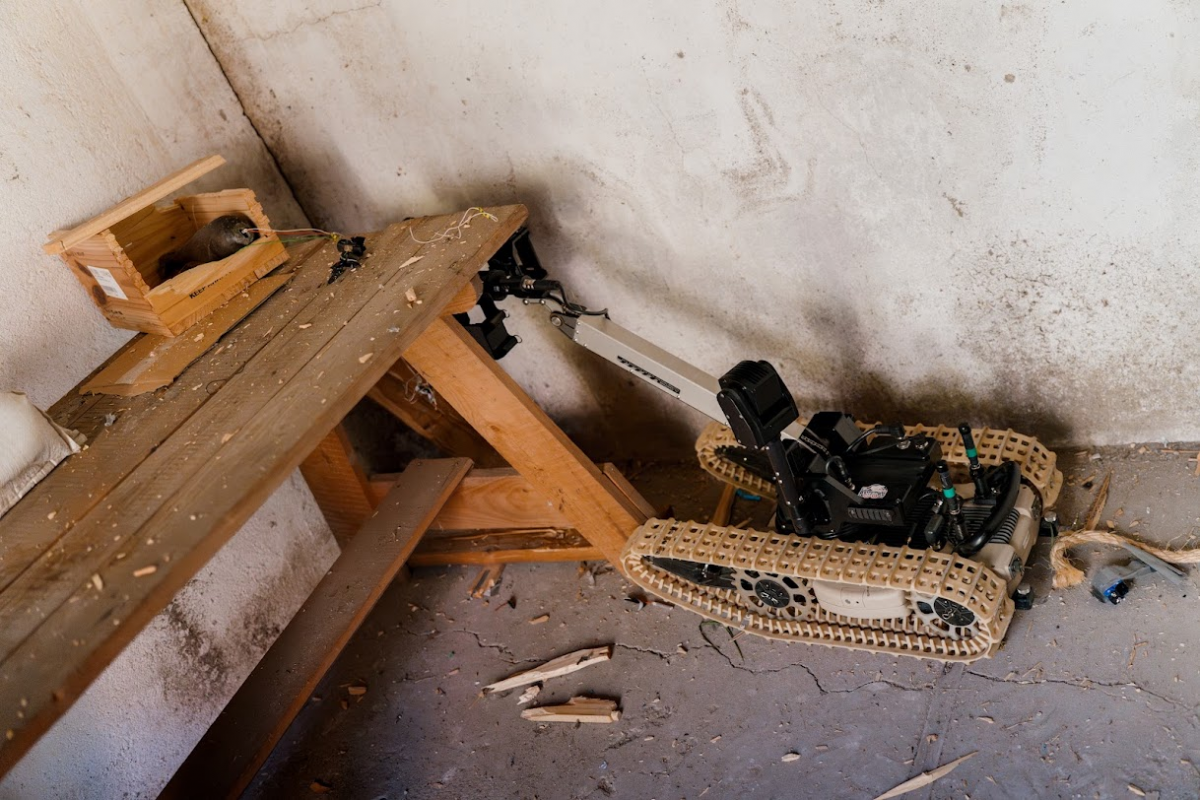
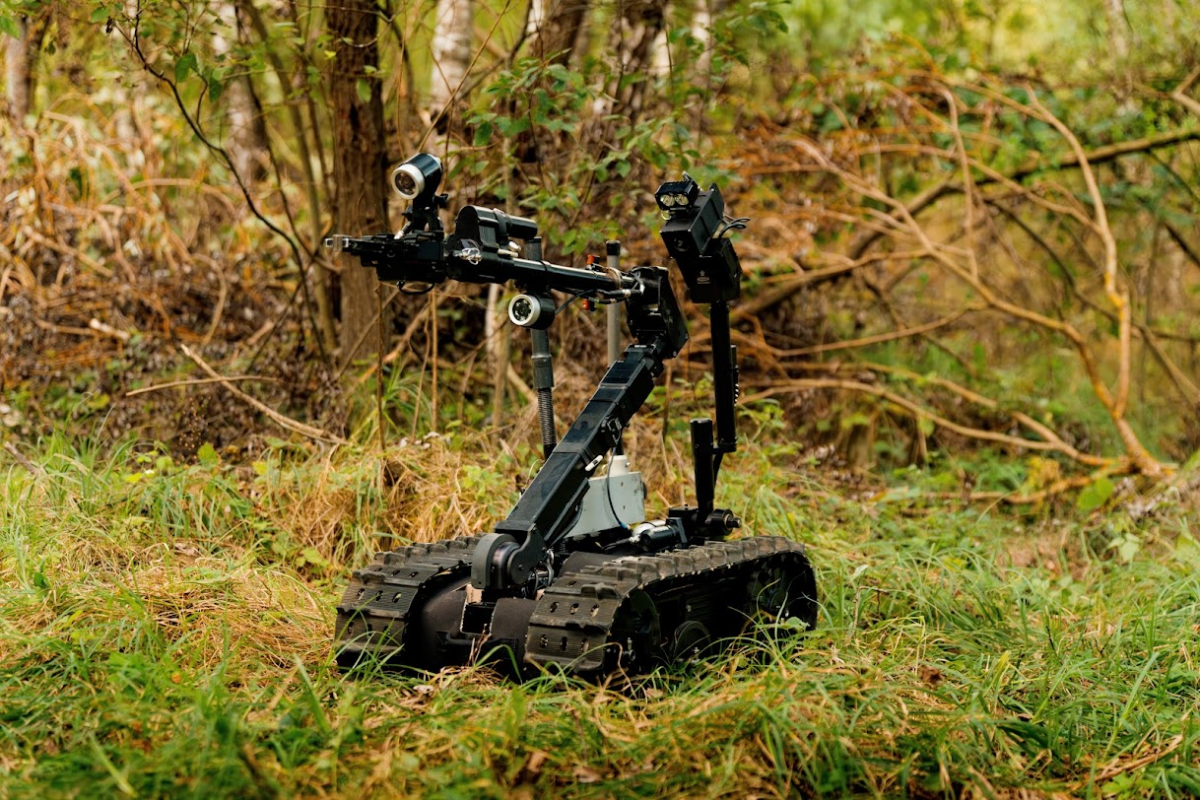
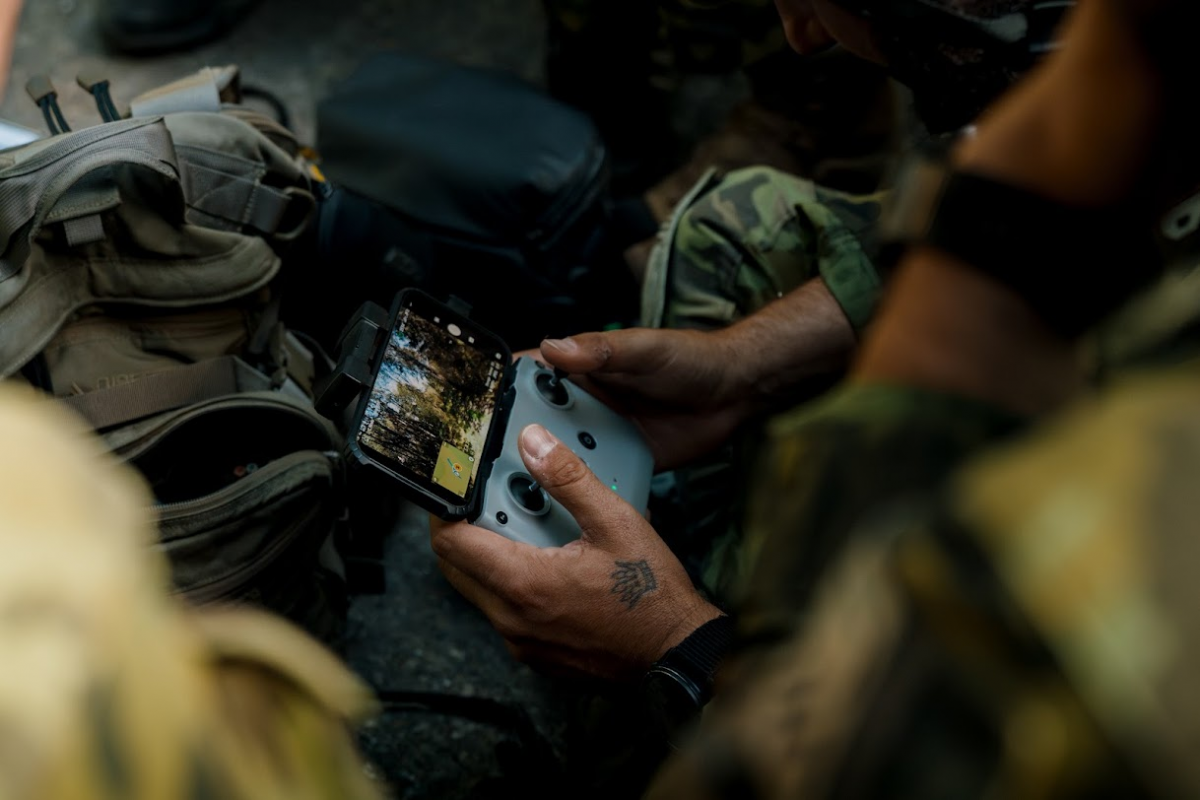
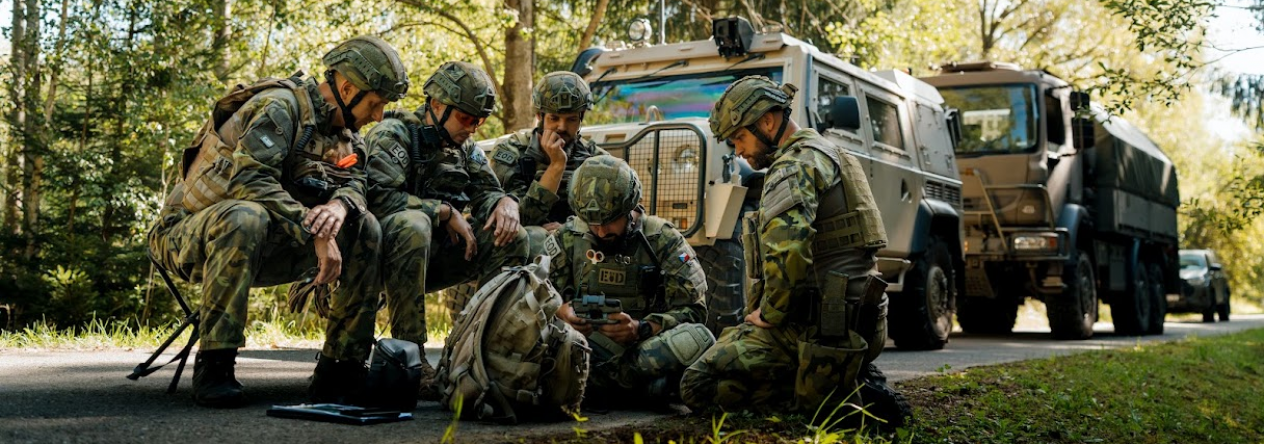
Thirteen Explosive Ordnance Disposal (EOD) teams from the Czech Republic, Slovakia, Poland and the United States tested their ability to respond to explosive threats during the multinational Exercise MINIGATOR 2026. The training was designed to replicate real operational conditions as closely as possible. This year, EOD specialists operated not only at the training facilities of the 15th Engineer Regiment in Bechyně but also at real critical and essential infrastructure sites across South Bohemia.
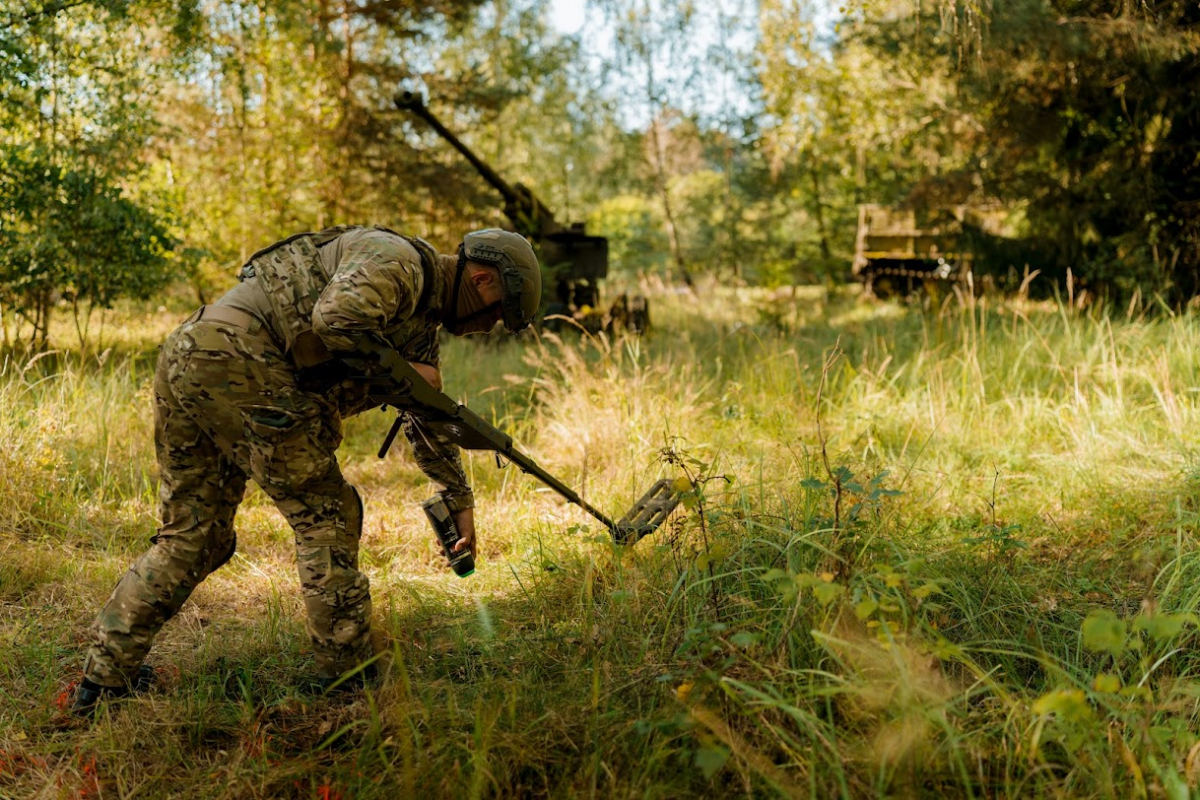
The 14th edition of the exercise took place from 31 August to 11 September. Its objective was to improve specialists' ability to detect, identify and dispose of explosive threats while testing cooperation among different Counter-Improvised Explosive Device (C-IED) capabilities. Alongside the thirteen EOD teams, three Explosive Ordnance Reconnaissance (EOR) teams, a Weapons Intelligence Team (WIT) and a field exploitation laboratory participated in the training. Members of the Czech Armed Forces Active Reserve also took part.
From Military Training Areas to Real-World Environments
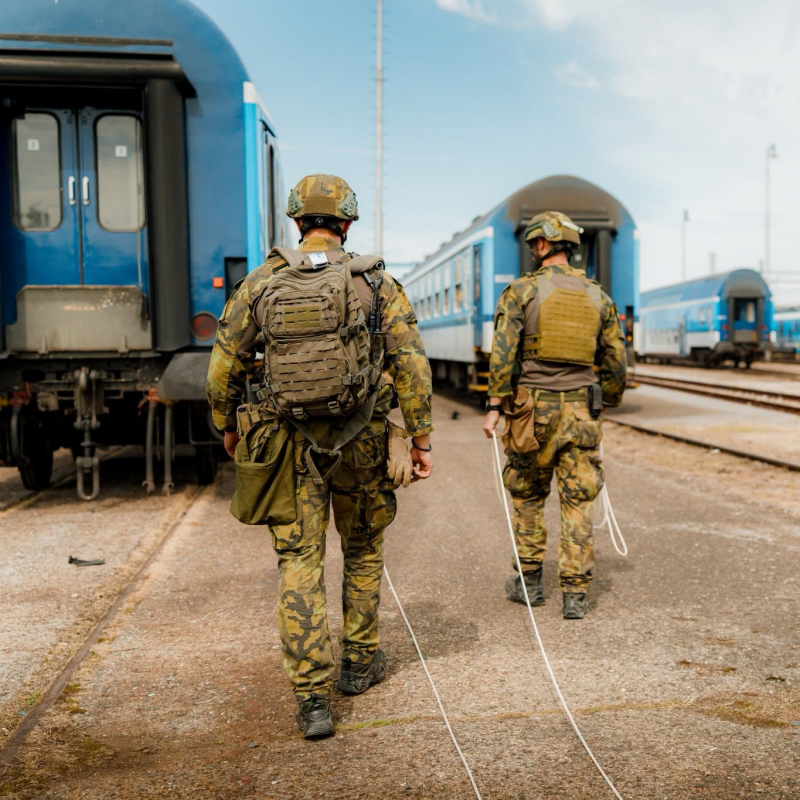
One of the defining features of MINIGATOR 2026 was the relocation of part of the training outside military facilities. Scenarios took place not only at the 15th Engineer Regiment's training sites but also in environments such as power generation facilities, water and gas infrastructure, railway facilities, local government buildings and a sports stadium.
For EOD teams, responding to an incident involved considerably more than locating and safely neutralising an explosive device. Specialists had to consider the specific characteristics of each facility, the possible presence of other people, access restrictions, secondary threats and the potential consequences for infrastructure operations.
Conditions varied considerably between locations. An open area requires a different approach from a transport hub or a technologically complex facility. Participants therefore had to adapt to unfamiliar environments and resolve situations in much the same way as they would during an actual incident.
Thirteen Teams from Four Nations
EOD teams from the Czech Republic, Slovakia, Poland and the United States participated in this year's exercise. Joint training provided opportunities to compare operating procedures, equipment and experience gained during previous exercises and operational deployments.
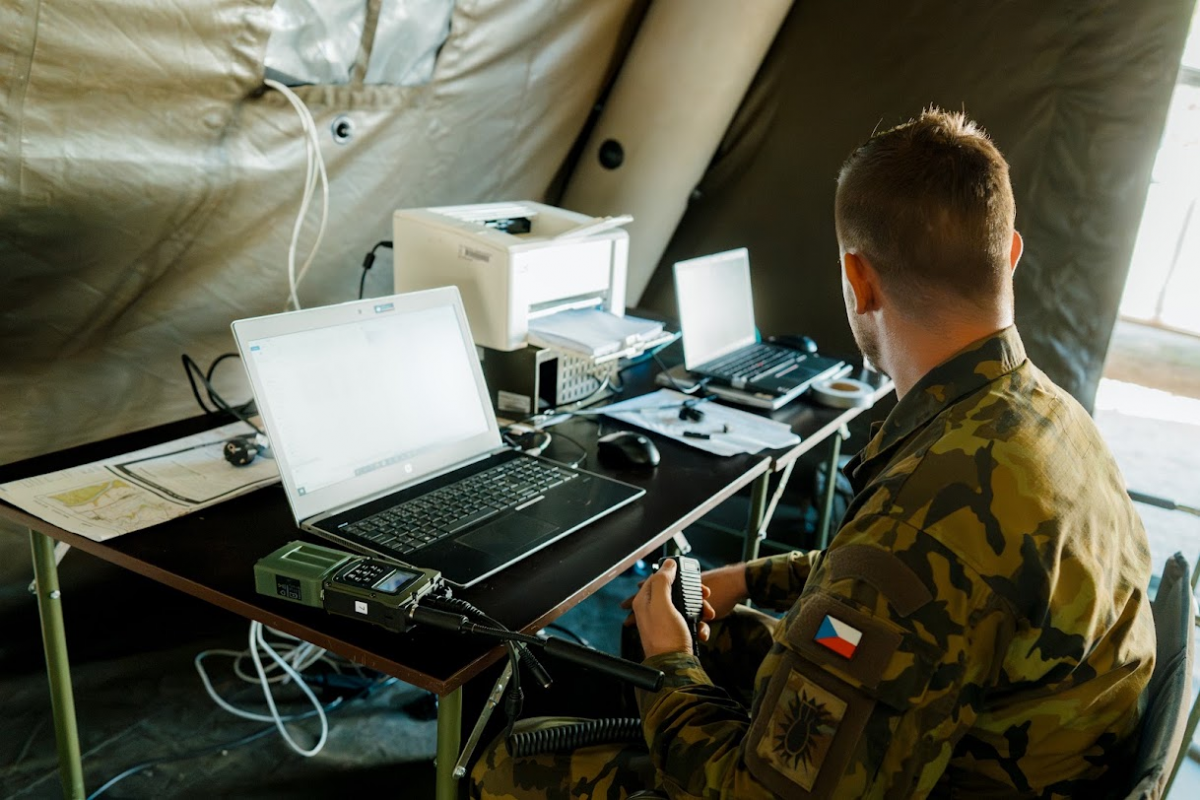
Different armed forces do not necessarily use identical equipment, and some of their procedures may also differ. MINIGATOR therefore tested the ability of multinational teams to exchange information quickly, coordinate their actions and resolve incidents together.
From EOR and EOD to Weapons Intelligence
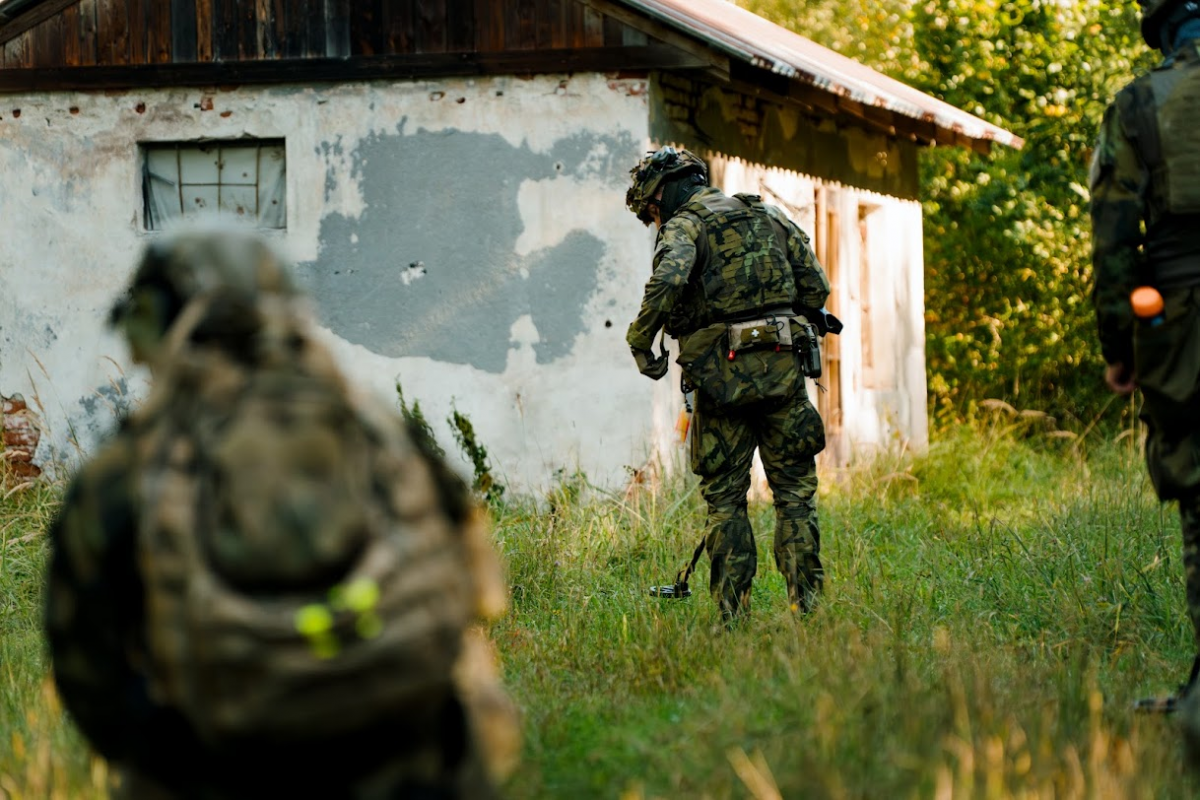
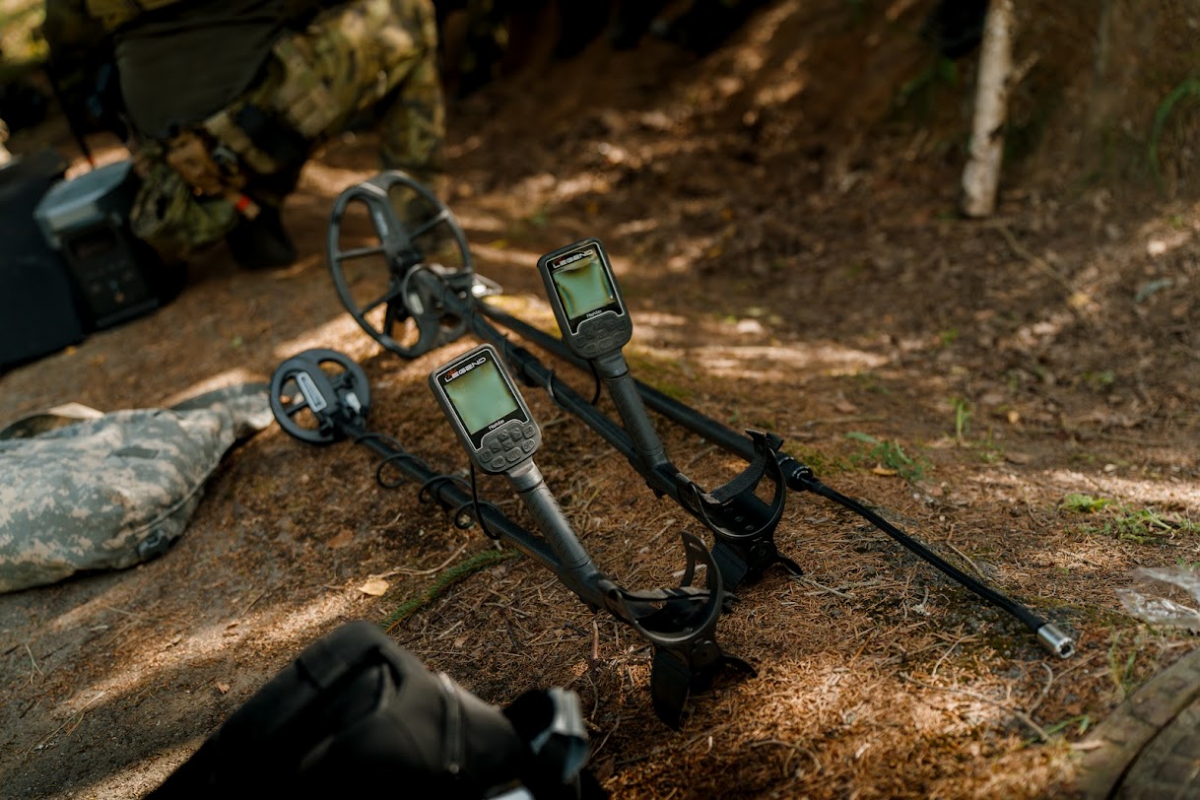
An EOD specialist is not always the first person to encounter an explosive threat. During an actual operation, an ordinary military unit may discover a suspicious object, unexploded ammunition or another potentially dangerous item. This is where Explosive Ordnance Reconnaissance (EOR) becomes essential.
EOR personnel are responsible for recognising potential explosive threats, conducting an initial assessment and passing the necessary information to EOD specialists, who can then carry out the appropriate technical response.
However, the work does not necessarily end when the immediate threat has been addressed. MINIGATOR 2026 also involved a Weapons Intelligence Team and a field exploitation laboratory. Information and material recovered at an incident site can contribute to further analysis. The device's construction, components and other technical characteristics may help establish links to similar incidents.
The exercise therefore did not test each specialisation in isolation. EOR, EOD, WIT and other specialist capabilities were integrated into scenarios covering the entire process, from initial threat recognition to the subsequent exploitation of information gathered at the scene.
From Afghanistan to Contemporary Threats
MINIGATOR was originally designed primarily to prepare Czech EOD teams for deployment on overseas operations, particularly in Afghanistan. Improvised explosive devices were among the major threats facing coalition forces, and EOD specialists regularly encountered them during their missions.
As the security environment changed, the exercise evolved. Experience from contemporary conflicts demonstrates that EOD specialists must be prepared to deal not only with improvised explosive devices but also with conventional ammunition, mines, booby traps, unmanned systems carrying explosive payloads, and devices combining military and civilian components.
Protecting infrastructure essential to the functioning of the state and society is also becoming increasingly important. Energy facilities, transport networks, water resources and public administration buildings therefore represent environments in which specialists must be able to operate effectively.
Over fourteen editions, MINIGATOR has developed from an exercise focused primarily on preparing individual EOD teams for deployment abroad into a larger multinational training event integrating several specialist capabilities and addressing contemporary explosive threats.
This year's exercise tested the complete response process, from initial threat recognition and EOD intervention to the subsequent analysis of information recovered from the incident site. Joint training demonstrated that responding effectively to an explosive threat depends not only on neutralising the device itself, but also on rapid coordination, accurate information exchange and the ability of different specialists to build on one another's work.
Author: Maj Richard Maňásek