- 3.10.2026
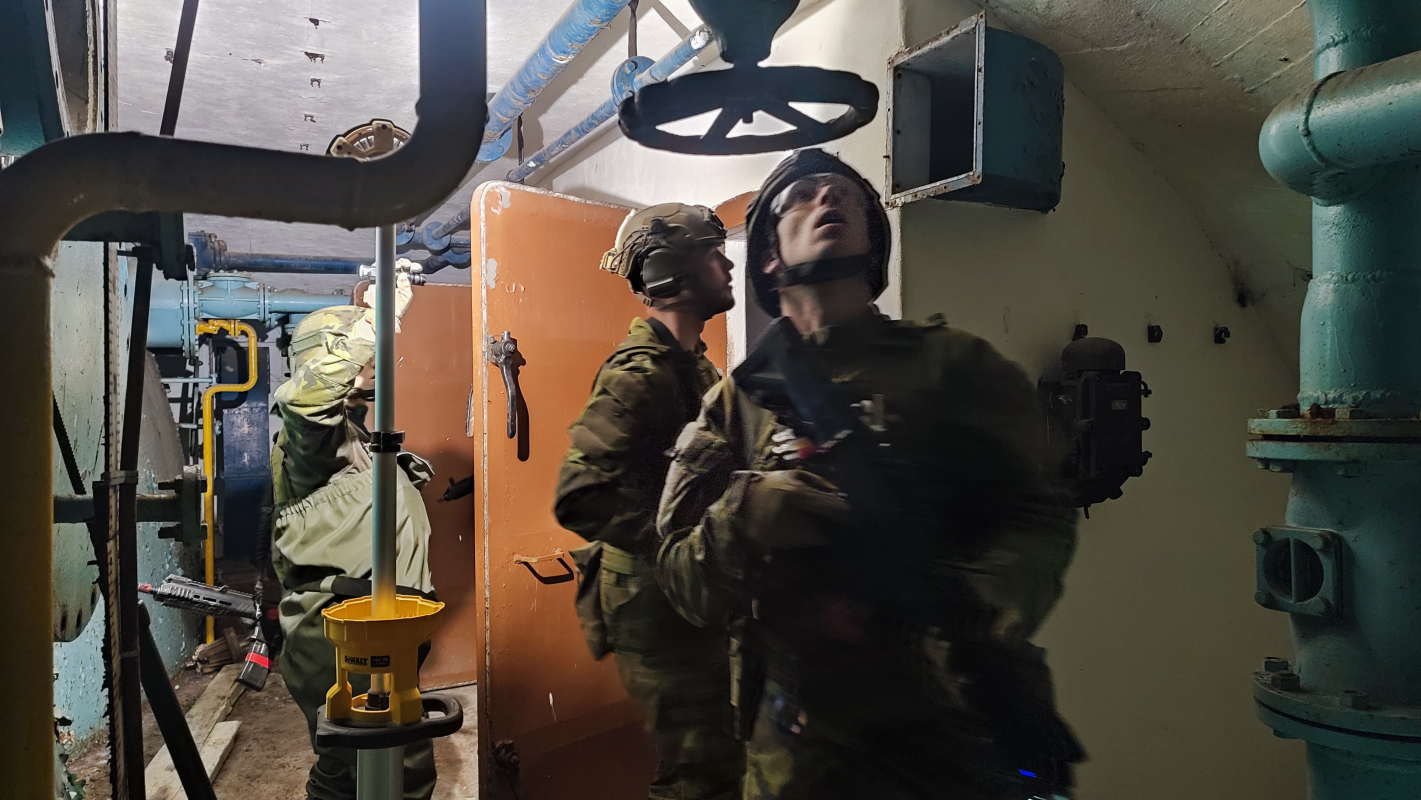
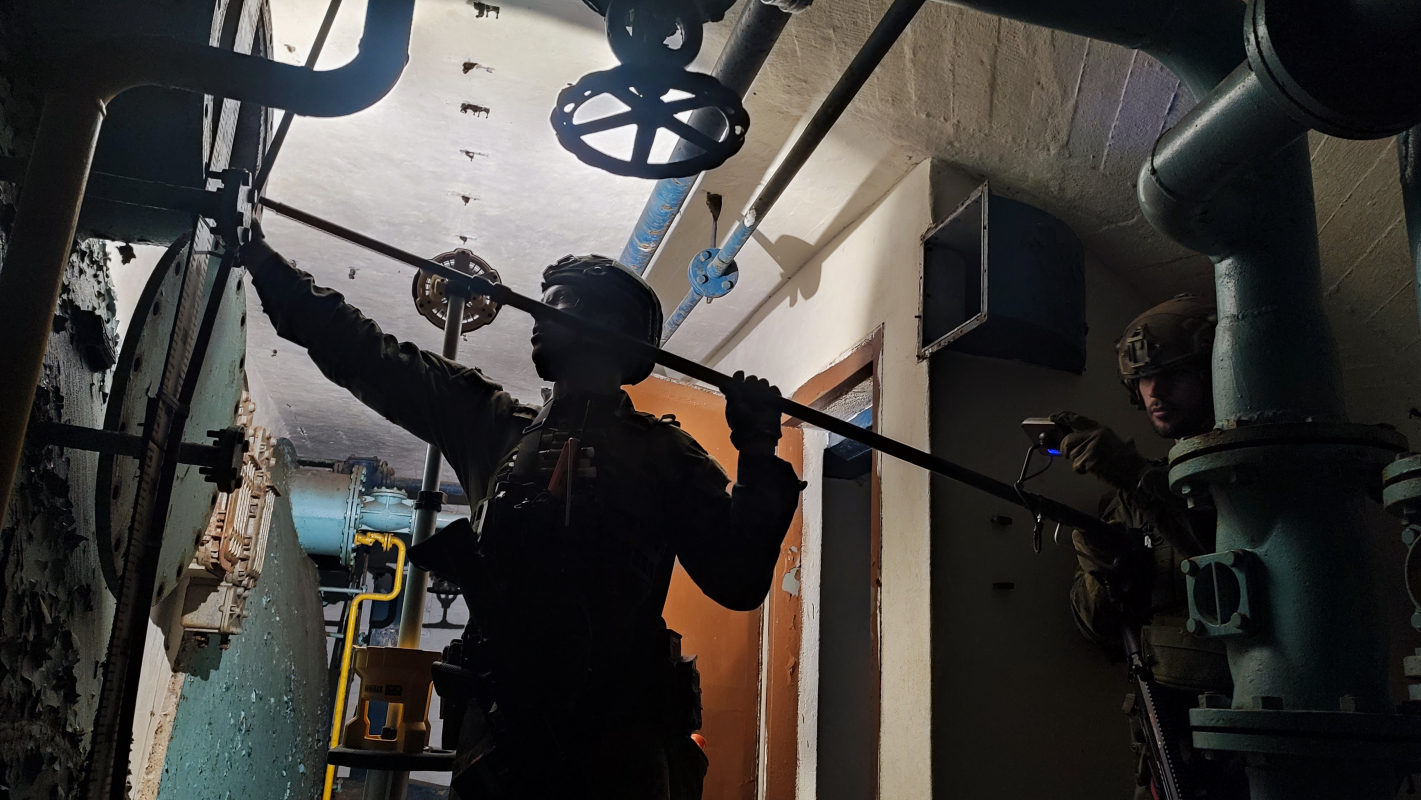
Tunnels, underground spaces, tall structures, vehicles and locations where explosive, chemical or other hazardous substances may be present: these are the environments in which the Advanced Search team of the 152nd Engineer Battalion operates. Its task involves more than finding an object. Specialists must recognise and assess threats, reach them safely and establish conditions for other units to continue their work.
The Tým Pokročilého pátrání, also known as Advanced Search, is part of the EOD Company of the 152nd Engineer Battalion, 15th Engineer Regiment. It comprises two groups: one focusing on difficult-to-access spaces, the other on specialist equipment. Its personnel draw primarily on engineer and EOD expertise, progressively acquiring additional skills for environments that ordinary units find difficult to access.
When a Standard Search Is Not Enough
Advanced Search is used when standard procedures are insufficient or elevated risks are expected. These may involve explosive devices, mines, booby traps, chemical or radioactive substances, or spaces that are difficult and dangerous to enter.
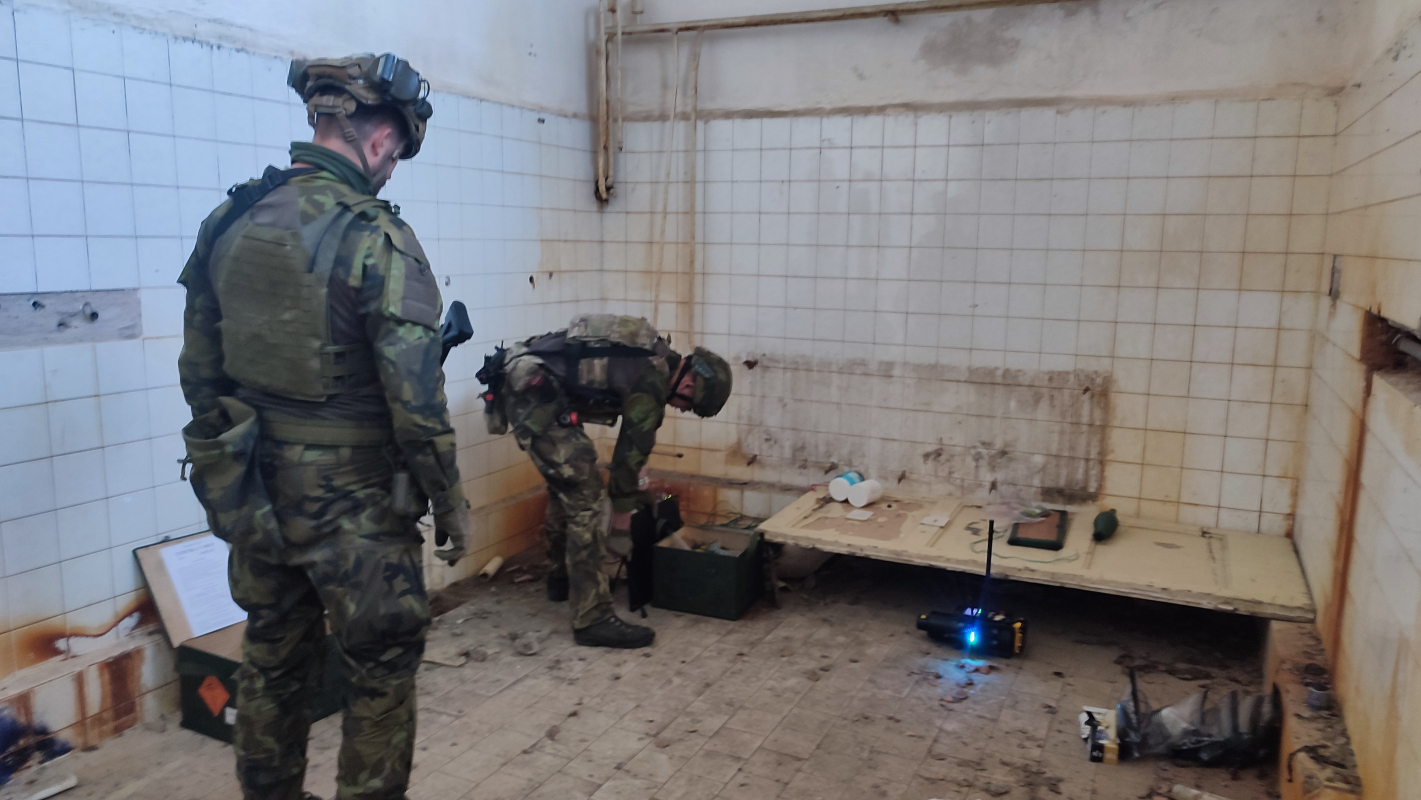
The idea that a search team's principal task is finding an explosive device already planted captures only part of its work. Such a discovery may be the final stage of a much wider problem. Combining intelligence with timely action can help reveal an adversary's support infrastructure before an attack occurs. Search objectives may therefore include locations used to manufacture or modify hazardous devices, caches of components or finished devices, and dangerous substances.
The most important discovery is not always an explosive. It may be a small recording device, documents, photographs, maps or other material that, once assessed, helps uncover planned activity, logistical connections or the financing of hostile individuals or groups. A search operation's significance often lies both in the object found and in the information it provides.
Specialist searches may cover buildings, vehicles, routes, underground spaces, technical installations and other complex environments. Each situation requires a different approach, combination of expertise and, often, equipment.
First, Understand What Lies Ahead
The team must be able to work underground, at height and in confined spaces. It uses specialist equipment for work at height and below ground, camera systems and equipment that allows a location to be examined before a person enters.
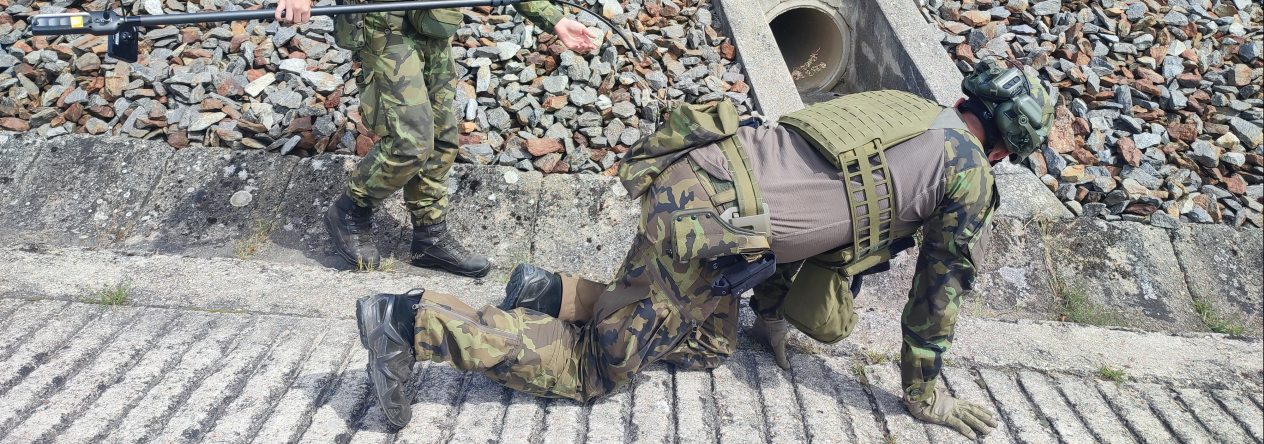
Its equipment also includes detection systems, metal and wire detectors, subsurface reconnaissance systems and devices for identifying selected chemical and radioactive substances. Depending on the task, specialists may also use X-ray and other specialist equipment.
Technology alone is insufficient. Information must be assessed correctly, placed in context and used to determine a safe next step. A specialist must also recognise when a task exceeds the team's capabilities and requires additional expertise.
Cooperation between specialists is fundamental to Advanced Search. Complex operations may involve military engineers, EOD specialists, divers, chemical defence specialists, medical personnel and other expert teams. Advanced Search therefore trains regularly with other Czech Armed Forces units and, where appropriate, other security services.
Direct cooperation with EOD teams and sharing experience about evolving threats and detection capabilities are particularly important. The team also receives support from the CTIP group in developing its capabilities.
The success of a complex operation often begins with planning. A commander must understand each team's capabilities, limitations, logistical requirements and the time for which it can perform a task. Underwater reconnaissance illustrates this clearly: the diver, support personnel and the specialist assessing information collected below the surface must coordinate their activities.
Joint training often reveals new uses for equipment. A camera system originally intended to inspect pipes, cavities or other difficult-to-access places can also transmit images from a diver's work area. An EOD or Search specialist can then observe conditions almost in real time, help assess a discovered device and use the recording for further analysis after the task. The same principle can apply in underground or complex spaces where conventional image and data transmission is limited.
Modern Technology Cannot Replace People
Robotic systems, sensors, cameras and uncrewed systems are gradually changing how hazardous spaces can be examined. Their main advantage is keeping people as far from threats as possible. Some situations, however, still require human presence.
Specialists must work in complex environments, interpret conditions correctly and respond to unexpected developments. Training therefore extends beyond operating equipment to rescuing and extracting people from hazardous or difficult-to-access spaces. If someone is injured, the team must both bring its member to safety and establish what happened and what risks remain. This information may be crucial to the next steps.
Although Advanced Search is a highly specialised capability, its personnel remain soldiers first. Marksmanship, tactics, weapons handling and movement in a combat environment form the foundation for their additional expertise.
The team may operate in a relatively secure area, but must also be prepared for threats from adversaries, uncrewed systems or indirect fire. Its personnel must keep pace with the supported unit while continuing their specialist work. Their engineer background also informs training on mine hazards, booby traps and obstacles.
Advanced Search is therefore part of the wider military engineering capability to support combat units and enable their continuing operations.
Mission Experience and Lessons from Today's Conflicts
Search operations are familiar to the armed forces. They played an important role in overseas missions in Kosovo and Afghanistan, helping reveal adversary support networks and limit their capabilities.
Experience from earlier operations cannot simply be repeated. Technological development, readily available electronic components, uncrewed systems and lessons from the war in Ukraine show how quickly equipment and its employment can change.
The internet has greatly accelerated the spread of information and knowledge. Experience also travels through people: those who acquire skills in combat on the front line or in rear areas may move between regions and pass on or offer those skills. Their motivation may include financial gain as well as ideology.
Specialists must therefore continually monitor new trends, technologies and tactics. Lessons from previous missions must be combined with contemporary conflict experience and reflected in training. Information sharing, cooperation with EOD teams and support from other specialist organisations, including CTIP, are important to this process.
Finding Threats Before They Take Effect
Advanced Search is also increasingly important in protecting essential facilities and systems. During training, specialists may examine large or technically complex spaces and cooperate with military divers to survey locations below the water's surface.
Training in environments resembling a potential deployment provides experience that cannot be fully obtained at a training site alone. Soldiers learn to estimate the time required to search an area, integrate different specialisations and better understand the facility itself.
The outcome may extend beyond finding a specific threat. Specialists' experience can also help assess a facility's security and identify areas deserving closer attention.
Advanced Search involves much more than looking for a suspicious object. It combines planning, engineer knowledge, modern technology, specialist skills and the ability to place findings in their wider context.
Sometimes the result is an explosive device. At other times it is a few components, a document, a photograph or a small electronic device that initially appears insignificant. Combined with other information, such a discovery may help uncover a much larger threat.
The purpose is straightforward: learn as much as possible about an area, its threats and adversary activity before they can endanger other soldiers or civilians, and establish conditions for the safe continuation of an operation.
Author: Maj Richard Maňásek