- 5.10.2026
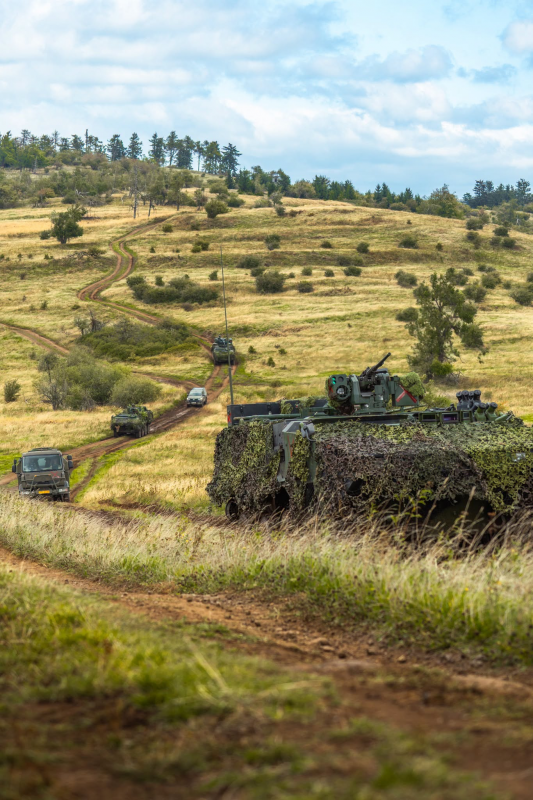
Remotely deployed minefields, felled trees blocking a road, and a mechanised unit that needs to continue its advance. A single exercise scenario brought together two fundamental roles of combat engineering. Personnel from the 15th Engineer Regiment constructed obstacles designed to slow down and channel an advancing force. Military engineers from the 41st Mechanised Battalion were then tasked with reopening the route, enabling the 3rd Mechanised Company to continue its attack.
Engineer obstacles serve a straightforward but important purpose on the battlefield: restricting an adversary's freedom of movement and forcing them to react. They do not always need to stop an opposing force completely. Delaying its movement, forcing it to change direction or requiring it to commit additional resources can be enough to achieve the intended effect.
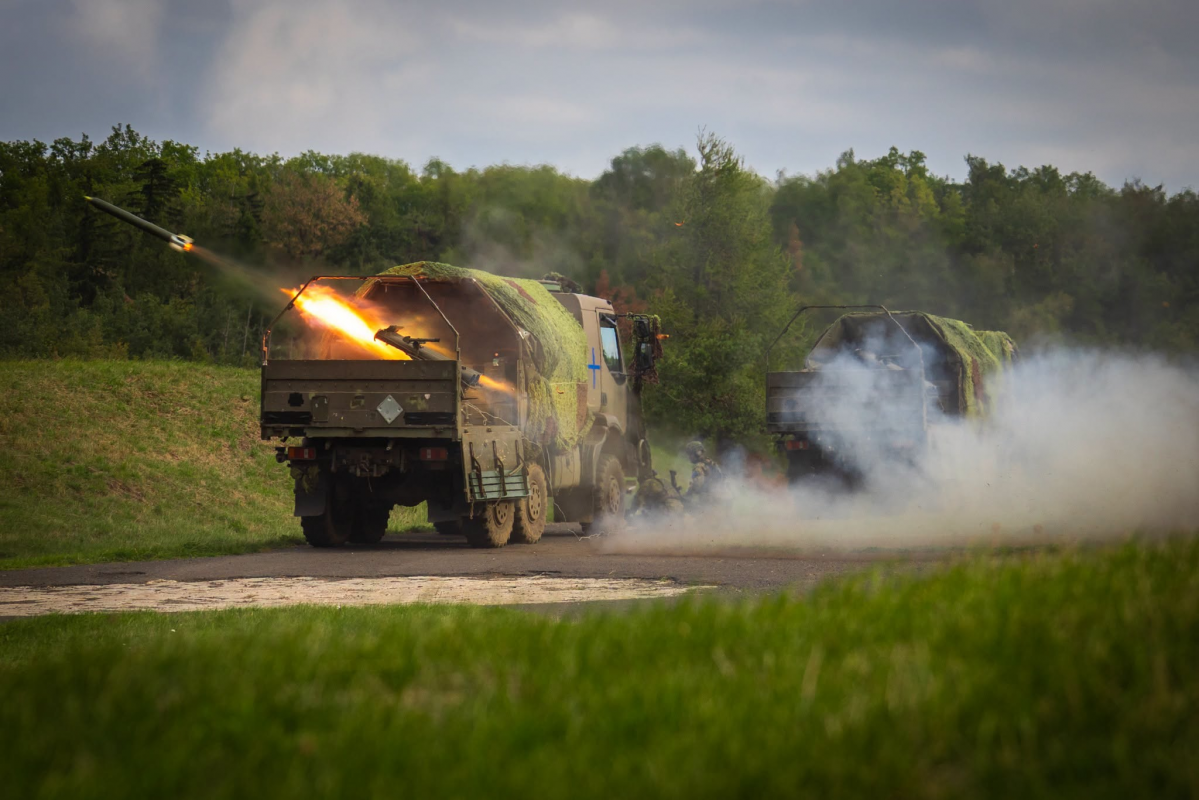
This was the task assigned to personnel from the 15th Engineer Regiment, who established remotely deployed minefields and constructed obstacles using felled trees along the mechanised company's route of advance.
Establishing a Minefield in a Short Time
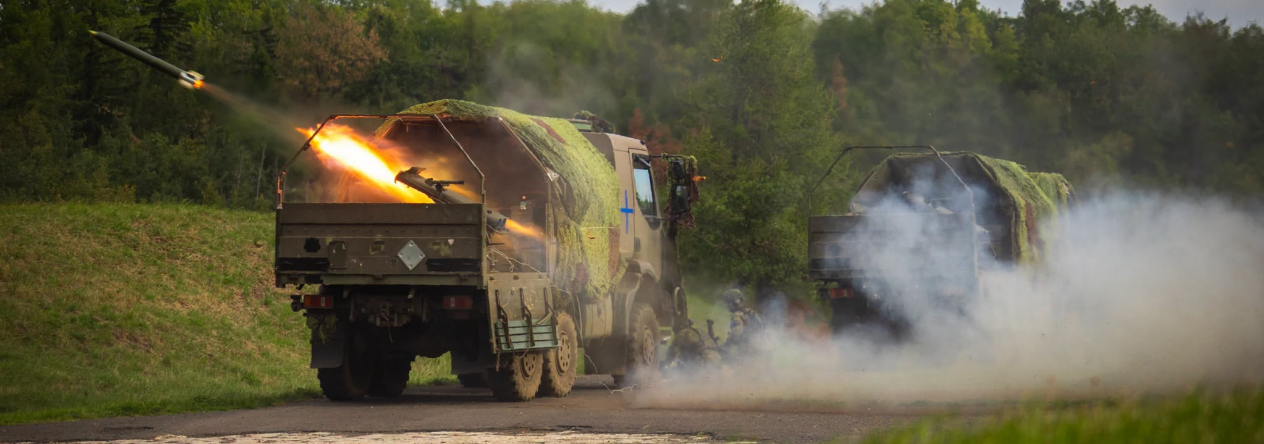
Minefields do not necessarily have to be established by laying individual mines manually. Mine-dispensing systems allow anti-tank obstacles to be created remotely and within a relatively short period, restricting access to a designated area.
A minefield established in this way significantly changes the conditions facing an advancing unit. The unit can no longer maintain its original pace and must first assess the situation. Reconnaissance, the search for alternative routes and preparations to create a passage become essential.
The significance of a minefield lies not only in the mines themselves but in its ability to restrict an adversary's options and disrupt their tempo. Every delay or forced change of direction costs time and can undermine the original plan.
Influencing the direction of movement is therefore one of the most important effects of engineer obstacles. When an opposing force cannot use its preferred route, its subsequent movement may become easier to anticipate, allowing friendly units to adjust their actions accordingly.
Abatis: Making Use of the Terrain
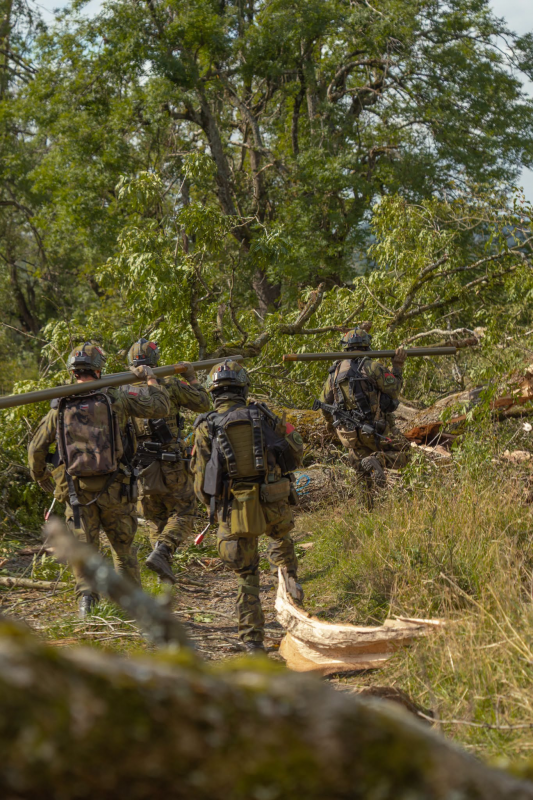
In addition to minefields, the engineers constructed obstacles from felled trees, commonly known in military terminology as abatis.
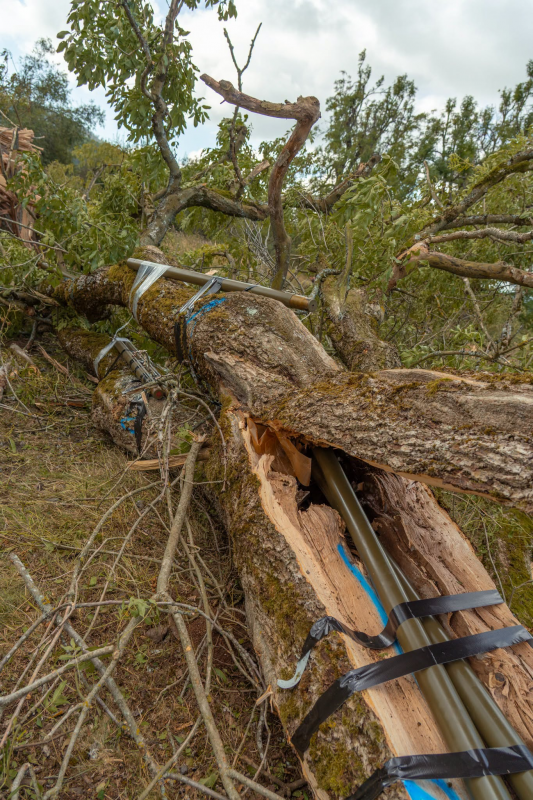
The principle is simple: trees are felled and positioned so that their trunks, branches and crowns form a continuous obstacle across a road or another avenue of approach. These obstacles are particularly effective in locations where bypassing them is difficult.
On a forest road or in complex terrain, an abatis can halt even a column of military vehicles. The difficulty lies not only in the tree trunks themselves. Overlapping crowns and interwoven branches create a substantial barrier that requires time and specialised equipment to remove.
Combining an abatis with a minefield can increase the effectiveness of both obstacles. One may block the main route of advance, while the other restricts opportunities to bypass it. The advancing force must therefore deal with the terrain before it can continue its original mission.
Engineers from the 41st Mechanised Battalion Face the Opposite Task
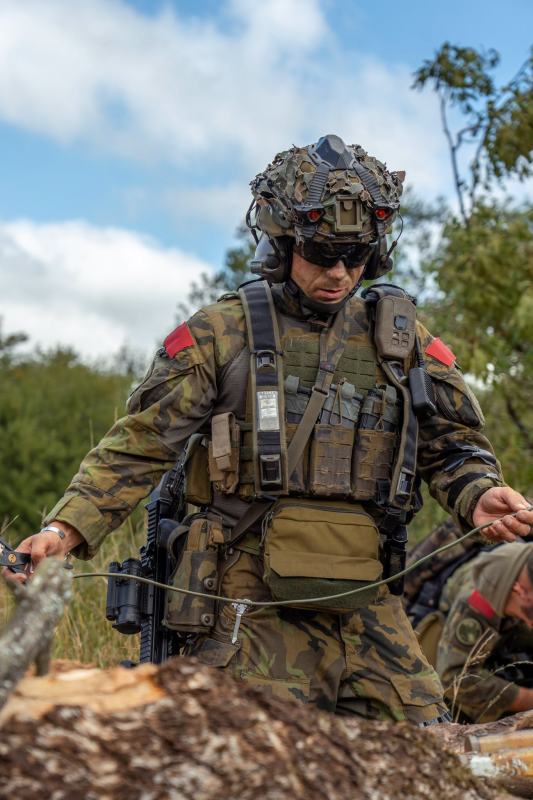
On the other side of the exercise scenario were military engineers from the 41st Mechanised Battalion. Their mission was the exact opposite: to restore freedom of movement for friendly forces.
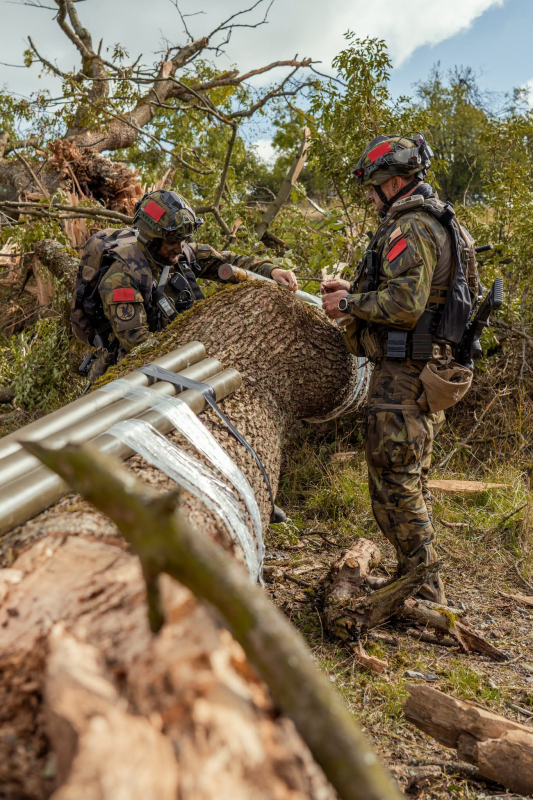
After identifying the abatis, they had to assess the obstacle and determine how to create a passage suitable for the advancing mechanised company. This required more than removing individual trees. The objective was to reopen the entire route.
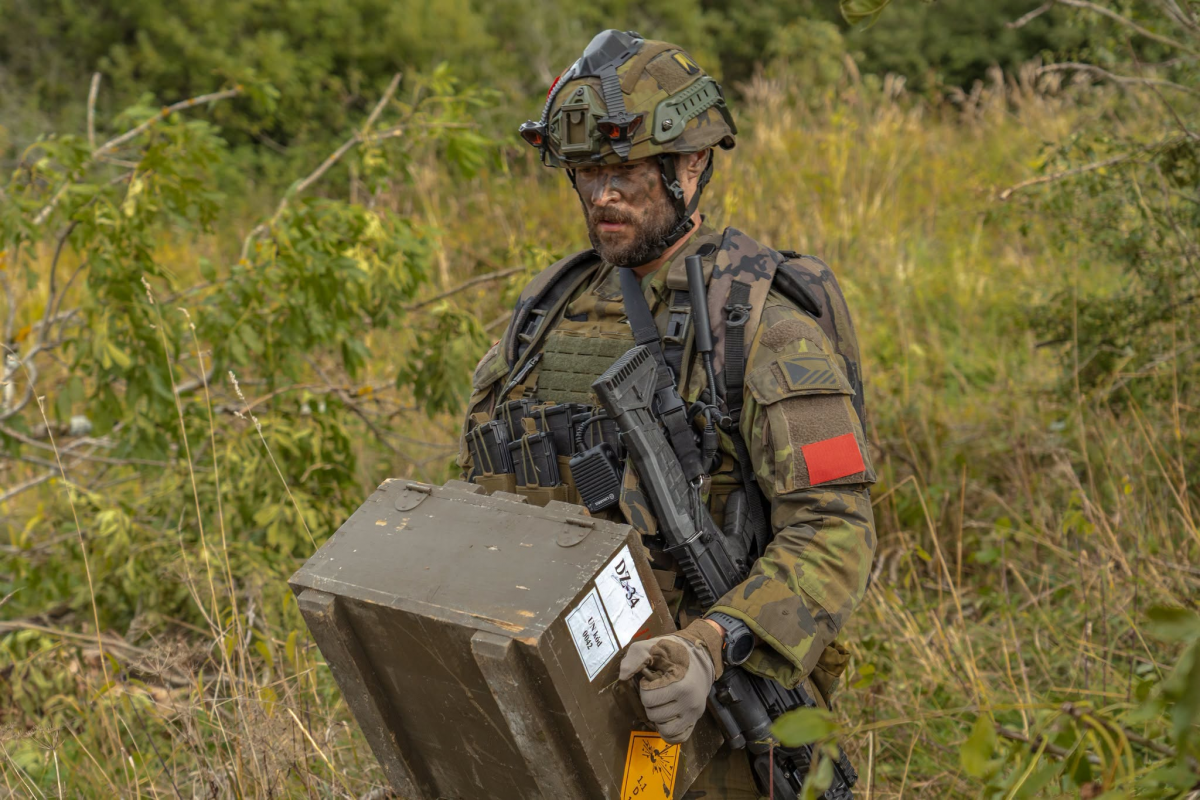
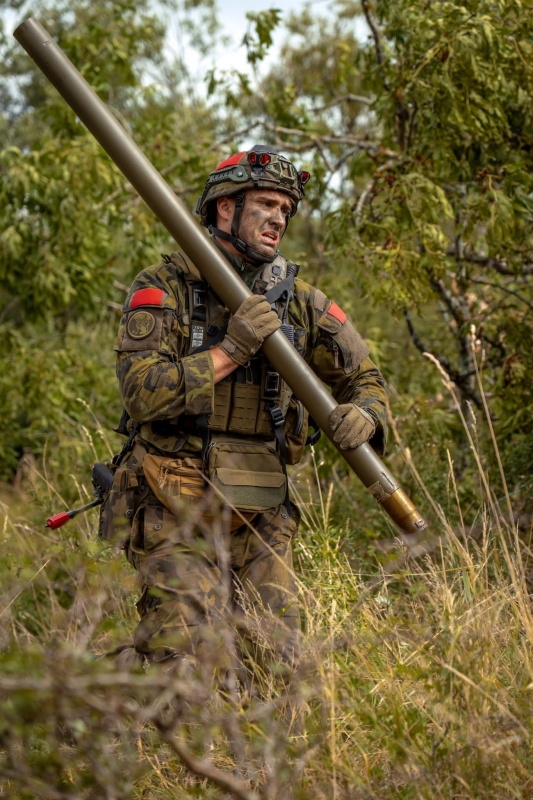
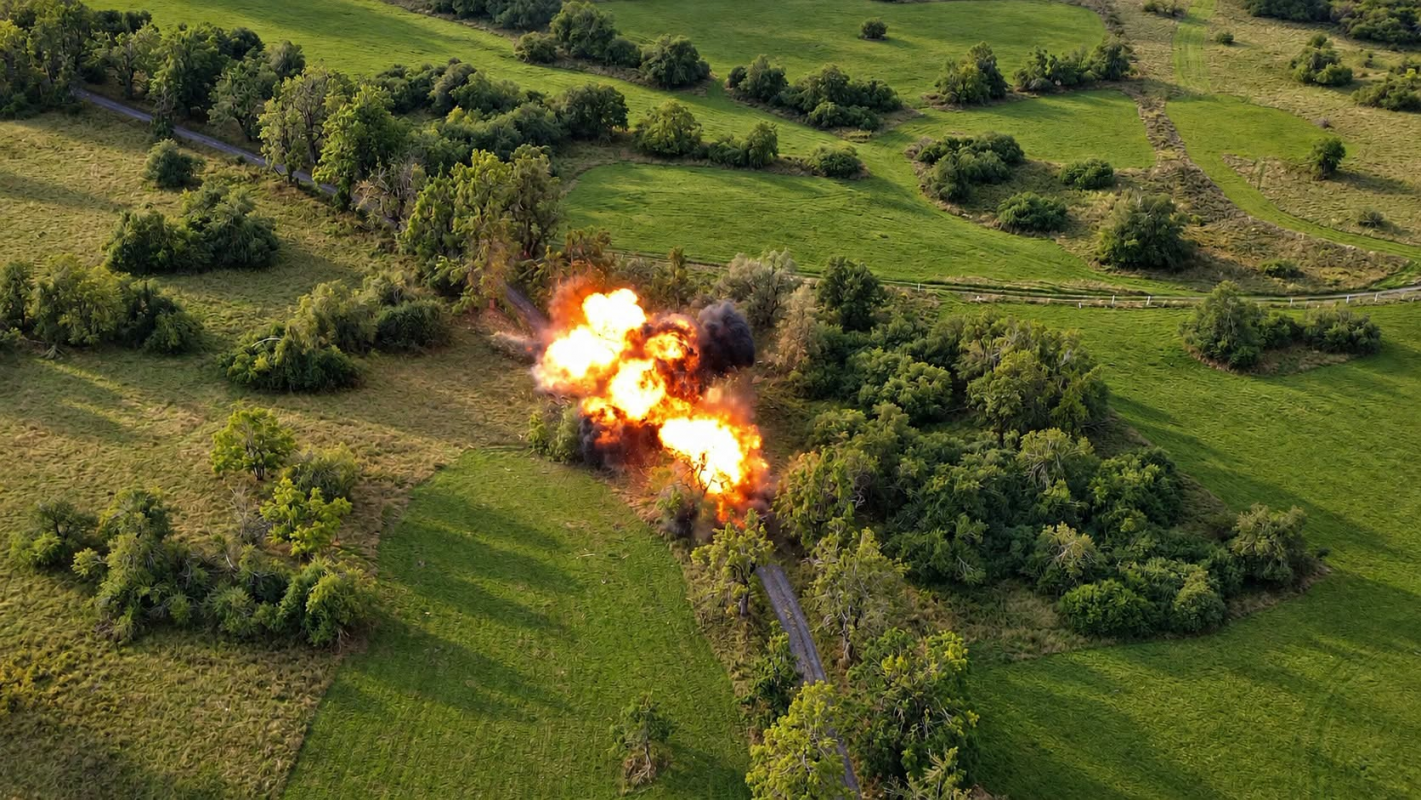
The engineers selected an explosive method of obstacle clearance. They placed elongated TNT-based explosive charges and smaller TNT charges on selected sections of the tree trunks. Careful preparation was necessary to ensure that the obstacle would be disrupted in the required locations when the charges were detonated, allowing a passage to be created.
This preparation often receives less attention than the detonation itself. An explosion lasts only a fraction of a second, but it is preceded by reconnaissance, obstacle assessment, preparation of equipment and coordination across the team.
The Objective Is Not the Explosion, but the Passage
When clearing an obstacle, the decisive factor is not the explosion itself but its result. Military engineers must plan and conduct the operation so that the route can be reopened as quickly as possible after the trunks have been disrupted. If the obstacle remains impassable after the detonation, the operation has not achieved its purpose.
Inspecting the area after the explosion is therefore another essential part of the task. The passage must meet the requirements of the unit that will use it. A route intended for dismounted soldiers has different requirements from one intended for wheeled or tracked vehicles.
In this scenario, the route had to remain suitable for the continued movement of mechanised units. The engineers therefore conducted their task not as an isolated technical activity, but as a direct contribution to the company's continued advance.
The Fight for Freedom of Movement
The exercise demonstrated that combat engineering involves two opposing but complementary capabilities. The first is the ability to create obstacles and modify terrain to restrict an adversary's movement. The second is the ability to overcome obstacles and enable friendly forces to maintain their operational tempo.
Personnel from the 15th Engineer Regiment established minefields and abatis designed to disrupt the advance of the 3rd Mechanised Company. Engineers from the 41st Mechanised Battalion then had to overcome these obstacles and reopen the route.
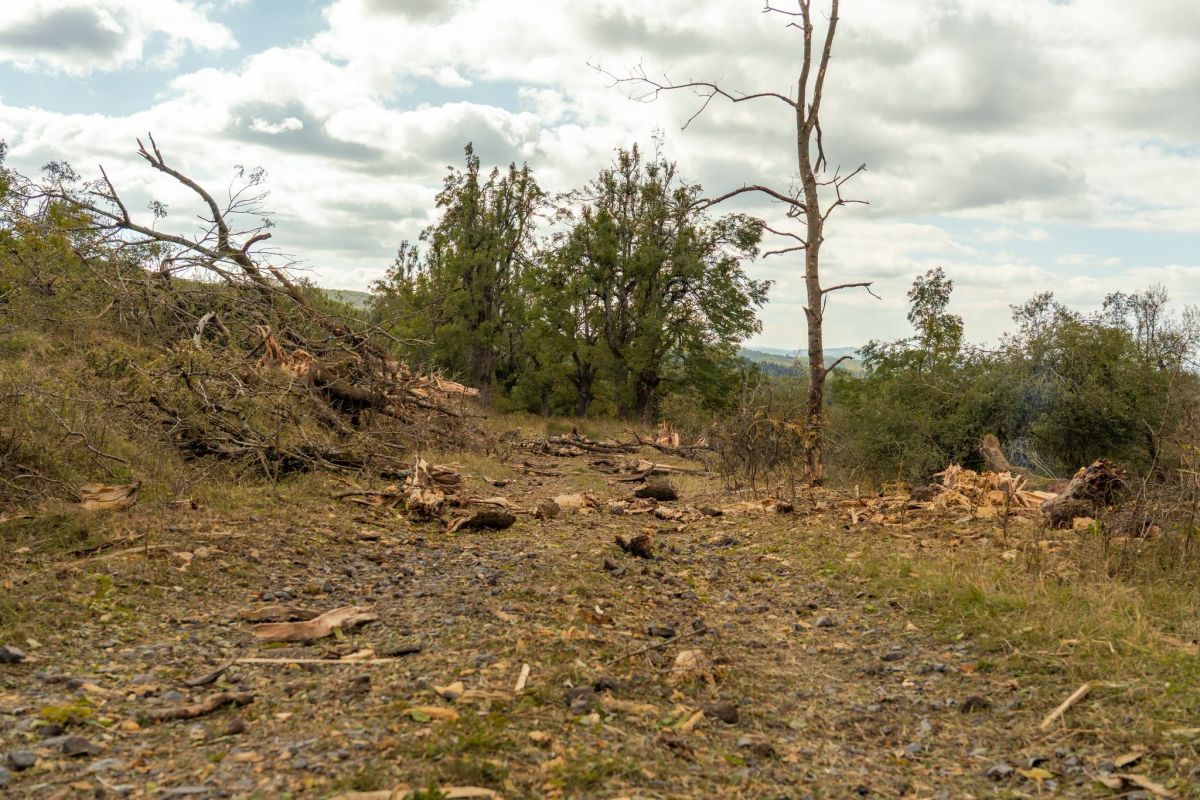
They completed their mission. The abatis was disrupted, the required passage was created, and the mechanised company was able to continue its attack.
Scenarios such as this demonstrate that success on the battlefield is not determined by firepower alone. The ability to exploit terrain, restrict an adversary's movement and maintain the mobility of friendly forces is equally important. Military engineers play an indispensable role in achieving all three.
Author: Maj Richard Maňásek