- 27.9.2026
A drone can detect the movement of people or vehicles. A sensor can pick up a signal, and a reconnaissance patrol can describe conditions on the ground. Yet a person can often provide the greatest insight into an adversary's actual intentions, motivation, morale or relationships within a group. HUMINT specialists in the Czech Land Forces are trained to collect and process information from human sources.
The modern battlefield is increasingly connected to the latest technology. Information comes from uncrewed systems, cameras, radars, sensors, electromagnetic reconnaissance and satellite imagery. Even the most advanced equipment, however, may not explain why an adversary behaves in a particular way, what they plan to do next or what is happening within their organisational structures.
This is where HUMINT, or Human Intelligence, has an indispensable role. It is intelligence obtained through interpersonal contact and human sources. Its value lies above all in adding context, motivations and intentions to technical findings: information that cannot simply be captured by a camera or another sensor.
A Distinctive Czech Armed Forces Capability
HUMINT specialists support commanders and deployed units with information that helps build the most accurate possible picture of the situation. This may concern an adversary's structure and strength, weapons, capabilities, intentions, morale or motivation.
The task involves more than obtaining an individual statement. Information must be recorded accurately, assessed, processed and placed in context. Only then can it become part of an intelligence product useful for planning and decision-making.
Communication Is the Working Tool
HUMINT personnel work primarily with people. Their fundamental tools therefore include the ability to establish professional contact, formulate questions appropriately, listen carefully and recognise potentially important information, alongside military equipment.
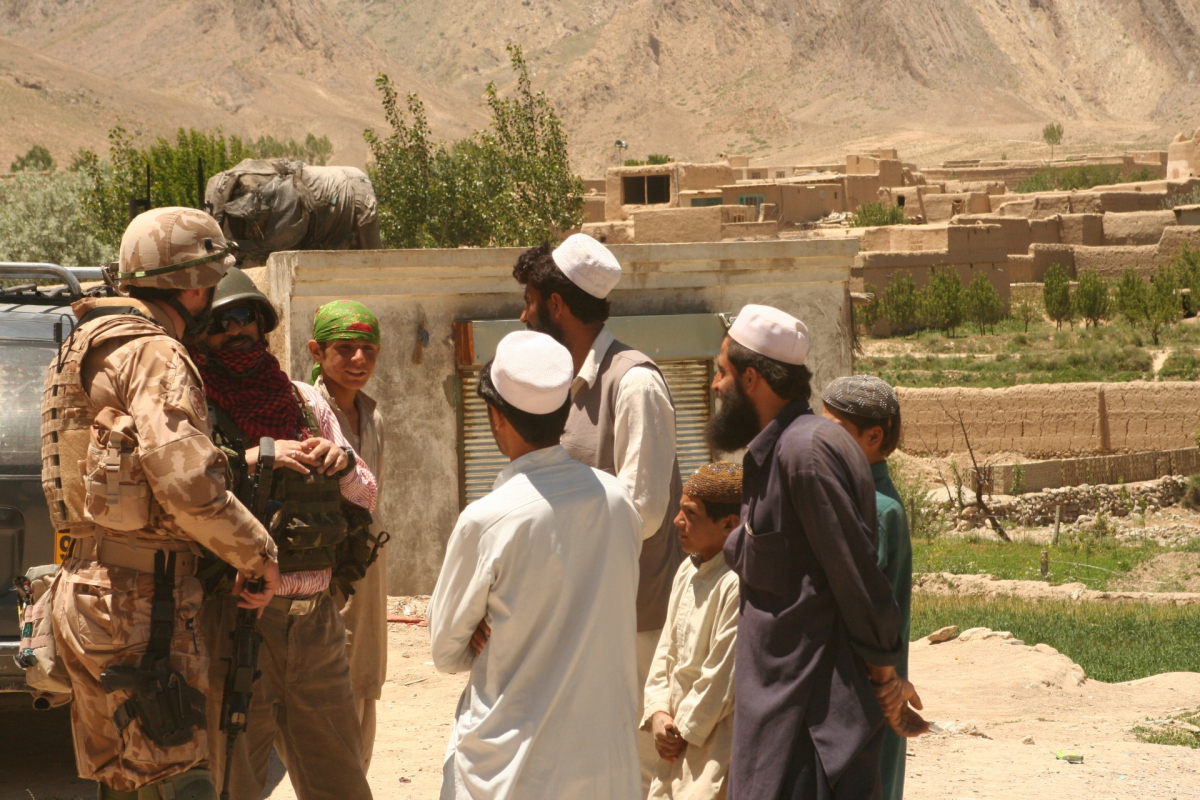
On overseas operations, they may encounter people of different ages, status, educational backgrounds and cultures. Each situation requires a different approach to communication. What works in one conversation may not work in another.
A HUMINT operator must adapt their approach to the individual and the environment. They must understand local conditions, social relationships, customs and possible sources of tension. Alongside military training, language skills, broad general knowledge and an understanding of political, security and social developments therefore play an important role.
A well-phrased question may yield information unavailable through technical means. Equally important is the operator's ability to recognise whether a person has genuine knowledge, is repeating hearsay or has a reason to distort the facts deliberately.
Collecting Information Is Only the Beginning
Every piece of information requires careful assessment. People can be mistaken, remember events inaccurately or describe only part of a situation. They may also deliberately alter information to gain an advantage, harm another person or influence a deployed unit's activities.
HUMINT specialists therefore assess both the content of a statement and its origin, circumstances and credibility. They examine whether the person had actual access to the information, is describing personal experience or is merely passing on an unverified report. Findings are then compared with other available information.
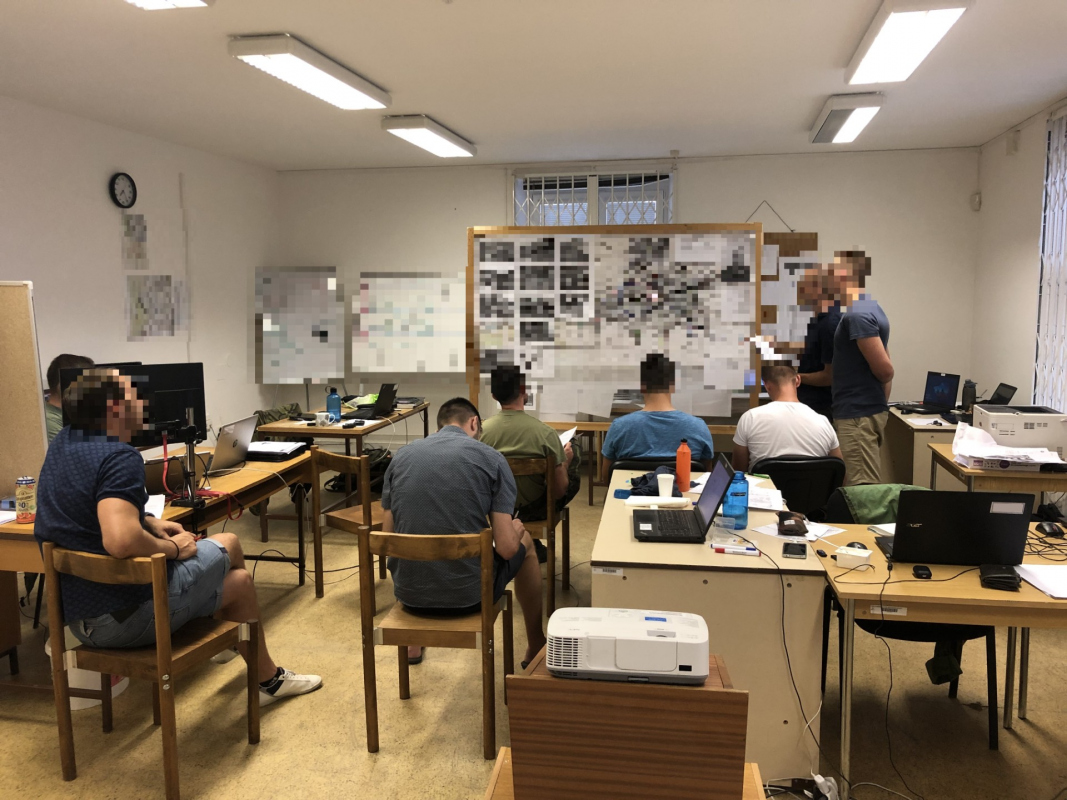
Combining different sources is essential to building a fuller picture. An uncrewed aircraft might record a group's movement, while electromagnetic reconnaissance detects increased activity in an area. HUMINT may help explain who is present, their possible objective and what might happen next.
Technical and human sources complement one another. One capability may reveal what is happening, while information from people helps explain why and what developments can be expected.
Information That Can Protect Lives
HUMINT findings can directly affect the safety of Czech and Allied soldiers. Timely information may warn of an emerging threat, a change in the operational situation, the movement of weapons or equipment, or hostile group activity.
A commander can then adjust planned activities, change a movement route, strengthen protection in a particular area or take other measures. Information is therefore valued above all for its accuracy, timeliness and relevance to the task, rather than its volume.
HUMINT specialists process findings into a form usable by intelligence staffs and commanders. They must clearly distinguish verified facts from assumptions, state the level of credibility accurately and prevent personal opinions from influencing the resulting intelligence product.
An inaccurately recorded detail or incorrect assessment can have serious consequences. The work requires care, responsibility and the ability to maintain a critical perspective even when information initially appears convincing.
Experience from Overseas Operations
Czech HUMINT specialists have operational experience in different security and cultural environments. They have served, for example, in NATO operations in Afghanistan and in African countries as part of European training missions.
They provided information support to Czech units, contributed to intelligence protection and helped build an understanding of insurgent groups' structures, capabilities and intentions. Their work supported monitoring of the security situation and the movement of people, weapons and other equipment.
Each deployment requires thorough preparation. An operator must learn about the area's history, local social relationships, religious and cultural customs and the structure of potential security threats.
Without understanding the environment, they could misinterpret a statement. Words, gestures and behaviour can have different meanings across cultures. Cultural awareness is therefore an important part of a HUMINT soldier's professional readiness.
A Good Speaker Is Not Necessarily a Good Operator
HUMINT places demanding requirements on an individual's personality. Being sociable or speaking fluently is not enough. A good operator must above all listen, notice details and consider information in its wider context.
They need sound judgement about people, psychological maturity, emotional stability and the ability to perform under pressure. They must remain calm when faced with unclear, contradictory or deliberately distorted information.
They must also be prepared to think several steps ahead. A person they work with may have their own motives, be under pressure or be deliberately used by an adversary. Caution, critical thinking and risk assessment are therefore as important as communication skills.
Accuracy, discretion, responsibility and compliance with established rules are also essential. Operators handle sensitive information, and their actions can affect both mission performance and other people's safety.
Demanding Selection and Specialist Training
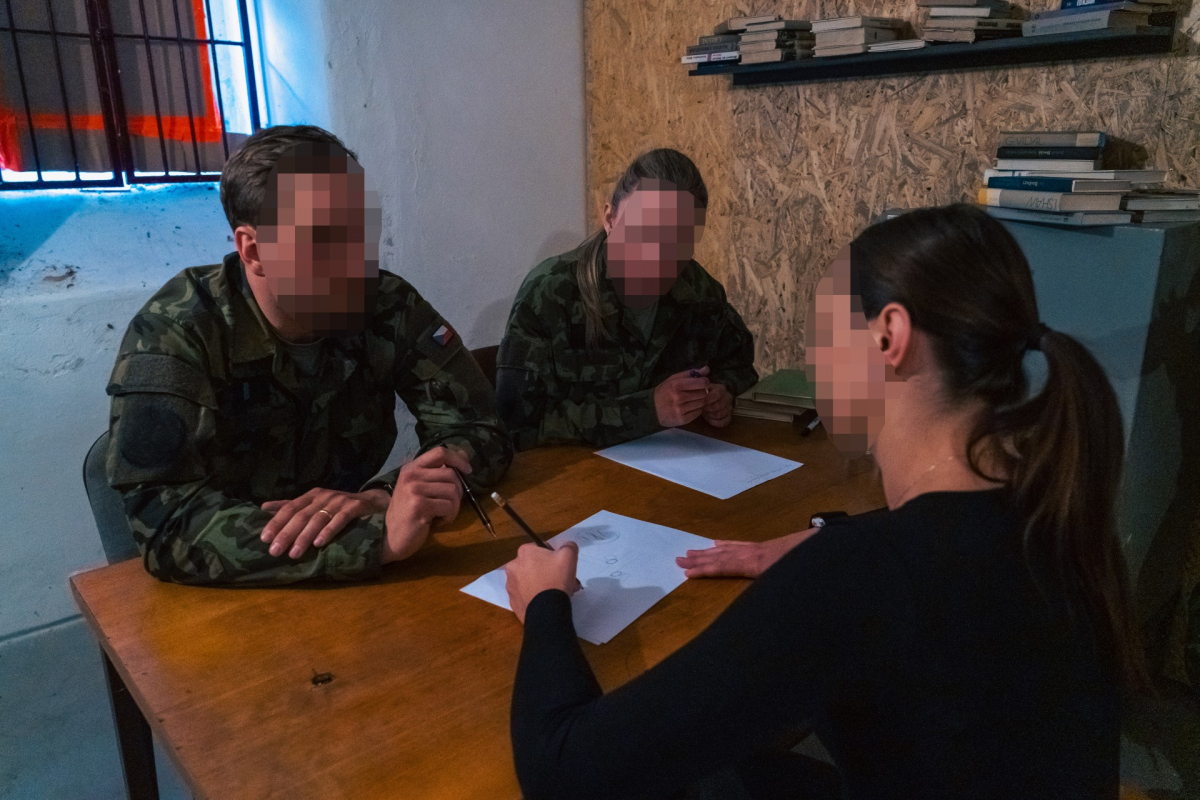
HUMINT specialists are carefully selected from serving professional soldiers and civilian applicants. Candidates undergo selection in which instructors and psychologists assess their suitability for service with the unit.
Assessment includes psychological resilience, emotional stability, performance under pressure, general knowledge and language aptitude. Motivation, cooperation and willingness to accept responsibility for decisions are also important.
Selection is only the start. Those accepted receive specialist training in HUMINT procedures. Unit personnel also attend domestic and international courses and exercises to improve their ability to work in different environments.
Beyond the Film Portrayal of Espionage
The public sometimes associates HUMINT with the cinematic image of a secret agent operating without rules and relying on improvisation. Military HUMINT is instead based on specialist training, planning, precise procedures and thorough processing of every piece of information.
An operator cannot rely on intuition alone. They must substantiate and explain their conclusions and present them in a form suitable for further intelligence processing. All activity takes place within the legal and operational framework of the deployment.
Detailed methods, the conduct of individual activities and specific operational circumstances remain non-public for understandable reasons. Disclosing them could endanger the unit's capabilities, its personnel and the people they encounter during operations. The company's official presentation therefore states that operational deployment details and methods of conducting its activities are classified.
People Remain an Irreplaceable Source
Technology can monitor large areas, intercept communications and transmit images almost in real time. It cannot always reveal human decision-making, motivation, fear, conflicts or actual intentions.
That is why HUMINT retains an established role on the modern battlefield.
HUMINT specialists collect and process information that can improve understanding, reveal threats and support commanders' decisions. Their work depends on communication, listening, analysis and remaining clear-headed.
The most important tool is not always the latest sensor or military equipment. Sometimes it is a well-phrased question, the ability to recognise a significant detail and an accurate understanding of the answer.
Author: Maj Richard Maňásek