- 16.7.2026
Explosive ordnance clearance in former and current military training areas is not one of the armed forces’ most visible tasks, yet it is of enormous importance. It removes hazards left in the landscape after decades of training and shows that military engineers protect not only units during operations, but also the areas in which the armed forces operate.
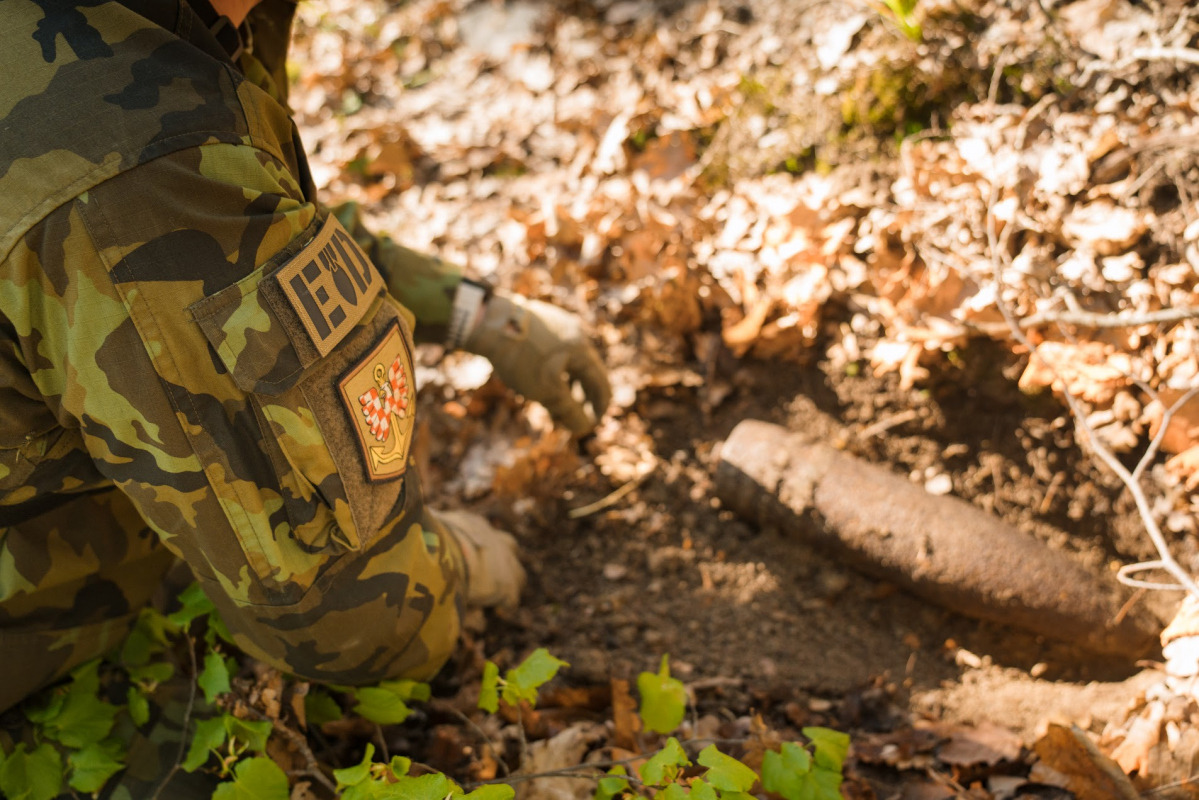
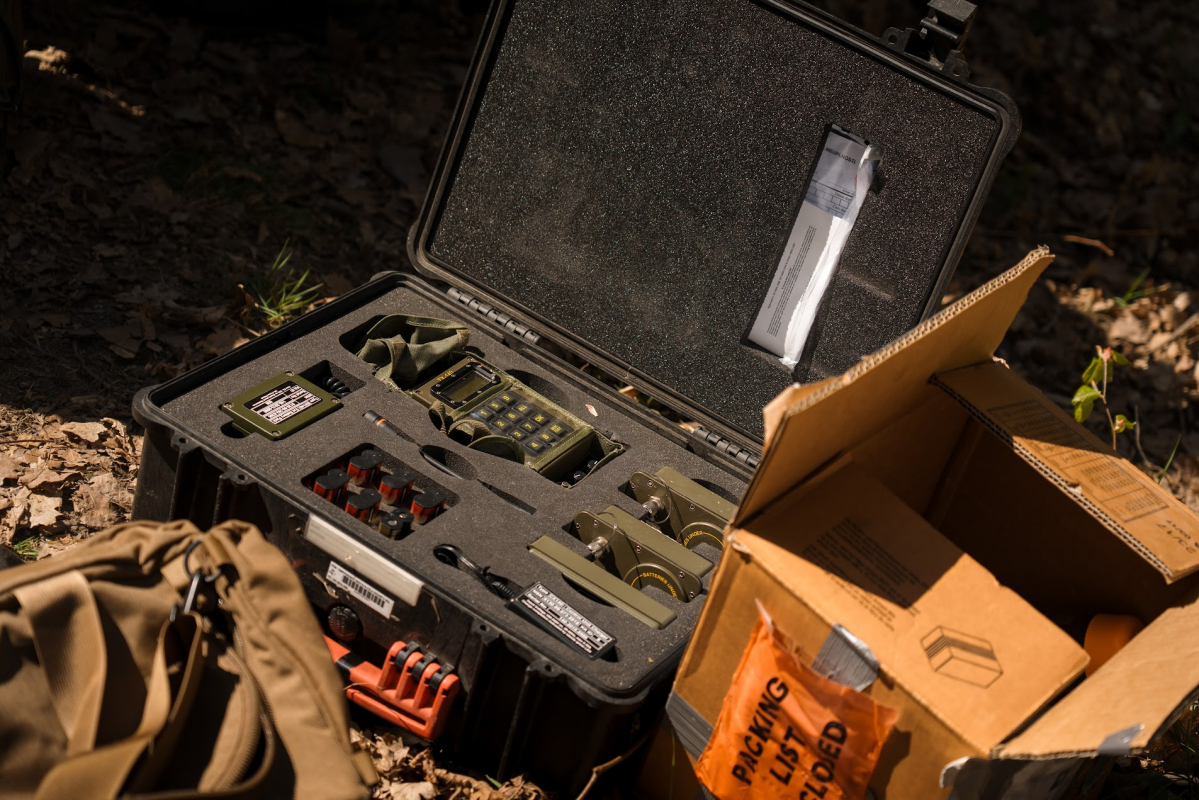
The public most often associates military EOD specialists with explosives or improvised devices. A less visible but highly important part of their work is the clearance of military areas. This involves the systematic search, marking, assessment and removal of unexploded ordnance or hazardous components from locations used in the past for training and live firing, or affected by earlier military activity.
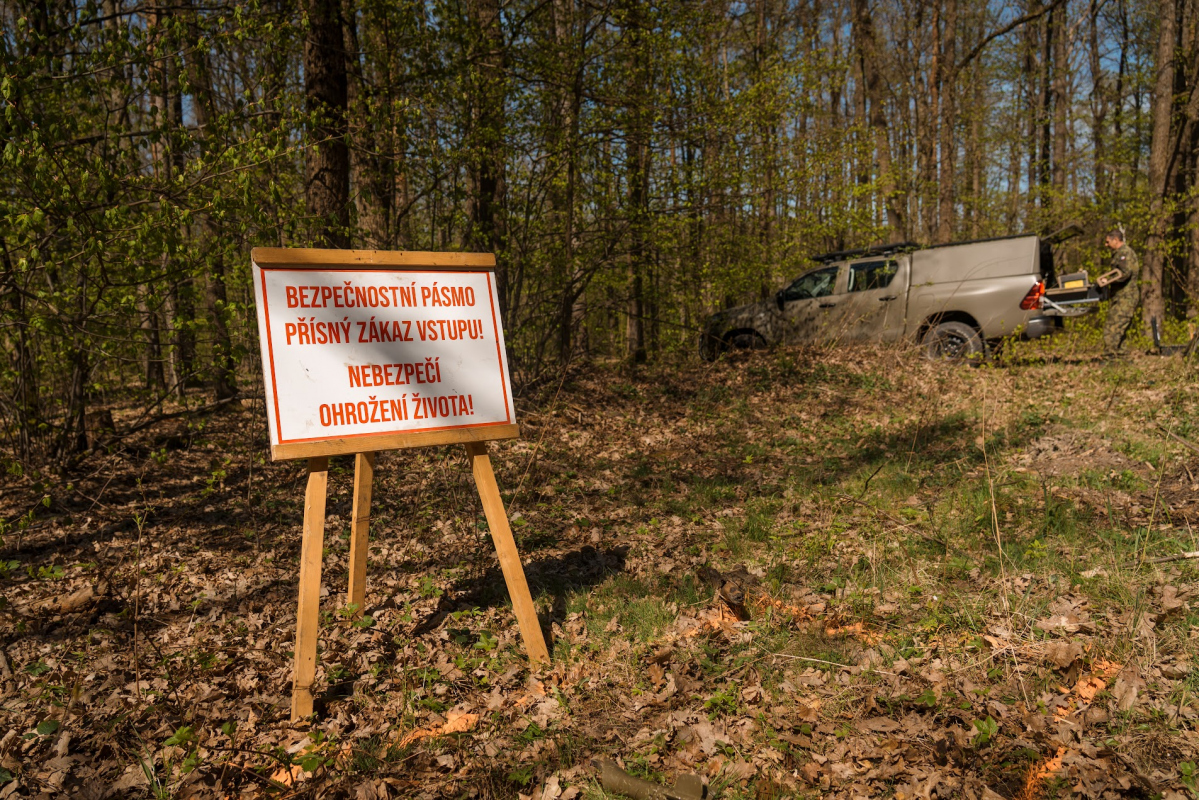
This is not a one-off operation. It is a long-term task requiring planning, knowledge of an area’s history, map work, experienced EOD personnel, support from other soldiers and strict compliance with safety procedures. A military area cannot simply be “walked through and cleared” in a single day. Ordnance may lie below the surface, in different conditions and at different depths, often in places that look no different from an ordinary forest or meadow.
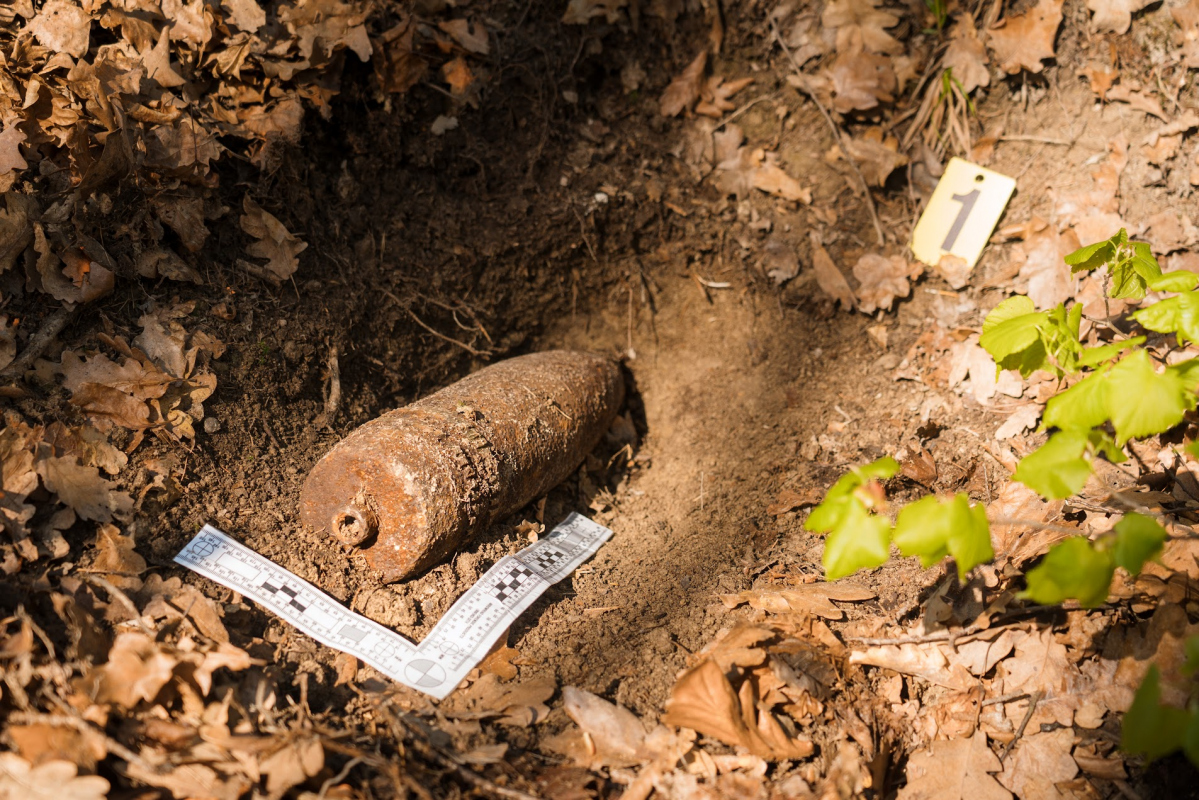
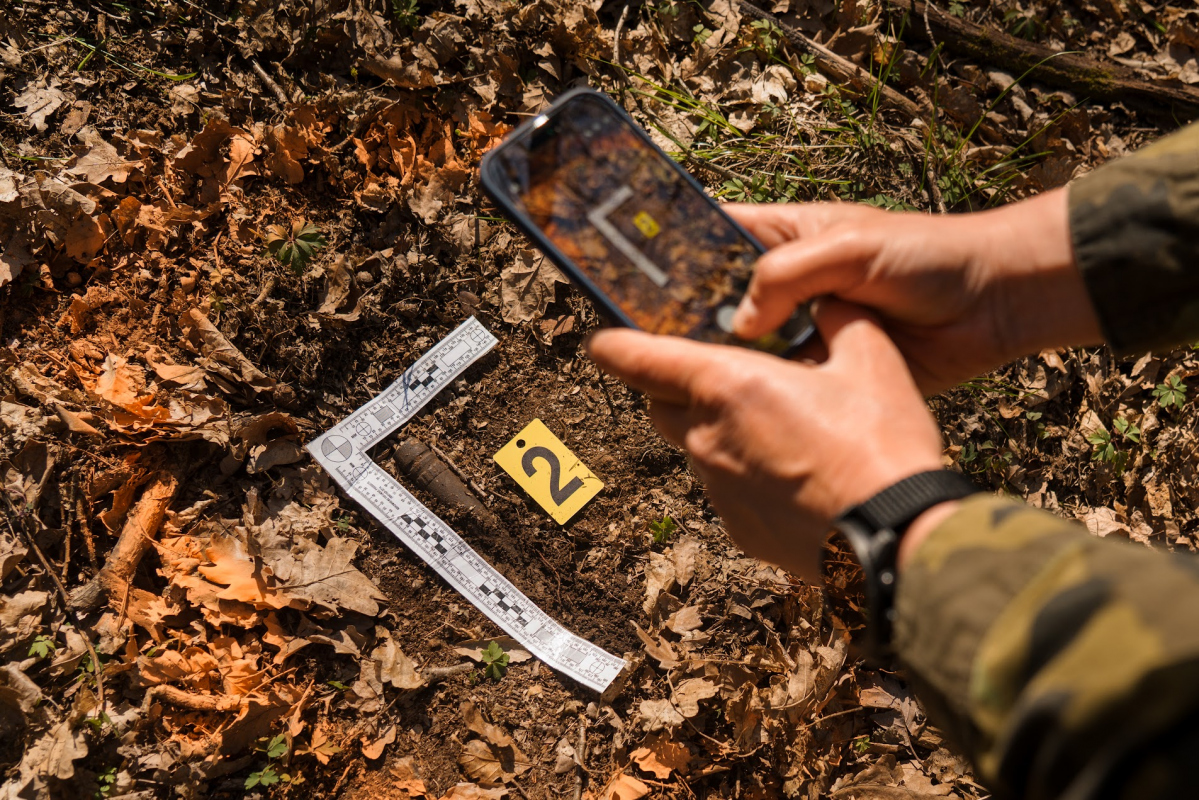
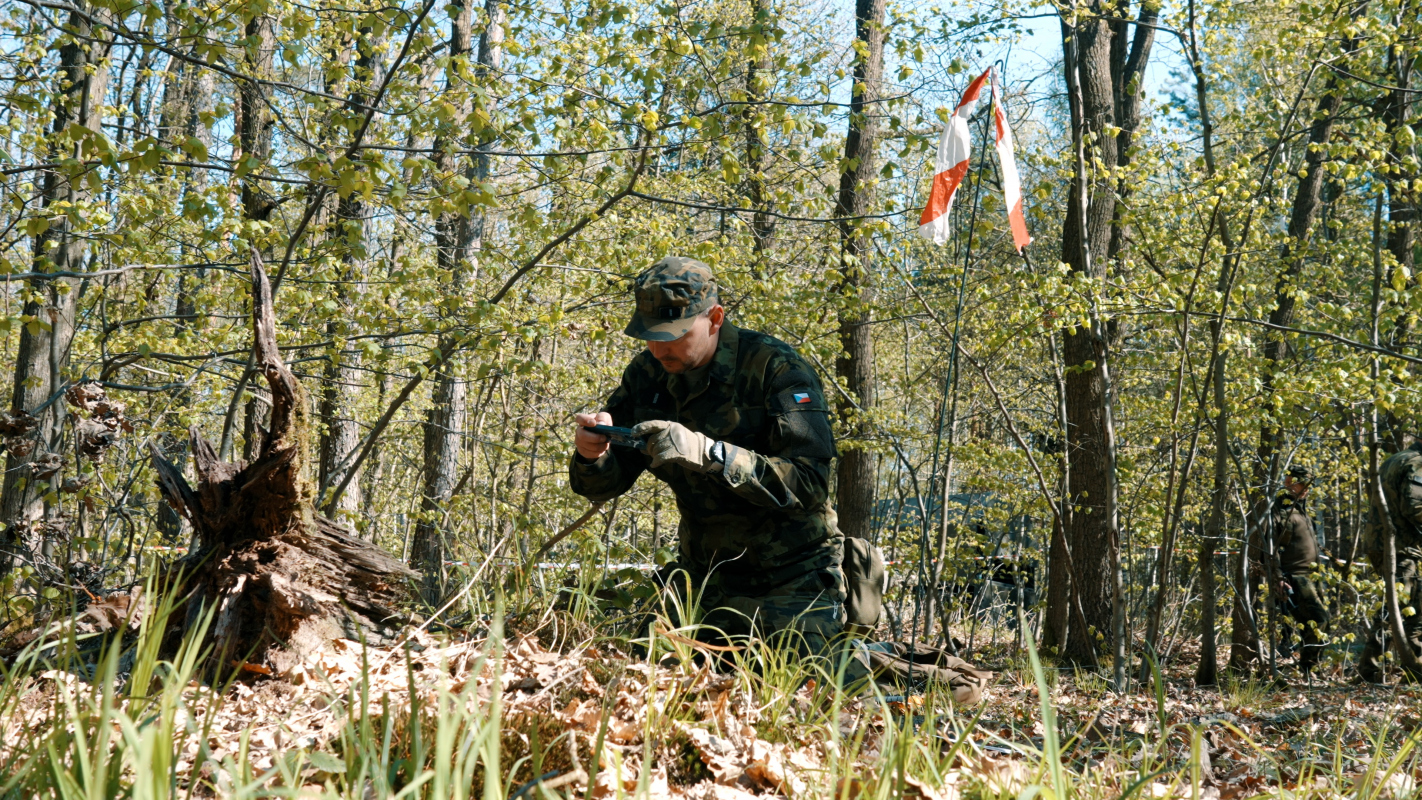
A well-known example is the clearance work in the Brdy area. Before parts of the former military training area could be opened to the public, selected locations had to be inspected and gradually cleared of unexploded ordnance. Specialists use detection equipment, conduct surface searches, mark finds and decide on the appropriate course of action. The key public safety rule is simple: never handle suspected ordnance. Its assessment and removal belong exclusively to trained professionals.
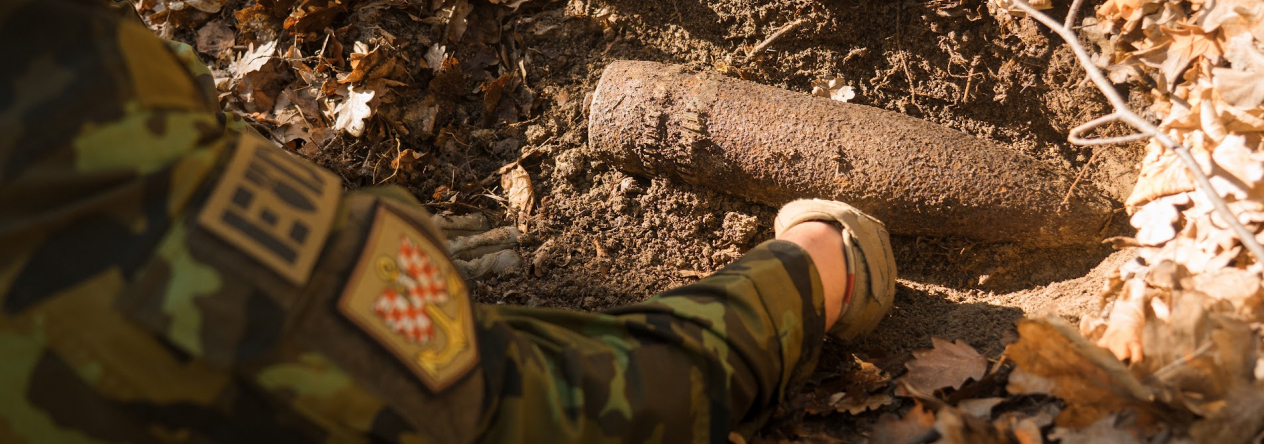
Explosive ordnance clearance highlights the difference between military expertise and a layperson’s perception of risk. To an untrained observer, an old metal object may look like harmless scrap. To an EOD specialist, it remains a potential threat until it has been professionally assessed. Old ordnance may be damaged, corroded or incomplete and still remain dangerous. It must never be tested, taken home, photographed at close range or moved.
For the armed forces, clearing military areas serves several purposes. First, it protects soldiers during future training. Second, it reduces the risk to civilians in areas that may be opened to the public or lie close to land used by local communities. Third, it helps responsibly close chapters associated with the landscape’s former military use. In this sense, explosive ordnance clearance is a public service, even though it takes place quietly and without ceremony.
Explosive Ordnance Reconnaissance (EOR) specialists can also support these tasks. Their role is primarily to recognise, mark and report a suspicious find. The professional assessment of the item and the decision on how it should be handled remain the responsibility of an EOD specialist. This division of labour makes it possible to search larger areas efficiently while maintaining the required safety standards. It is a team effort: personnel search the ground, mark finds, conduct specialist assessments and provide logistics, communications and security.
At first glance, clearing military areas may appear less dramatic than an overseas operation. In reality, it demands exceptional patience, discipline and concentration. A soldier may spend hours working with a detector, repeatedly checking signals and moving through difficult terrain, without ever becoming complacent. Every find must be treated seriously. The repetitive nature of the work can itself be dangerous if it leads to an underestimation of the risk.
The preventive message for the public is straightforward. Anyone who finds an object resembling ammunition or ordnance must not touch it, move it or attempt to identify it. They should move away, prevent others from approaching and report the find to the appropriate authorities. Detailed procedures and technical decisions belong to professionals.
For those considering a career in EOD, clearance work provides an important picture of the profession’s reality. EOD is not limited to overseas operations or dramatic interventions. It also means long-term, precise and responsible service at home. It requires people who understand that quiet work can carry great significance. EOD is not only the decisive moment beside a threat; it is daily work that protects people, military units and the landscape.
Author: Major Richard Maňásek